
 State law enforcement leaders said they are confident they will have enough money to cover the substantial security costs related to FIFA World Cup activities in New Jersey later this year, including their plans to address possible human trafficking during the events.
Attorney General Jennifer Davenport told the Assembly Budget Committee on Wednesday the state has been planning to make sure both visitors to New Jersey and the state’s residents are protected.
“It will be a test of our law enforcement capacities, particularly our ability to stop human trafficking,” Davenport said as the committee considered the Department of Law and Public Safety’s proposed 2027 fiscal year budget.
Some legislators asked about the costs associated with the matches and whether state taxpayers would have to foot the bill. Jeanne Hengemuhle, acting New Jersey State Police superintendent, said the state is getting $26 million in federal funding to cover manpower and equipment for State Police and 11 local, county and agency partners.

“We’re very confident in the money that we will be receiving, that it will cover the overtime costs and the cost of this project,” she said.
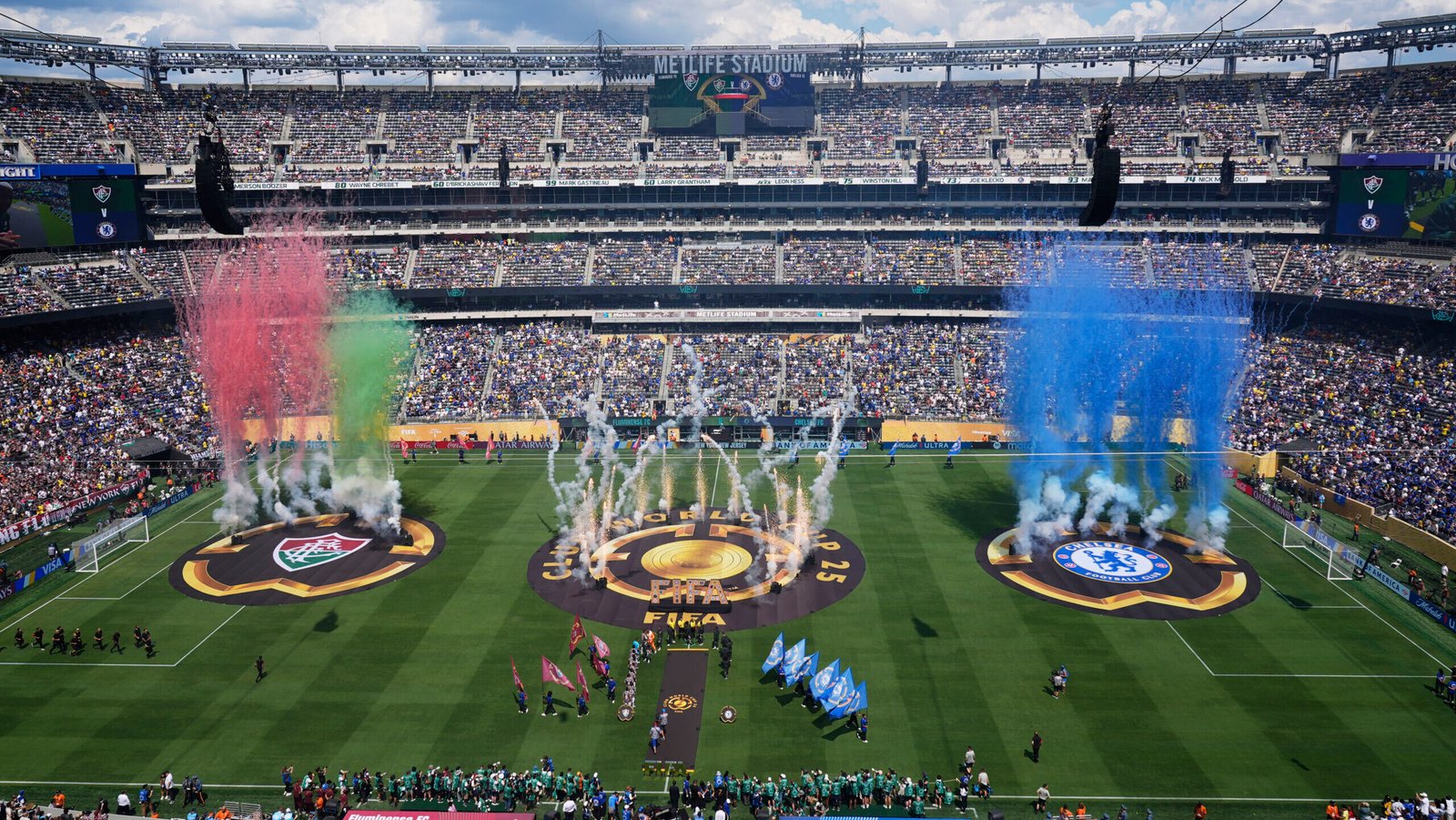
Hengemuhle said troopers have known since 2023 that nearly all would need to be available to work between June 1 and July 23. MetLife Stadium, which seats as many as 82,500, will host the first of eight soccer matches on June 13, but police will be on alert beginning next month as teams start arriving. The World Cup final is scheduled for July 19.
New Jersey law enforcement will be responsible for security for 10 teams, four of which – Brazil, Haiti, Senegal and Morocco – will be staying in the state. There are another dozen non-competition sites, such as base camps, training sites and hotels, that will be staffed by troopers and partner agencies. Hengemuhle said 600 troopers will be covering the stadium daily and 1,000 on game days and more can be brought in “if a threat or actionable intelligence comes in.” State Police will also serve as escorts or FIFA VIPs and other dignitaries as needed.
Hengemuhle said law enforcement recognizes the need to continue protecting people during the state “and we will not stop patrolling the rest of New Jersey.”
Davenport said that State Police and the Office of Homeland Security and Preparedness have developed “a security plan designed to tackle any additional contingencies” including those around human trafficking.
The National Human Trafficking Hotline identified about 12,000 cases of sex or labor trafficking or both in the United States in 2024 involving 21,865 victims. There were 269 cases in New Jersey with 354 victims. While research has shown large sporting events do not necessarily bring increased sex trafficking, anti-trafficking advocates have used the Super Bowl to raise awareness of the crime. New Jersey law enforcement plans to do the same.
Davenport said her office would be launching a public awareness and victim outreach campaign during the World Cup. The State Police human trafficking unit conducted more than 50 training and information events last year and are continuing those this year.
“We have a trauma-informed and victim-centered approach when it comes to human trafficking, but also understanding the science,” she said. “Part of our training that we’re doing with respect to what’s coming up soon is also putting together enforcement operations and training as to what to look for.”
Municipalities and county prosecutors’ offices will have dedicated detectives and prosecutors as part of the trafficking effort, as well, Davenport added.
In February, the acting head of U.S. Immigration and Customs Enforcement (ICE) responded to a question from U.S. Rep. Nellie Pou (D-9th) and said that ICE would be “a key part of the overall security apparatus for the World Cup.”
Assemblywoman Ellen Park (D-Bergen), the vice-chair of the budget committee, raised concerns about federal immigration officers potentially detaining non-criminal immigrants during the games.
New Jersey can not prevent federal immigration officers from conducting operations during the tournament, Davenport said. But the recent laws signed by Gov. Mikie Sherrill will dictate how those operations can occur and when New Jersey police get involved.
“From the perspective of our local law enforcement, our state law enforcement, our county law enforcement, and the relationships we have, we are going to make sure that people feel safe and know where to go if they have any questions or concerns about unconstitutional practices,” Davenport told the budget committee.
Pou, Rep. LaMonica McIver (D-10th) and two other House Democrats have introduced legislation to block immigration enforcement raids within a mile of matches and fan events this year, but the measure is unlikely to even get a hearing.
This story is made possible in part by the Corporation for Public Broadcasting, a private corporation funded by the American people.



