
San Diego’s hotels are more than just buildings people visit – they are powered by the people who support them. Housekeepers, front desk agents, engineers, cooks, servers, laundry attendants, security officers, supervisors, and many others show up every day to welcome the world to America’s Finest City. These workers are the backbone of San Diego’s tourism economy and a critical part of our broader local workforce.
In 2020, that workforce was devastated by a pandemic that shut down the travel industry.
While travel eventually rebounded, staffing lagged behind and remained a persistent challenge.
Today, that same workforce is once again being unnecessarily challenged.
Recent immigration enforcement actions and the narrowing of lawful work pathways are creating real and immediate disruptions across San Diego’s hospitality sector – and in workers’ lives. Hotels and restaurants are already seeing increased no-shows, sudden staffing gaps, and growing fear among employees who are trying to do the right thing by going to work, supporting their families, and contributing to our local economy.
In what seems to be a recurring theme, policy decisions made outside of San Diego are threatening to create an operational crisis with real economic consequences.
On Feb. 3, Temporary Protected Status (TPS) for Haitian nationals is set to abruptly expire.
TPS is a U.S. humanitarian immigration program that allows eligible nationals of designated countries to live and work legally in the United States due to unsafe conditions in their countries of origin, including armed conflict and environmental disasters that make return impossible. As of 2026, no fewer than 17 countries are designated for TPS.
San Diego is home to many immigrants with this lawful status. Despite the name, TPS holders are not “temporary” in the way the label suggests. Many have lived in San Diego for a decade or more. They have put down roots – raising families, purchasing homes, and building long-term careers in hospitality. In short, they have become San Diegans.
Absent action by the administration or a stay of the order, these individuals will lose their work authorization on February 3, leaving them unable to work and unable to contribute to the community they now call home.
The loss or disruption of these lawful work pathways does not just hurt workers – it hurts San Diego and diminishes how the world experiences San Diego.
I understand that immigration policy is complex and often controversial. But the economic facts are clear. Demand for hospitality workers remains strong, and a stable, authorized workforce is essential to keeping our hotels operating, our tourism economy competitive, and our city financially strong.
San Diego’s hospitality workers are not interchangeable parts. They are trained professionals, long-time employees, neighbors, and community members who power one of the region’s most important economic engines. Protecting lawful work pathways and workforce stability is not an act of charity – it is an economic and humanitarian imperative.
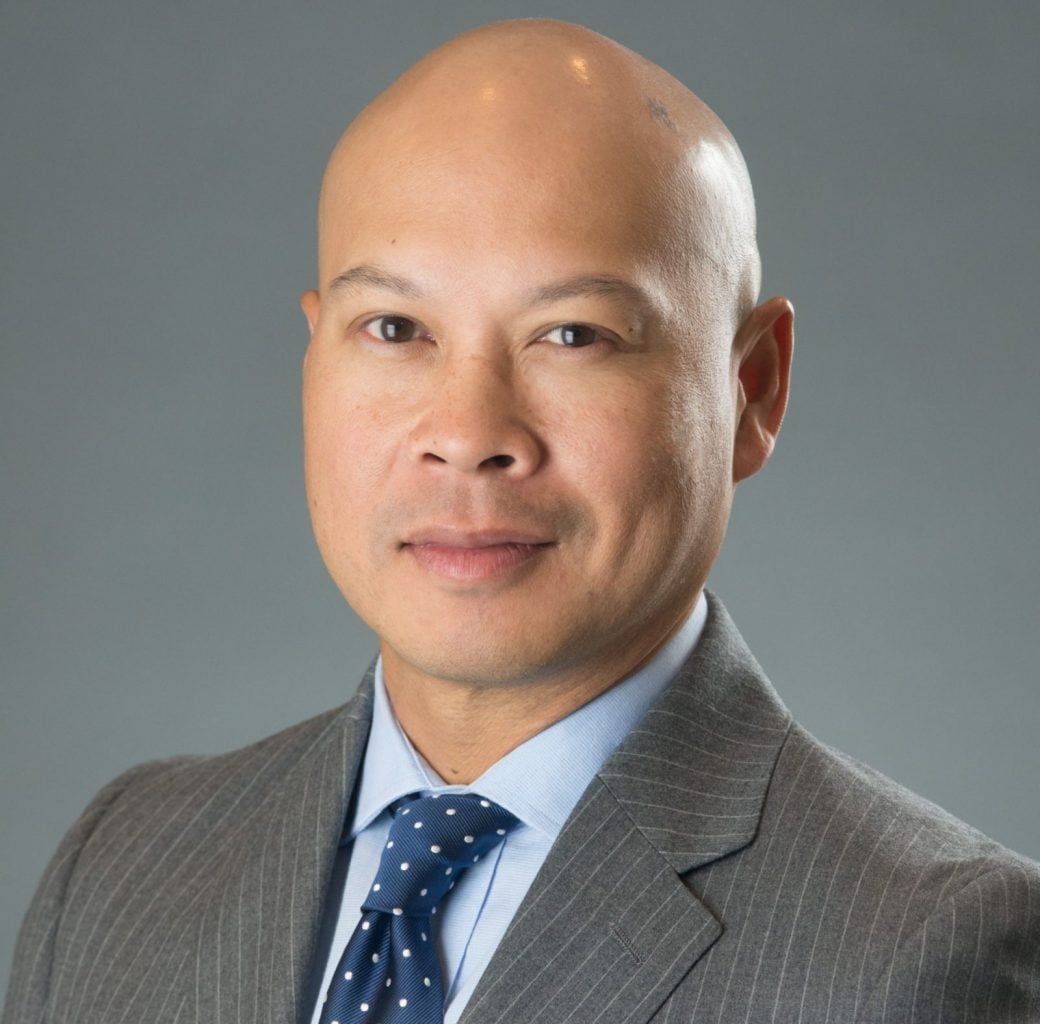
Fred Tayco is Executive Director of the San Diego County Lodging Association.



