
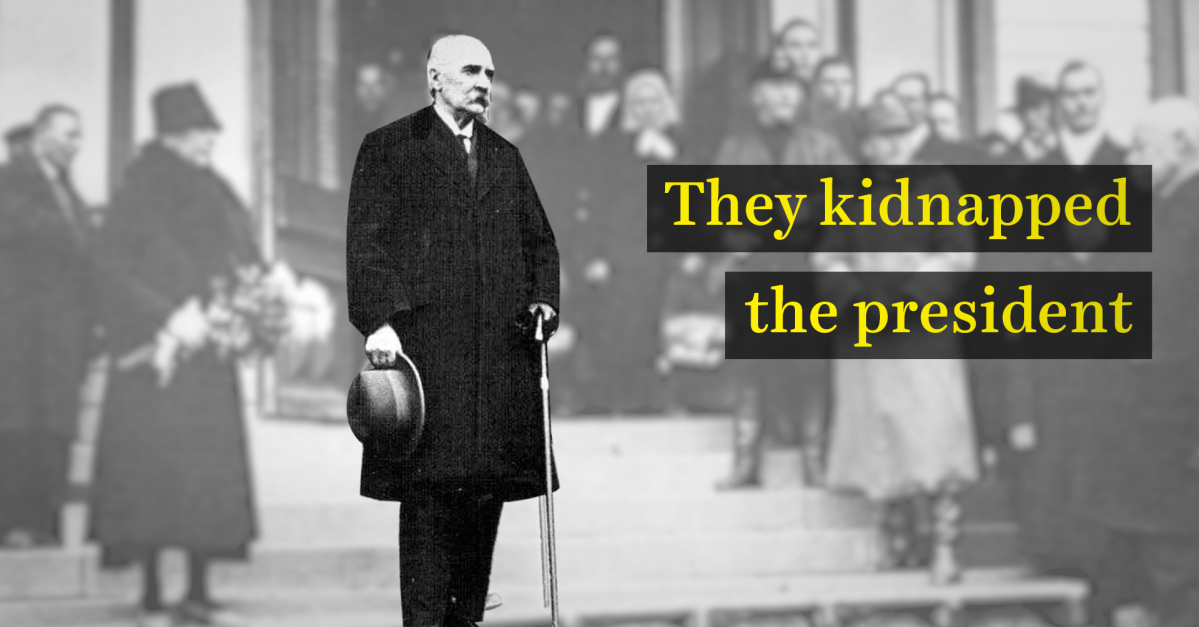
In the 1930s, a radical conservative faction almost pushed Finland into full authoritarianism. Called the Lapua movement, it was a far-right group of Finns who sought to overthrow the republic, marginalize communists, and install an authoritarian government. They managed to disrupt Finland’s political order through threats of violence and symbolic kidnappings, in which they would capture political rivals and drive them to the Soviet border.
They earned the support of center-right and moderate politicians who believed they could harness the passion and support of this radical nationalist group. The movement also included prominent businessmen, newspaper owners, and key members of the military.
But then…something happened. Almost overnight, the Lapua movement collapsed. Within three years of its founding, this far-right faction was banned from Finnish politics, and democracy in the Nordic country has been stable ever since.
Vox producer Nate Krieger investigated the rise and fall of the Lapua movement to find out exactly how Finland managed to stave off this anti-democratic threat — and what modern democracies can learn from this perilous moment in history. By tracing how Finland successfully reversed course, we explore what actually works to halt fascist movements and restore democracy: early and collective action.
Sources and further reading:
This story was supported by a grant from Protect Democracy. Vox had full discretion over the content of this reporting.



