Even as both the Senate and Assembly passed dozens of bills during their last voting sessions, numerous significant bills did not quite make it to the governor’s desk. It will be up to legislators to reintroduce these, if they wish, and start the process over in the new session beginning at noon Tuesday.
Some of the bills that fell short include:
A measure (S-3545) at one time known as the Climate Superfund Act sought to require certain companies make payments based on the amount of greenhouse gas emissions for which the entities are responsible. The total amount of the payments would be $50 billion, with funds used to finance climate change adaptation projects. The bill, which faced significant opposition from business groups, cleared a Senate committee last week but wasn’t scheduled for a vote by either house.
An attempt to codify in state law the International Holocaust Remembrance Alliance definition of antisemitism (A-3558/S-1292) had cleared committees in both houses, but was not scheduled for final votes. It had faced opposition from a broad coalition of multifaith, union and civil rights organizations known as the NJ Coalition for Free Speech.
An effort (S-4792) to reverse a last-minute budget diversion made last summer and restore $45 million to the Opioid Recovery and Remediation Fund did not clear enough hurdles for final passage. Harm-reduction advocates had pushed for the bill’s passage and it was poised for Senate passage, but it had not gotten a hearing in the Assembly.
Called the John R. Lewis Voter Empowerment Act, a bill (A-4083) sought to strengthen voting rights protections in the state. It passed Assembly committees but had not moved in the Senate.
A bill (S4909/A6272) that sought to increase the fee for filing a property tax assessment appeal had cleared a Senate committee, but it had not moved in the Assembly. In New Jersey, it currently costs as little as $5 to file an appeal of property assessments that play a key role in determining how much homeowners pay each year in property taxes. The legislation would have increased that filing fee by as much as $50 per appeal.
Subjecting the state budget to “stress testing” on the state’s ability to provide services in various economic conditions was the goal of S-1411/A-1416. According to public-finance experts, stress-testing analyses have been used successfully in many other states to manage fiscal challenges, including during the COVID-19 pandemic, when many states, including New Jersey suffered severe revenue loss. In New Jersey, where regular stress testing is not required, policymakers initially responded to the revenue losses triggered by the pandemic with a series of deep spending cuts, hitting things like direct property-tax relief for seniors and disabled homeowners. The bill had passed the Senate but had not moved in the Assembly.
A bill (A-6206) had sought to revise parole rules to make it easier for some incarcerated people to qualify for parole and to let them earn credits for good behavior to exit parole more quickly. The measure, which faced significant support from law enforcement officers, had cleared an Assembly committee last week but had not moved the Senate.
— Bobby Brier contributed reporting for this story.
This story is made possible in part by the Corporation for Public Broadcasting, a private corporation funded by the American people.
We’re in this together. For a better-informed future.
At Srivax, we believe in delivering fast, accurate, and relevant news to empower, inform, and engage our readers across the globe. We are an independent digital news platform built for the modern world — where information moves fast, and truth matters.

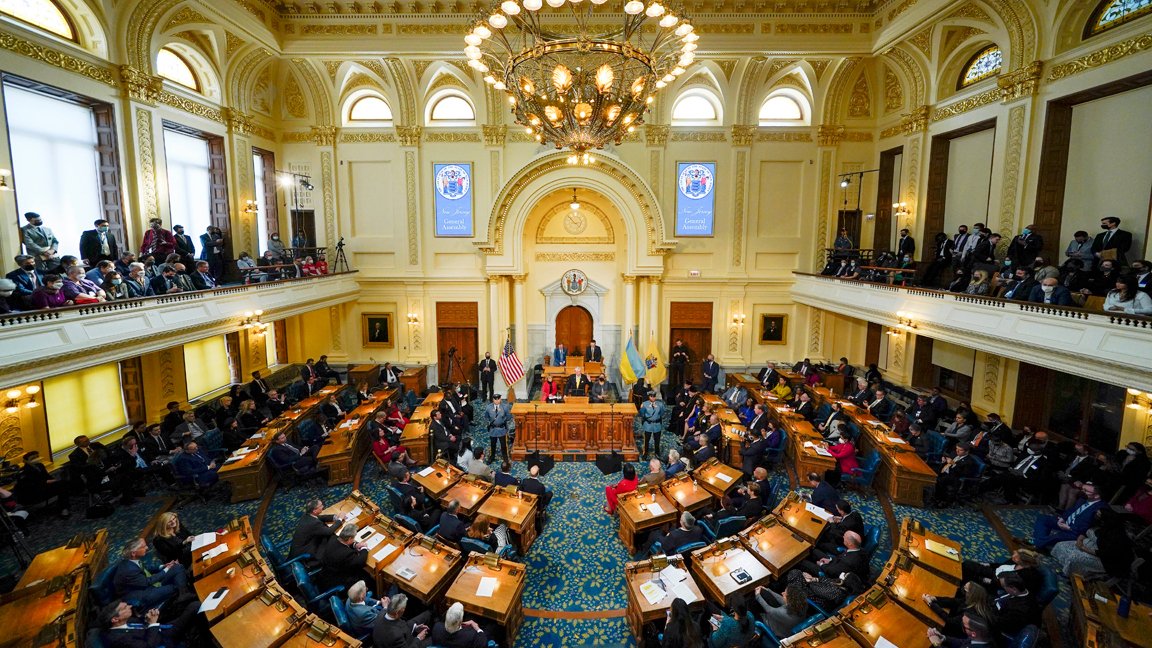

 Even as both the Senate and Assembly passed dozens of bills during their last voting sessions, numerous significant bills did not quite make it to the governor’s desk. It will be up to legislators to reintroduce these, if they wish, and start the process over in the new session beginning at noon Tuesday.