It’s hard enough to be a kid in the child welfare system with nowhere to call home. Some, though, recently have faced an even tougher challenge: having no residential placement at all.
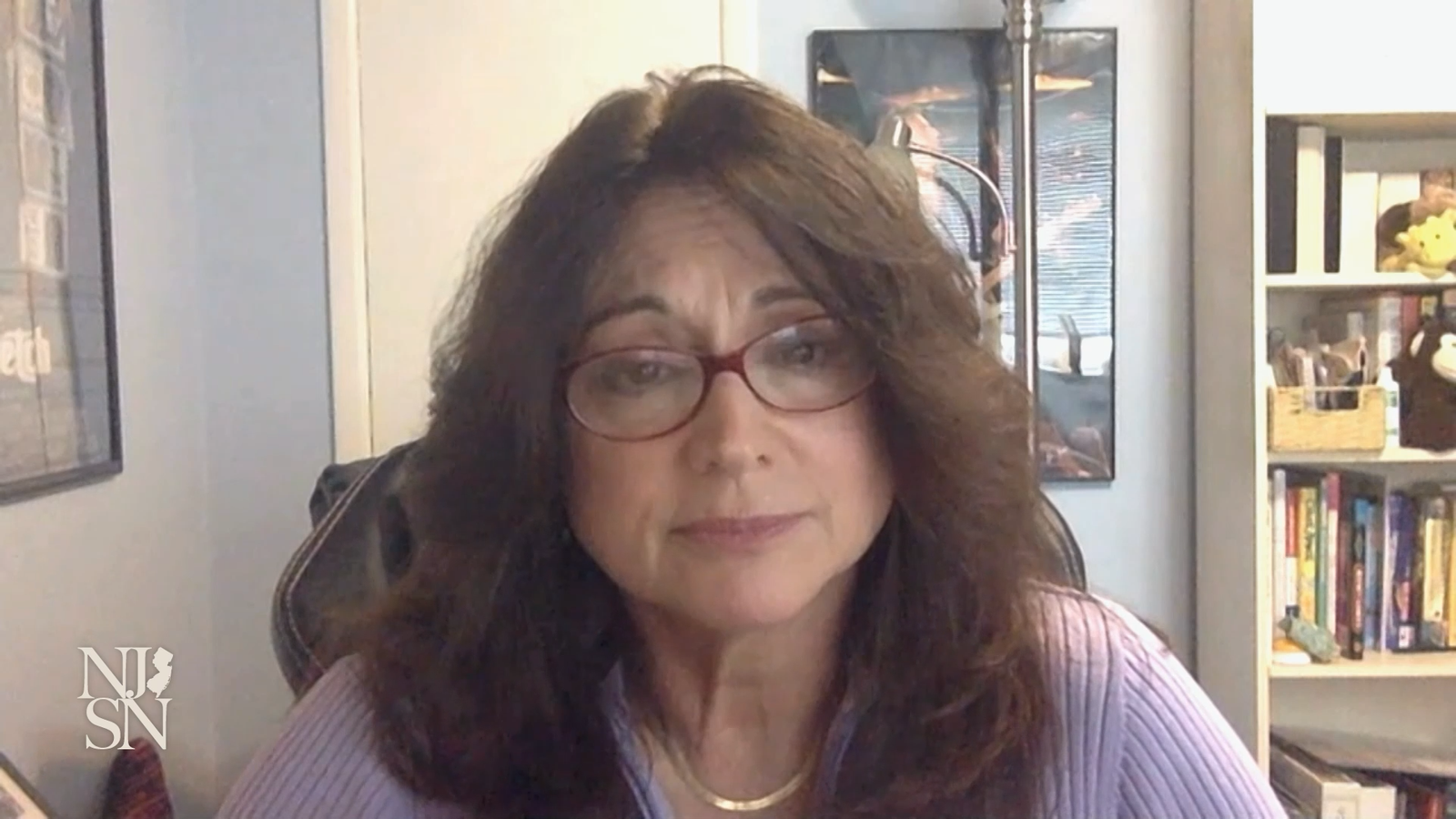
Susan K. Livio, an investigative reporter for NJ Advance Media, broke the story and sat down with NJ Spotlight News. This interview has been lightly edited.
Joanna Gagis, anchor: What can you tell us about what is happening within the foster care system, where there is this shortage?
Sue Livio: What I’ve been hearing for the last couple months is that the Division of Child Protection and Permanency has had a hard time placing kids with severe behavioral issues, some with autism — mostly teenagers, but some younger. They have had to resort to motels and even using air mattresses in state offices to house some of these kids.
‘Crisis level’
JG: You said it reached “crisis level” when a youth who was staying in an office ended up attacking two employees in Camden. What can you tell us?
SL: That happened a couple of weeks ago. A security adviser and a casework supervisor were injured by a teenage girl who, according to CWA, the union involved, had stayed and had slept in this office before. She had a breakdown or a meltdown, and both workers needed some medical attention. They didn’t need to go to the hospital, but they were injured, and certainly everybody in the office was really shaken up.
About a dozen years ago there was a near-fatal stabbing in the Camden office, where this was, by a parent who attacked a caseworker. So there were some people who were still around from that time. It was very emotional.
JG: There’s been, over 20 years, court-ordered changes to the way that the system is played out. Why, right now, is there this shortage of the ability to place kids, and placing them, we know, in groups is no longer the recommended approach? What needs to happen, what is going on and what needs to change?
SL: New Jersey’s child welfare system, from 2003 to 2023, was under court supervision for being one of the worst child welfare systems in America for a lot of different reasons. The state, various governors and Legislatures pumped billions of dollars into the system.
One of the things it did was recruit a lot more foster homes and stop using group settings, or at least cut back on them dramatically. Because they knew that this was not great for kids — to live in a place where people come in on shifts, and not having real ties to a family. So there was a philosophy that has continued to this day that the best foster home is one in which your relatives are providing that safe space, or if not them, a stranger foster home who’s trained. The issue has always been: It’s tough to place teenagers, kids with behavioral problems. But the union tells me — and some foster parents have told me — that there has not been a lot of focus on recruiting more foster homes for this tough population.
And in all fairness, this is not unique to New Jersey. The state points out that this is an issue in most states, but here, we have an assault. Here we have kids sleeping in offices, in motels. It’s expensive and not very safe.
Return to group setting?
JG: A representative from the Department of Children and Families did deny that that Camden teen was staying at that office. What do they offer as a solution?

SL: Well, they said that they have been aware of this for a while. They created a task force of national state leaders late last year to take a look at this, to see what the solutions might be. So we know they’re paying attention to it.
But you talk to the union and foster parents, and they say there has to be more involvement from the children’s mental health system, more places willing to accept kids with behavioral deficits and educational delays who could be tough to be placed in a foster home. There should be an expanded view of what it means. One caseworker told me, some of these kids are so traumatized that they’re just not going to make it in a family and that a group setting would actually help some of them, so there should be a variety.
We’ll wait to hear what the commissioner says after the task force has taken a look, but I think you’re going to see a push for more money spent on mental health placements for these kids.