
The Ultimate Guide to Activating GLP-1 Naturally: A Complete Strategy for Metabolic Health, Appetite Control, and Sustainable Weight Management
Meta Title: Ultimate Guide to Boosting GLP-1 Naturally
Meta Description: Discover how to increase GLP-1 naturally with diet, exercise, gut health, and lifestyle changes. A complete science-based guide to appetite control and metabolic health.
Introduction
In recent years, the hormone GLP-1 (glucagon-like peptide-1) has become a central topic in discussions about weight loss, diabetes management, and metabolic health. Much of the attention comes from medications designed to mimic this hormone, which have shown powerful effects on appetite control and blood sugar regulation.
However, GLP-1 is not just something that exists in prescription medications. It is a natural hormone produced by the body, primarily in the small intestine after eating. This hormone plays a crucial role in regulating how the body processes food, manages hunger, and maintains healthy blood glucose levels.
Understanding how to stimulate GLP-1 naturally can help individuals improve metabolic health without relying entirely on medication. By making specific dietary and lifestyle choices, it is possible to enhance the body’s natural GLP-1 response and support long-term wellness.
This comprehensive guide explains the science behind GLP-1 and provides practical, evidence-based strategies to increase it naturally.
What Is GLP-1?
GLP-1 is a hormone released by specialized cells in the intestine when food enters the digestive system. It belongs to a group of hormones called incretins, which help regulate insulin production after meals.
When GLP-1 is released, it triggers several physiological responses that help control metabolism.
These include:
Stimulating insulin secretion from the pancreas
Reducing glucagon production, which lowers blood sugar levels
Slowing stomach emptying to prolong satiety
Sending signals to the brain that reduce appetite
Because GLP-1 influences both blood sugar control and hunger signals, it plays a key role in maintaining metabolic balance.
Why GLP-1 Matters for Health
GLP-1 is important for several aspects of human health.
Blood Sugar Regulation
GLP-1 helps the body release insulin when blood sugar rises after a meal. This prevents excessive glucose from remaining in the bloodstream.
For individuals with metabolic disorders, this function is especially important because impaired insulin response can lead to elevated blood sugar levels.
Appetite Control
Another major function of GLP-1 is appetite regulation. The hormone interacts with brain centers that control hunger and fullness.
When GLP-1 levels increase after eating, the brain receives signals that the body has consumed enough food. This helps prevent overeating and supports weight management.
Slower Digestion
GLP-1 slows the rate at which food leaves the stomach. This slower digestion contributes to prolonged satiety and steadier blood sugar levels.
Rapid digestion, especially of refined carbohydrates, can cause sharp spikes and crashes in blood sugar. GLP-1 helps moderate this process.
Weight Management
Because GLP-1 reduces appetite and improves metabolic efficiency, higher levels of this hormone are associated with better weight control.
This is one reason GLP-1-based medications have gained popularity for treating obesity.
However, lifestyle strategies can also stimulate the body’s natural GLP-1 production.
The Science Behind Natural GLP-1 Activation
The body produces GLP-1 in response to nutrients entering the digestive system, especially protein, fats, and fiber.
Certain lifestyle factors also influence GLP-1 production, including:
Physical activity
Gut microbiome health
Sleep quality
Stress levels
Eating patterns
Optimizing these factors can enhance the body’s natural hormone response and improve metabolic health.
Foods That Naturally Increase GLP-1
Diet is one of the most powerful ways to stimulate GLP-1 production.
Certain foods trigger stronger hormone responses than others.
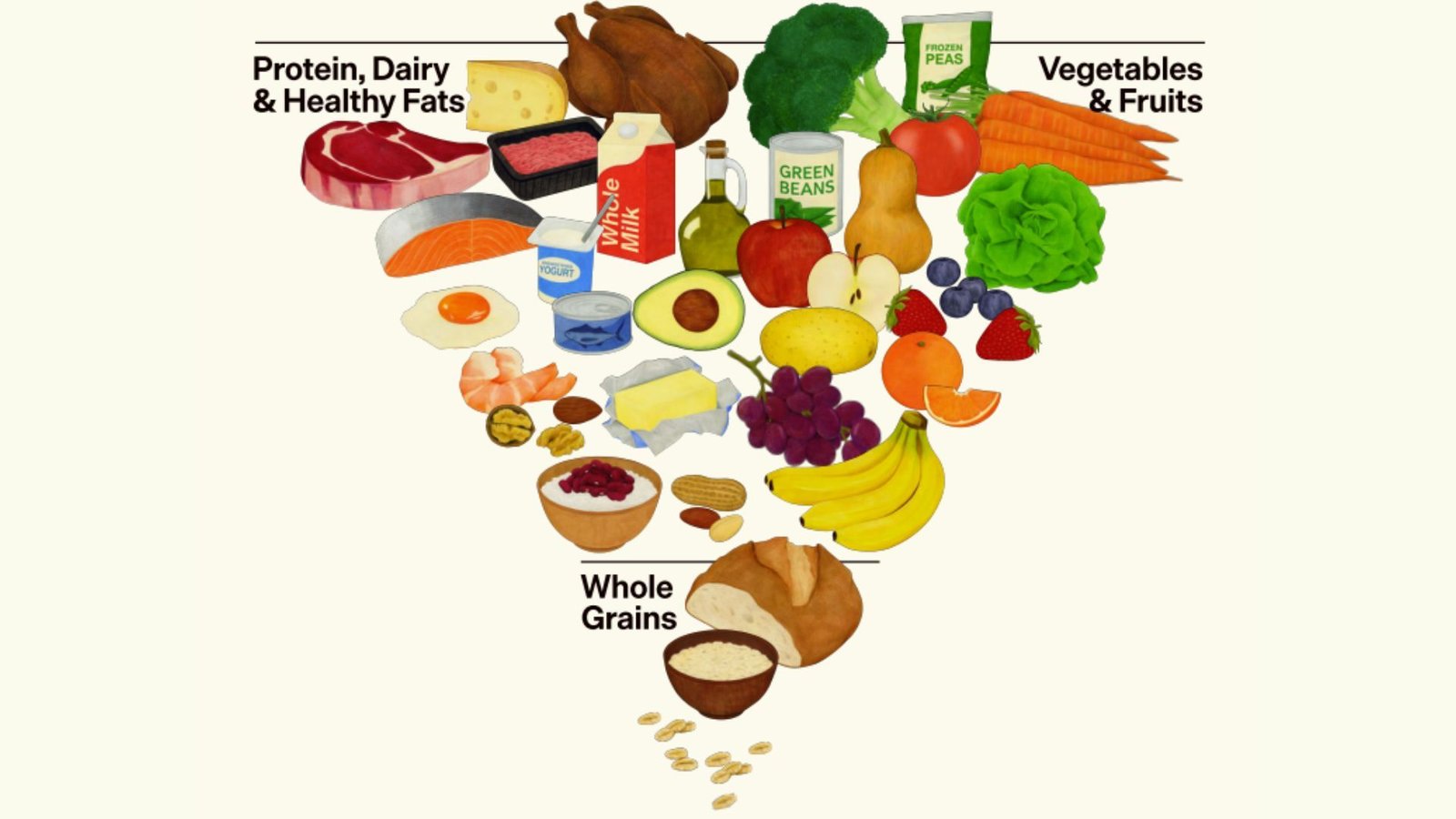
High-Protein Foods
Protein is one of the strongest stimulators of GLP-1 secretion.
When protein is digested, it triggers hormonal responses that promote satiety and stabilize blood sugar.
High-protein foods include:
Eggs
Fish and seafood
Chicken and turkey
Lean beef
Greek yogurt
Cottage cheese
Lentils and beans
Tofu and soy products
Protein also has a high thermic effect, meaning the body uses more energy to digest it compared with carbohydrates or fats.
Including protein in each meal can help support steady GLP-1 production throughout the day.
Healthy Fats
Healthy fats can stimulate GLP-1 release and prolong feelings of fullness.
Unlike refined carbohydrates, fats slow digestion and prevent rapid spikes in blood sugar.
Healthy fat sources include:
Olive oil
Avocados
Almonds and walnuts
Chia seeds
Flaxseeds
Fatty fish such as salmon, sardines, and mackerel
These fats are also beneficial for heart health and inflammation reduction.
Fiber-Rich Foods
Fiber is another powerful nutrient that supports GLP-1 production.
When fiber reaches the large intestine, gut bacteria ferment it to produce compounds known as short-chain fatty acids.
These compounds stimulate GLP-1 secretion and improve metabolic signaling.
High-fiber foods include:
Oats
Barley
Beans
Lentils
Chickpeas
Sweet potatoes
Apples
Pears
Brussels sprouts
Broccoli
Increasing fiber intake gradually can support both gut health and hormone regulation.
Fermented Foods and Gut Health
The gut microbiome plays a significant role in metabolic health and hormone signaling.
Beneficial gut bacteria help regulate digestion, nutrient absorption, and hormone production.
Fermented foods support microbial diversity and may improve GLP-1 activity.
Examples include:
Yogurt
Kefir
Sauerkraut
Kimchi
Miso
Tempeh
Regularly consuming fermented foods can help maintain a healthy balance of gut bacteria.
Polyphenol-Rich Foods
Polyphenols are plant compounds with antioxidant properties.
They may support GLP-1 activity by improving gut health and reducing inflammation.
Foods rich in polyphenols include:
Dark chocolate
Green tea
Berries
Coffee
Red grapes
Pomegranates
Dark chocolate with high cocoa content is particularly rich in flavonoids that may support metabolic health.
Smart Eating Habits That Boost GLP-1
What you eat matters, but how you eat also influences hormone responses.
Eat Protein and Vegetables Before Carbohydrates
The sequence of foods during a meal can affect blood sugar levels and hormone responses.
Eating protein and fiber before carbohydrates slows glucose absorption and stimulates GLP-1 release.
A balanced meal sequence might look like:
Protein or healthy fats
Vegetables or fiber-rich foods
Carbohydrates
This strategy can help prevent rapid spikes in blood sugar.
Practice Slow and Mindful Eating
Eating slowly gives the digestive system time to release satiety hormones.
Mindful eating practices include:
Chewing food thoroughly
Taking smaller bites
Pausing between bites
Avoiding distractions during meals
These behaviors allow the body to respond naturally to fullness signals.

Maintain Consistent Meal Timing
Hormones that regulate metabolism follow a natural circadian rhythm.
Eating at consistent times each day may help synchronize the body’s hormonal responses.
Regular meal timing can also improve digestion and appetite control.
Exercise and GLP-1
Physical activity plays a major role in metabolic health.
Regular exercise can increase GLP-1 secretion and improve insulin sensitivity.
Both aerobic and resistance training have positive effects.
Examples of beneficial activities include:
Brisk walking
Cycling
Swimming
Strength training
High-intensity interval training
Exercise also improves muscle metabolism, which helps the body use glucose more efficiently.
Even moderate exercise performed consistently can support hormonal balance.
The Role of Sleep in GLP-1 Regulation
Sleep quality is closely connected to metabolic health.
Poor sleep disrupts several hormones involved in appetite regulation, including GLP-1.
Lack of sleep may lead to:
Increased hunger
Poor blood sugar control
Higher calorie intake
Reduced metabolic efficiency
Most adults require between seven and nine hours of sleep per night for optimal health.
Healthy sleep habits include maintaining a consistent bedtime and reducing exposure to bright screens before sleep.
Stress and Hormone Balance
Chronic stress can negatively affect hormone regulation.
High stress levels increase cortisol, which may interfere with metabolic processes and appetite control.
Long-term stress may contribute to overeating and weight gain.
Stress management techniques include:
Meditation
Deep breathing exercises
Yoga
Spending time in nature
Journaling
Managing stress can improve both mental health and metabolic function.
The Gut-Hormone Connection
The gut and brain communicate through a complex network called the gut-brain axis.
Signals from the digestive system influence hunger, mood, and metabolism.
The gut microbiome plays an important role in this communication.
A healthy microbiome supports GLP-1 signaling and improves digestive efficiency.
Strategies to support gut health include:
Eating a diverse range of plant foods
Consuming fermented foods
Increasing fiber intake
Reducing processed foods
Gut health improvements often lead to better metabolic regulation.
Natural GLP-1 vs Medication
Medications that mimic GLP-1 have demonstrated strong effects on appetite and weight management.
However, lifestyle approaches offer several important benefits.
Natural GLP-1 activation:
Improves overall metabolic health
Builds sustainable habits
Avoids medication side effects
Supports long-term wellness
Even individuals using GLP-1 medications benefit from healthy diet and lifestyle habits.
Sample Daily Routine to Support GLP-1
Morning
Eat a protein-rich breakfast such as eggs or yogurt
Include fiber-rich foods like oats or fruit
Midday
Choose balanced meals containing protein, vegetables, and healthy fats
Take a short walk after eating
Afternoon
Snack on nuts or fruit if needed
Stay hydrated
Evening
Eat a balanced dinner with lean protein and vegetables
Avoid heavy meals close to bedtime
Lifestyle habits
Exercise regularly
Practice mindful eating
Maintain consistent sleep schedules
Long-Term Benefits of Boosting GLP-1 Naturally
Enhancing natural GLP-1 production can provide multiple health benefits.
These include:
Improved blood sugar control
Reduced hunger and cravings
Better weight management
Increased energy levels
Improved digestive health
Over time, these improvements contribute to reduced risk of metabolic diseases.
Key Takeaways
The most effective strategies for boosting GLP-1 naturally include:
Eating more protein
Increasing fiber intake
Consuming healthy fats
Supporting gut health with fermented foods
Exercising regularly
Practicing mindful eating
Getting adequate sleep
Managing stress
Consistency is the most important factor in achieving long-term results.
Final Thoughts
GLP-1 is one of the body’s most powerful hormones for regulating appetite, digestion, and blood sugar.
While pharmaceutical treatments have brought attention to this hormone, the body already has natural mechanisms to produce it.
By focusing on nutrient-dense foods, balanced meals, regular exercise, quality sleep, and stress management, it is possible to enhance GLP-1 naturally and improve overall metabolic health.
The most effective approach is not a quick fix but a sustainable lifestyle that supports the body’s natural biological systems.
Over time, these small but consistent habits can lead to significant improvements in health, energy, and long-term well-being.
Article first published on Ohio-State University health/wellness
More on GLP-1 medications, when nothing works-Visit SrivaxRx



