
Chasing a half-Ironman PR? The data doesn’t lie: These Ironman 70.3 races around the globe are your best chances.
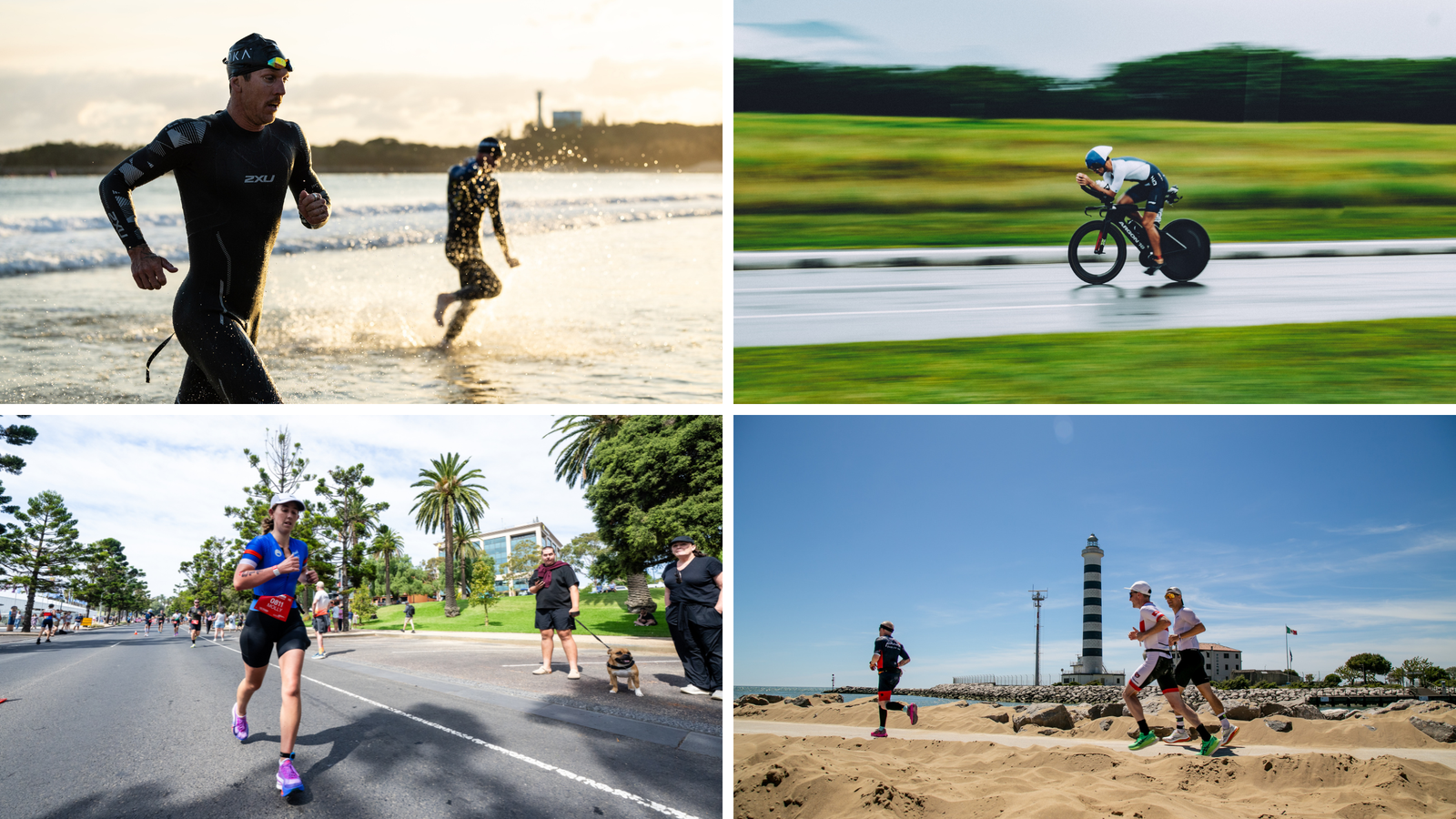
Using 10 years of data, we find the five consistently fast Ironman 70.3 races in the country, and offer insights into the fastest races by continent. (Photo: Clockwise from top left: Korupt Vision, Romulo Cruz, Elena Benassi, Alexander Polizzi)
Published June 15, 2026 05:13AM
Every year, there are over 100 Ironman 70.3 events to choose from, but where should you race to ensure a fast time? I’ve examined results from more than 1,000 Ironman 70.3 races over the last decade to find the events that most consistently deliver fast age-group times.
Finding the fastest age-group Ironman 70.3 races
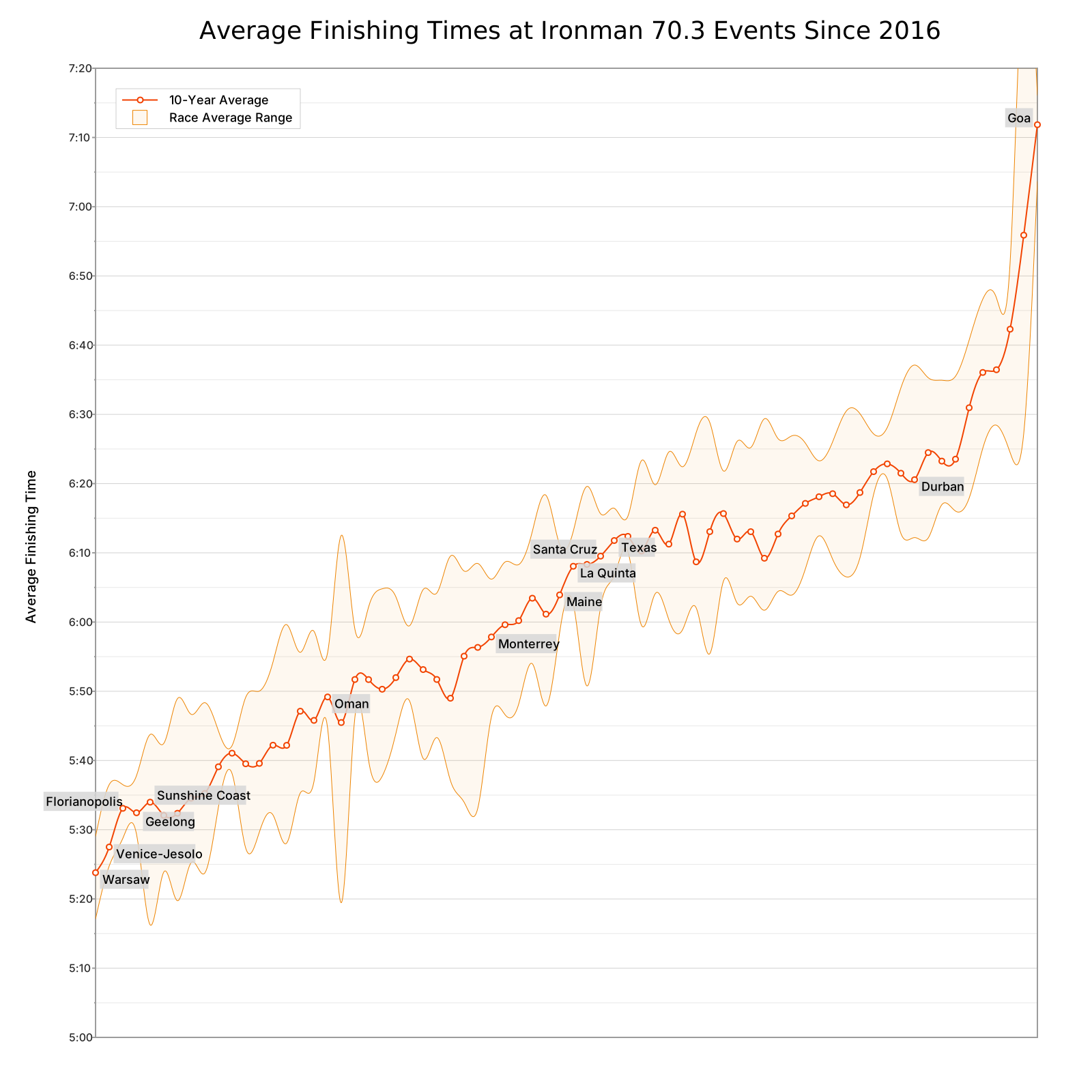
To find the fastest events, I’ve taken a similar approach to my recent article on the fastest Ironman races. For each event I’ve calculated the average finishing time over the last 10 years and also the fastest and slowest averages during that period.
Sometimes courses have to be shortened or canceled, and I’ve made sure to exclude any race where this has happened. As I’m looking for consistency, I’ve only considered events with at least four years of race results. The Ironman 70.3 World Championship is also excluded as it’s not open to general entry and the course regularly changes. (Not that it made the top five anyway.)
With so many races and a lot more variability on display than full-distance Ironman, I’ve taken a slightly different approach to ordering events. My ranking is based on weighting the averages with the slowest average race time being most important and the fastest being least. I want a race that’s going to give a fast time and the best way to be sure of that is to prioritize ranking the slowest years. There may be races that go faster on their best days, but there won’t be many that go faster on their worst.
There is subjectivity here, as adjusting the weightings would change the order of some of the events. It wouldn’t be anything significant, but it would be enough to change a few rankings by one or two places.
Let’s take a look at the five Ironman 70.3 races I think give you the best chance of a fast time.
Ironman 70.3 Warsaw
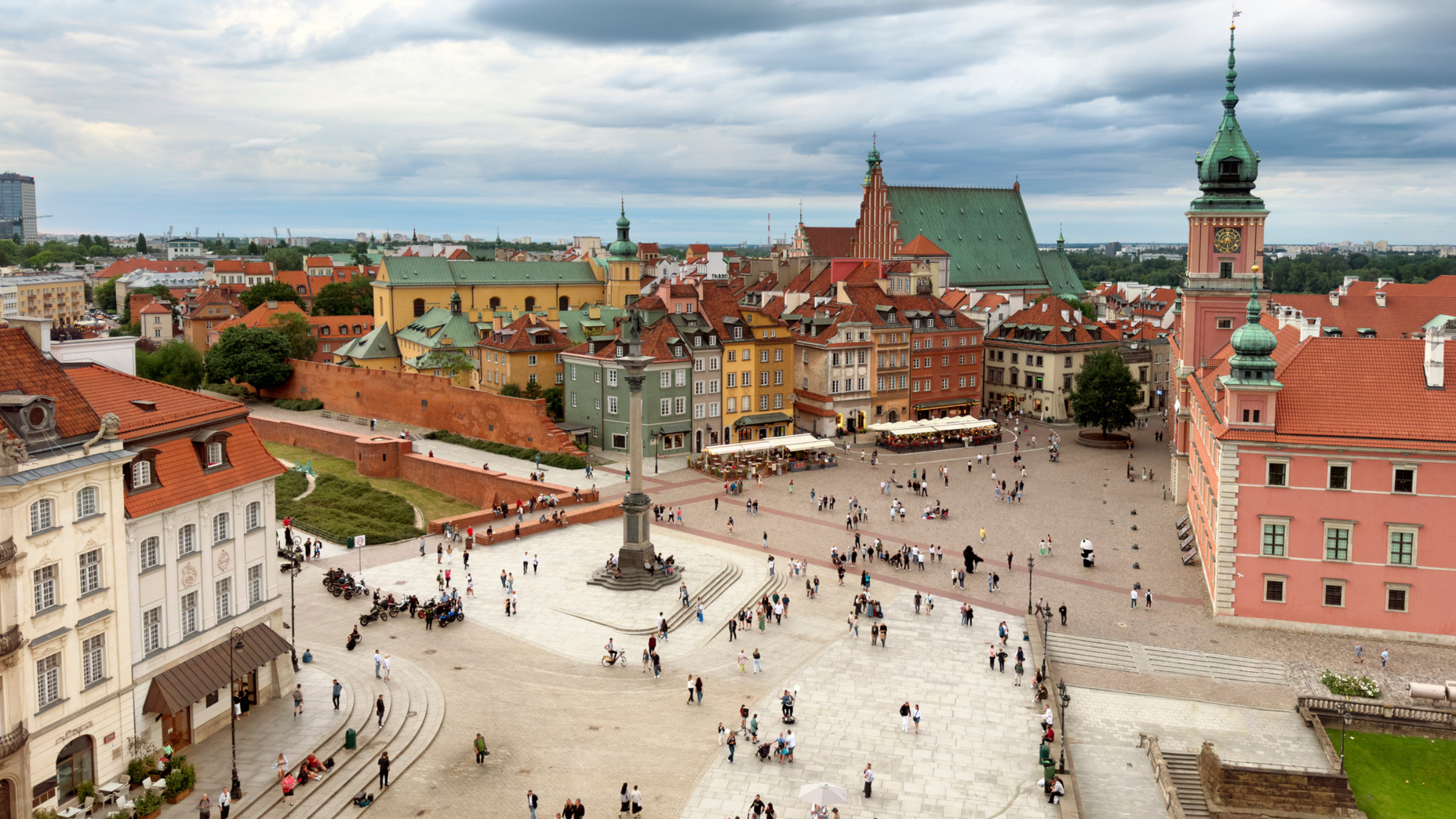
Warsaw is the clear leader for speed and consistency.
In its slowest year, its average time was still faster than the majority of race averages over the last decade. To achieve this, it had to have a flat course from start to finish – no hills in sight – and mild temperatures ideal for racing.
DNF rates at the event sit between 2-4% with minimal change between years.
Ironman 70.3 Venice-Jesolo
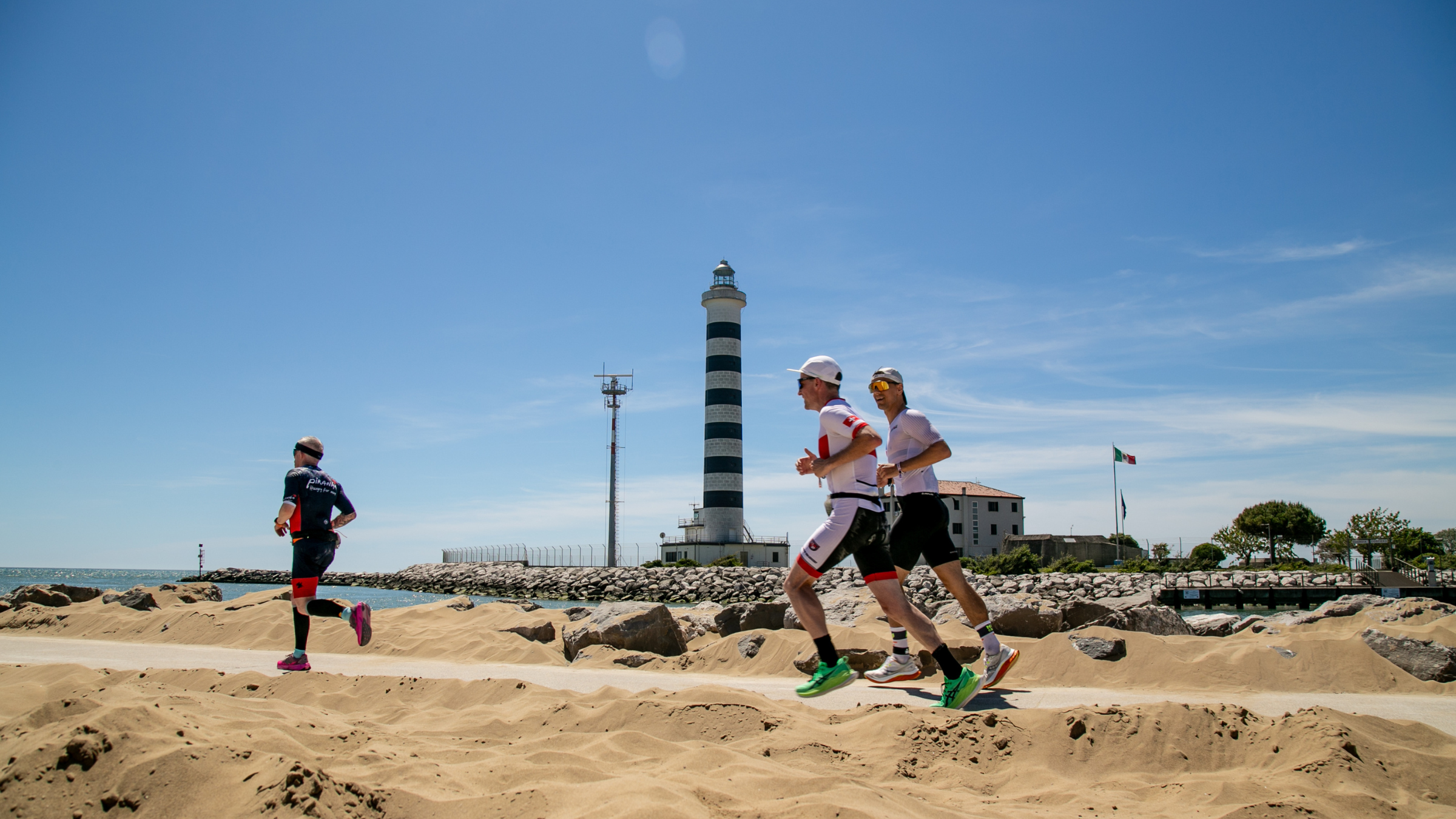
We remain in Europe for second place in Venice. Performances have varied more in Venice than in Warsaw, but on average, times are only a few minutes slower. Venice delivers a sheltered sea swim to begin with and then an incredibly flat bike and run. An April race date also means cool temperatures for racing.
When it comes to DNFs, 2022 stands out as a slightly slower year for the race with DNFs rising over 5% of starters. But this is an outlier for Venice.
Ironman 70.3 Florianopolis
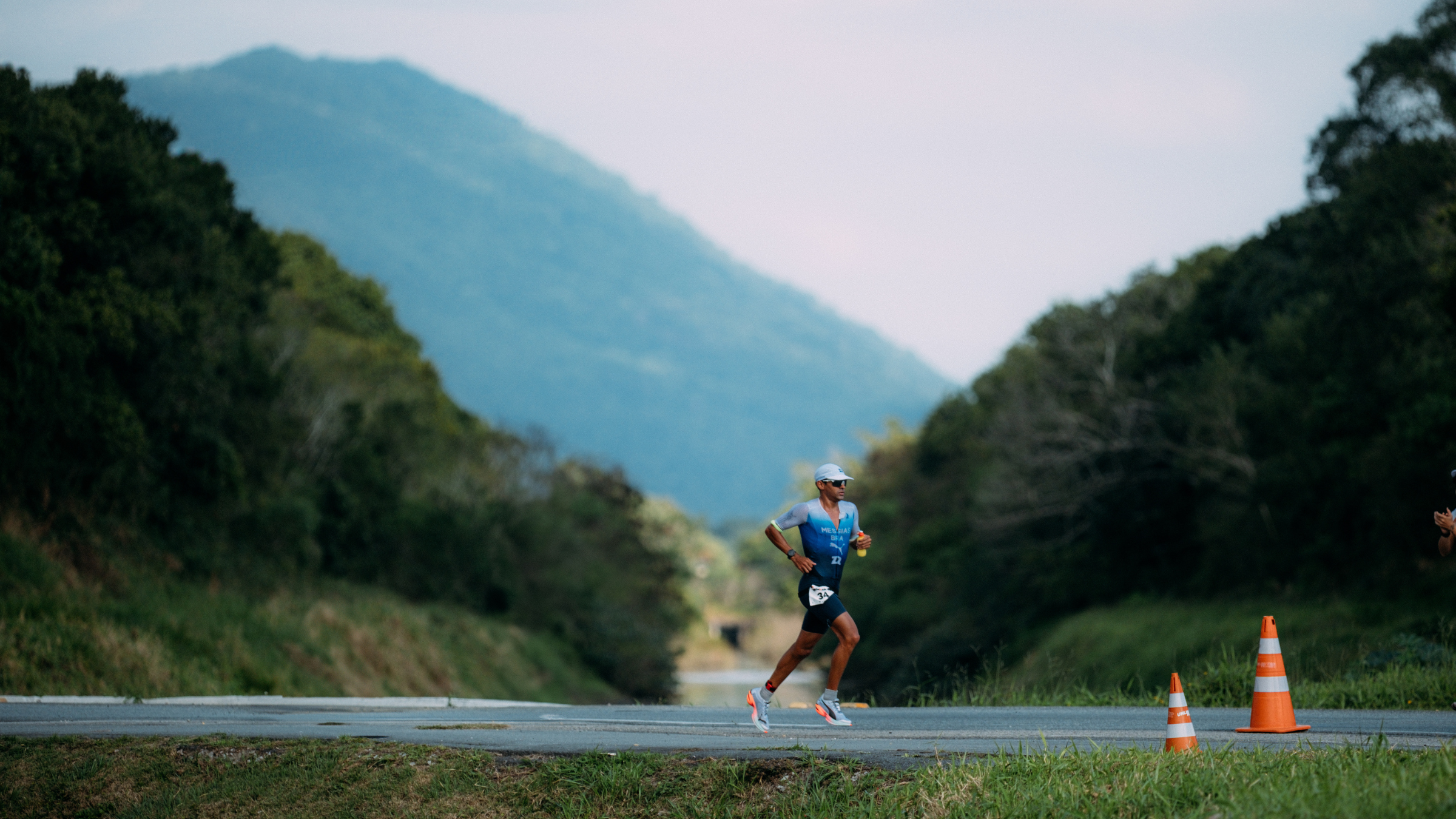
Next we move to South America. Florianopolis is the third fastest Ironman 70.3 course. At its slowest, it’s similar to Venice, but the average over the last decade runs about 5 minutes slower than second place. The course is described as rolling, but climbing is limited, allowing for fast times.
Coincidentally, Ironman Brazil, its full-distance counterpart, takes place at the same location and also ranked third in my ranking of fastest Ironman courses.
Ironman 70.3 Geelong
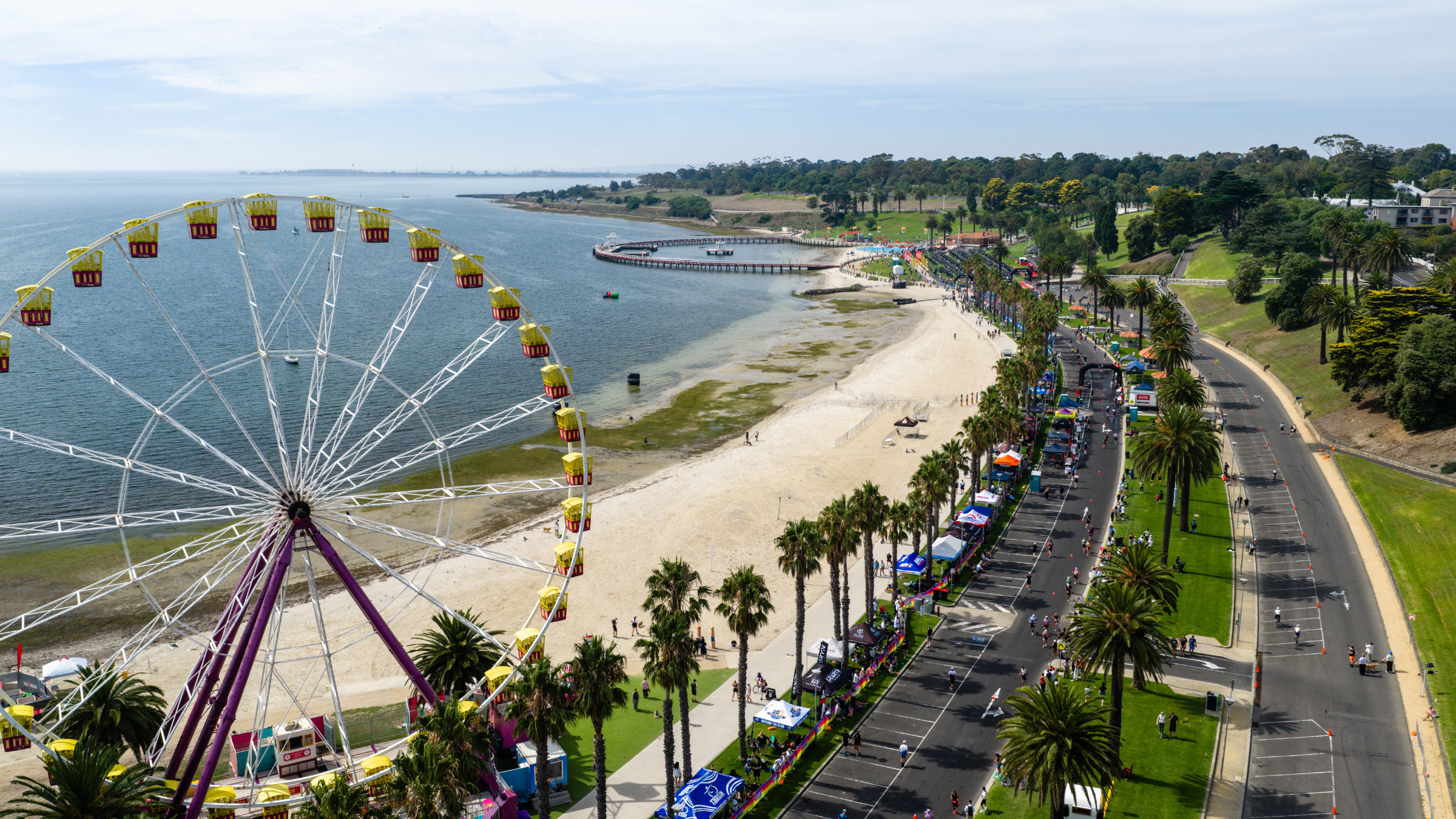
We continue around the globe for fourth place in Geelong, one of two Australian races making the top five. The 10-year average in Geelong is actually slightly faster than Florianopolis, but my weighting emphasizes the slowest race year, so Geelong comes in just behind. There’s not much to choose between these two in terms of speed.
The course is rolling, but climbs are minimal with plenty of flat roads between them. Conditions tend to be mild, a common feature for the fastest 70.3s.
Ironman 70.3 Sunshine Coast
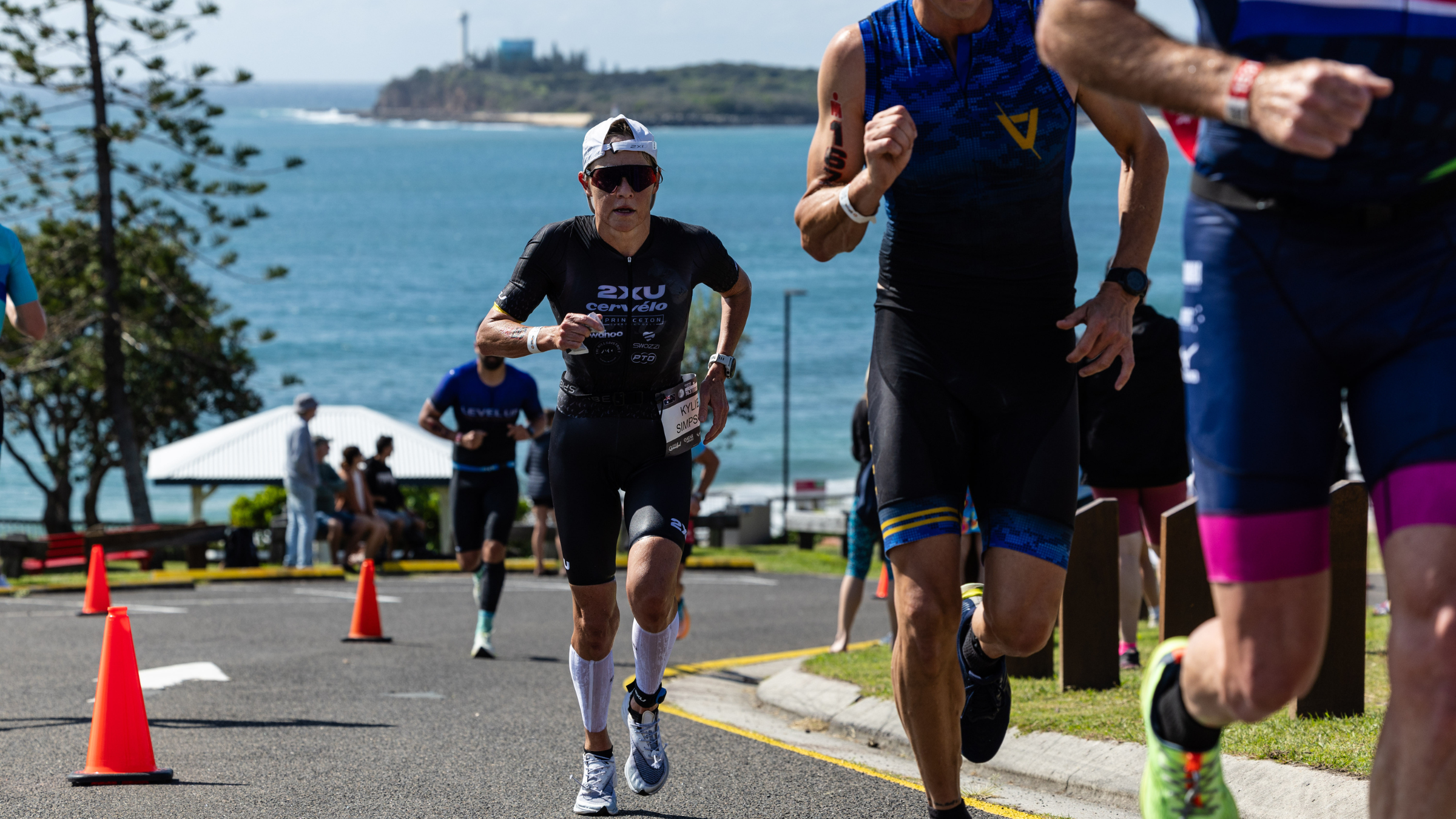
The final event to make the top five is the Ironman 70.3 Sunshine Coast. There’s little difference between the 10-year averages of third to fifth, but the Sunshine Coast’s slowest year pulls it down the rankings. This is despite its fastest year coming in ahead of Warsaw.
A partially sheltered sea swim starts the race. The swim is followed by a rolling bike with the most climbing of the top five. The finish is a flat run along the seafront. DNF rates sit higher than others in my top five; 4-6% don’t make it to the finish line.
Around the world
Unlike full-distance Ironman, Europe doesn’t dominate the fastest 70.3 events. There’s a mix of races from Europe, South America, and Australia across the top 20. We have to move farther down the list to find events from other parts of the world.
The first U.S. 70.3 races rank in the 30s with a cluster of Maine, La Quinta, Santa Cruz, and Texas. Ten-year averages range from 6:04 in Maine to 6:12 at 70.3 Texas. If you’re after a faster course, a trip south to Mexico for Ironman 70.3 Monterrey might save you a few minutes with a 10-year average of 5:57.
Asian races are found at the tail end of this list. Like their full-distance counterparts, conditions are often tough and athlete numbers are lower. Ironman 70.3 Goa ranks last with a 10-year average time of 7:12, almost two hours slower than Warsaw.
There are a limited number of races in Africa, and most don’t meet my criteria for inclusion (there are not enough events to establish consistency). Ironman 70.3 Durban is the only one to be included and sits toward the bottom of the rankings with a 10-year average of 6:21. Similarly, Oman is the only Middle Eastern race in the rankings but places inside the top 20 with a 10-year average of 5:49.



