
Published April 8, 2026 10:20AM
Doing something for the first time is hard. And I’m a big believer that when you’re new to something, it’s great to be able to talk with other people also doing that hard thing for the first time. You’ll realize that everyone has pretty similar struggles and questions, and it makes the hard thing feel a little less … hard.
Even better if, in addition, you get to talk with people who’ve done that same hard thing and come out the other side. Then you get people to turn to with your questions and advice on your struggles, and it again makes that hard thing feel a bit less … hard.
Formalize all that, and you have a community. Formalize all that for people doing their first triathlon, and you have a beginner triathlon community.
And since doing your first triathlon is hard and complicated and involves a lot of questions and almost always a struggle or two, it’s no surprise that beginner triathletes seek out these beginner tri communities as they’re entering the sport. Plus, as it turns out, joining a tri community often provides so much more than just information about how to complete a triathlon.
With growing numbers in triathlon and a surge of participation in the younger age groups, it’s no surprise that beginner tri communities are popping up everywhere. But not all tri communities are created equal; the newer communities (and beginner triathletes) can learn a lot from well-established, sometimes decades-old programs that have perfected the art of building community and developing triathletes.
I spoke with four fantastic triathlon communities – the Coeur Sports First-Timers Program, the DC Tri Club, the SF (San Francisco) Tri Club, and the Tri Club of San Diego – to learn how they structure their beginner programs and work with their beginner triathletes. And while every beginner tri community is going to look a little different, successful programs like these hit on the same themes to support their beginner triathletes, help them succeed, and welcome them into the sport – and the larger triathlon community.
1. They create space where it’s OK to be a beginner
Let’s face it, triathlon is an intimidating sport – and triathletes can be an intimidating bunch. Great beginner triathlon communities create space where it’s OK to be a beginner, to not know things, and to ask all the questions, without being worried that your question will elicit an eye roll or muffled guffaw.
The Coeur Sports First-Timers Program (FTP), a women-only beginner triathlon Facebook community, provides a platform where beginners can (are expected to!) ask all their questions – from what to wear to how to train to what gear to use – and get answers from the other beginners who’ve figured out that piece of the puzzle, or veteran triathletes who’ve stuck around in the group to share what they’ve learned.
The DC Tri Club’s New Triathlete Program (NTP) and the SF Tri Club’s Zero to Sixty program both offer beginner-specific clinics on topics like nutrition, gear, and open-water swimming. Designating these clinics as beginner-specific and limiting participation to the beginner cohort sets the “there are no dumb questions” tone, making it less nerve-wracking to raise your hand.
The Tri Club of San Diego (TCSD) doesn’t offer a beginner-specific program, but it does bring a strong beginner focus to its club programming. Case in point: they hold beginner, mini triathlons throughout the tri season that begin with a walk-through and conclude with a debriefing session, so you know it’s fine to show up with no knowledge or experience – and that you won’t leave that way.
2. They set you up for success
Succeeding in triathlon – crossing a triathlon finish line – requires a combination of knowledge and fitness. The Q&A platforms, clinics, and prep events described above all help build that triathlon knowledge so beginners can confidently navigate the logistics of race day. Great beginner triathlon communities also provide support in building the necessary fitness to get from the triathlon start line to the finish line.
Many beginner tri communities, like the Coeur Sports FTP, DC Tri Club’s NTP, and SF Tri Club’s Zero to Sixty program, provide a beginner triathlon training plan – the essential road map for building fitness for your first race. A proven training plan coming from a reliable source takes all the guesswork out of fitness development and ensures that you’ll toe the start line with confidence in your ability to get to the finish.
Local tri communities also have the opportunity to schedule in-person group workouts. Group workouts provide camaraderie and motivation, making it easier to stay on track with your training and build the fitness you need for race day.
The DC Tri Club, SF Tri Club, and Tri Club of San Diego each offer a wide range of weekly coach- and member-led workouts that accommodate athletes at all levels, from pool and open-water swims to track workouts to group rides and runs. The DC and SF Tri Clubs additionally offer workouts designated specifically for their beginner cohorts, easing the intimidation of showing up for your first group swim or ride.
3. They provide a true community

Clinics and group workouts and Q&A forums are fantastic, but the real magic comes when you foster connection and help new athletes feel like they belong. And that happens when the triathlon community becomes not just about triathlon; Elise Serbaroli, President of the DC Tri Club, says they often think of themselves as “a social club with a triathlon problem.”
The DC Tri Club’s annual calendar includes everything from monthly social meet-ups to “bricnics” (bike-run-picnic) to camping trips to block parties.
The Tri Club of San Diego schedules monthly social hours, and the SF Tri Club holds monthly happy hours after track practice (track is optional), monthly picnics, and hosts a huge summer barbecue and an annual holiday gathering.
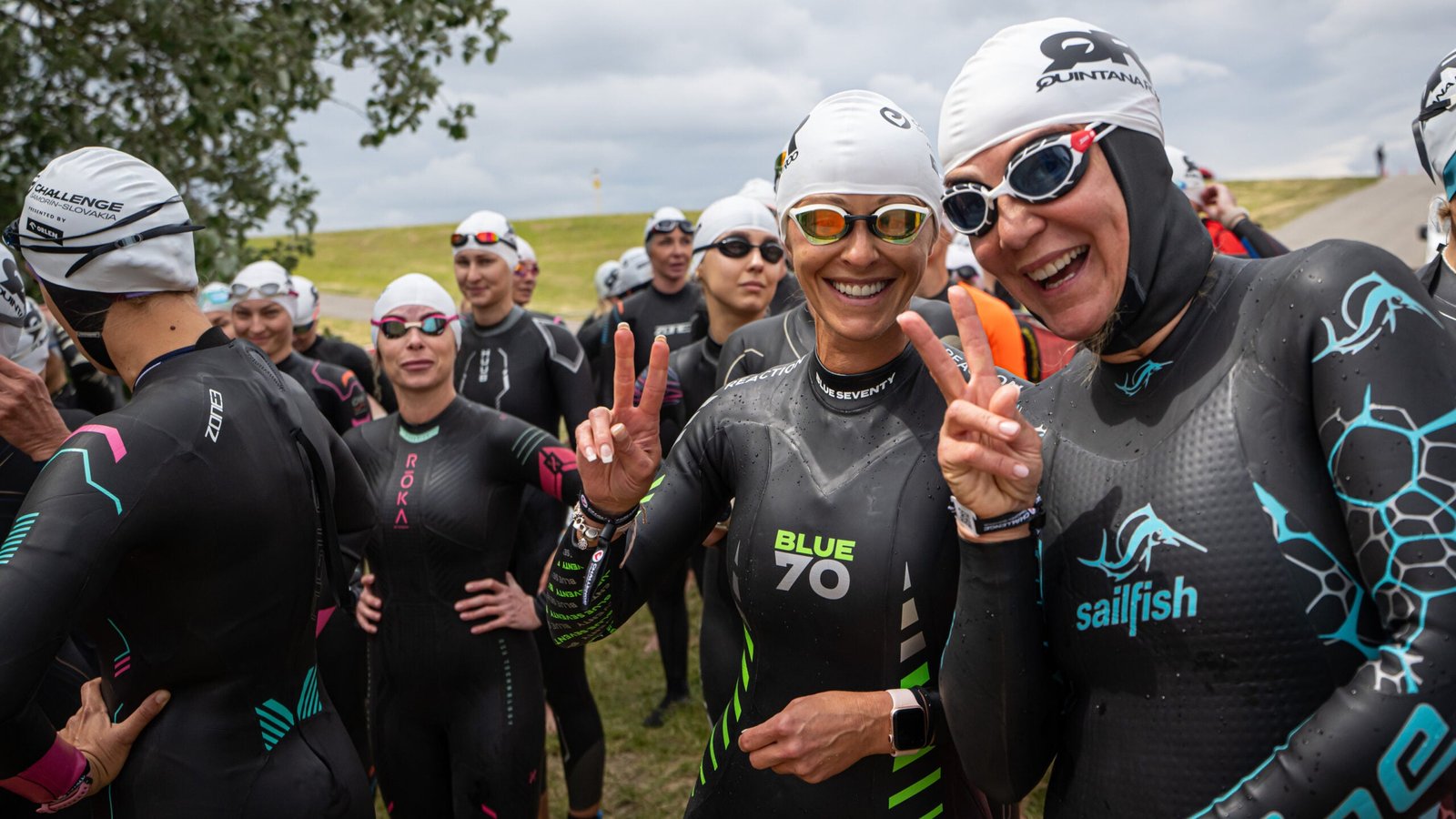
These communities shine brightest at team races. All four triathlon communities have formally or informally designated team races with strong member participation rates, where the community comes together to support its members – especially its beginners.
They share in the success of all their finishers, from the first one to the last, and show them that they are capable of more than they realized. The SF Tri Club’s cheer squad, in fact, often exceeds the number of their athletes on the race course!
4. They create triathletes
Ultimately, a great beginner tri community creates triathletes. Not just athletes who have the fitness and knowledge to cross the finish line, but triathletes who know they are part of the triathlon community.
Triathletes who feel such a strong sense of connection to the tri community that supports them stick around and become an active part of that community.
The DC Tri Club, SF Tri Club, and Tri Club of San Diego excel in this, each having as many member-driven or member-led activities on their calendars as club-scheduled activities. And the entire slate of the SF Tri Club’s current board started in their Zero to Sixty Program.
If you’re new to triathlon, or are tri-curious, and are looking for a community to share in the journey, seek out one that meets you where you are, supports your journey in whatever form it takes, helps you see that you can accomplish anything you set your mind to, and celebrates every one of your successes. And then stick around so you can help the next crop of new triathletes achieve that same success.



