
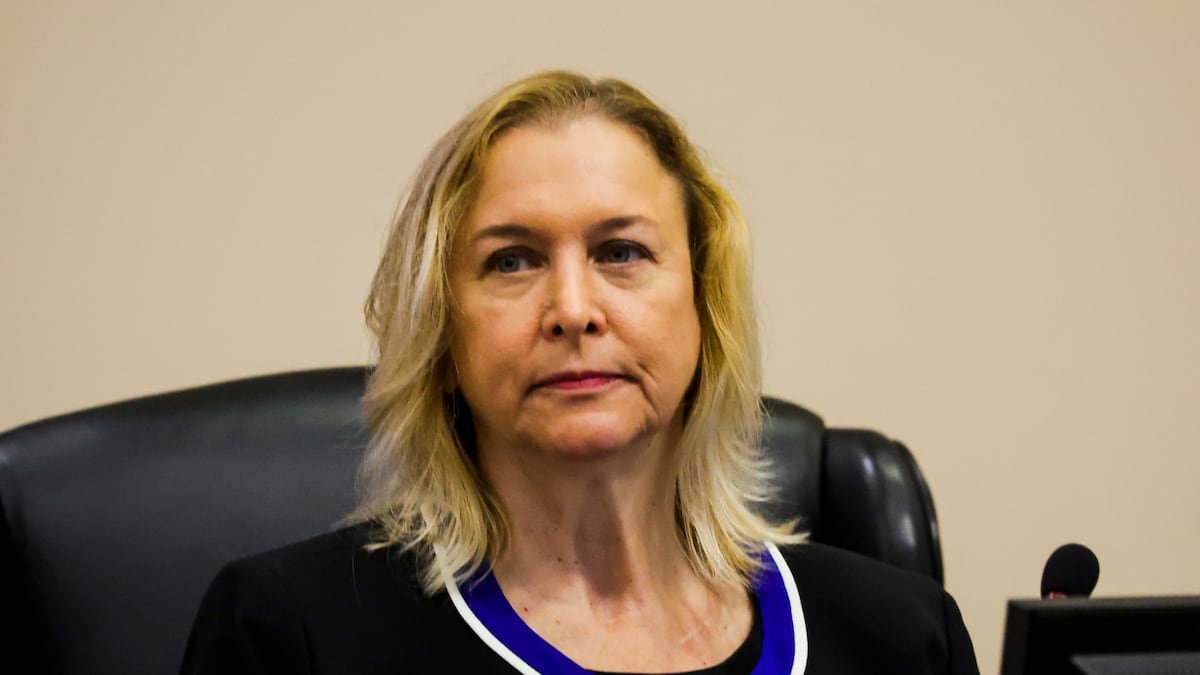
Money set aside for Benchmark International Arena and George M. Steinbrenner Field will be needed to cover the public share the Tampa Bay Rays are seeking for a stadium, Hillsborough County Administrator Bonnie Wise has informed commissioners.
“A significant portion of those project funds, as well as the (Community Investment Tax) contingency dollars, would be needed to meet the Rays’ required level of public funding for the new ballpark,” Wise wrote in a document obtained by the Tampa Bay Times on Thursday.
The Community Investment Tax, Hillsborough’s half-cent sales tax, was first introduced as a potential funding source through a framework document from Commissioner Ken Hagan’s office. The document said the Rays could get money from the tax from “future revenue from CIT that exceeds the initial estimated annual growth rate, reallocated sports facility dollars or unallocated dollars.”
The sales tax is identified as one of three local public funding sources the Rays listed in a draft memorandum of understanding also obtained by the Times Thursday.
“We are fully supportive of all of the professional sports teams that call Tampa Bay home and recognize the important role they play in our community, economy, and regional identity,” Rays CEO Ken Babby said in a written statement to the Times.
Benchmark International Arena and Steinbrenner Field are home to the Tampa Bay Lightning and New York Yankees spring training, respectively.
Since the tax was first identified as a potential source, public discussion has largely centered around the use of unexpected revenue from the sales tax for the Rays.
An exchange between Commissioner Joshua Wostal and Wise at last week’s commissioners meeting seemed to foreshadow that reallocated dollars would come into play.
Wostal asked Wise if the Community Investment Tax talks have expanded beyond the tax’s excess.
“We are considering any and all creative revenue sources,” Wise said.
Using the tax in a Rays deal has been a major question mark, regardless of whether excess or non-excess funds are used.
A majority of county commissioners have said they oppose using the tax to fund new sports stadiums. Voters approved extending the tax — which will run through 2041 — by a narrow margin two years ago. Commissioners are awaiting an outside legal opinion on whether they can use the sales tax to help pay for the ballpark.
Wise reiterated an earlier message from County Attorney Julia Mandell and wrote that a non-binding memorandum of understanding or term sheet could be presented to commissioners for consideration at their May 6 meeting.
“The draft received this afternoon … has not been reviewed or analyzed by Hillsborough County or its partner governmental entities involved in this effort,” Wise wrote in an email to commissioners. “The County, the City of Tampa and the Tampa Sports Authority will now begin to review and analyze the information provided. We look forward to discussions with the Rays regarding the development proposal for our community.”
Wise listed several items beyond funding that city and county leaders will need to consider, including infrastructure, construction plans and timing.
To reduce risk, she said, city and county staff have suggested that no public funds be spent until the team secures the required permits, zoning and other land use approvals. She added that public money should not be made available until all bonds are validated and “any lawsuits are settled in a court of final jurisdiction.”
There are also questions about land and stadium ownership, she said.
The Rays have proposed that the stadium be publicly owned, making it exempt from property taxes. The team would lease the stadium from the county for 35 years with the option to extend for up to 15 additional years. The Rays have previously proposed that ownership would then be transferred to the team, she said.
“If the Rays were to own the ballpark property after the lease term ends, then it would become subject to property tax,” she said. “(The) county has not agreed to such a lease structure with any of our other public sports facilities.”
Looking forward, Wise said next week’s April 16 county workshop will help staff “refine the deal points in an (memorandum of understanding) or some other non-binding instrument like a term sheet” ahead of potential votes in early May.
An economic impact report from Aecom Hunt, a firm hired by the Tampa Sports Authority, will be available prior to the public workshop, and representatives from the firm will attend, she said.
But the work won’t end if the city and county approve a stadium deal. If that happens, the city, county and team will work out long-form agreements with details about funding commitments, timelines and the obligations of each party. They’ll also outline what will happen if any party cannot fulfill their commitments.
“Only then,” she said, “will there be a formal deal in place for the Rays to relocate their team to Hillsborough County.



