

WASHINGTON — The Trump administration wants to finalize a $4.5 billion weapons package for the United Arab Emirates, an oil-rich nation friendly to the U.S., during the ongoing war with Iran that President Donald Trump started without approval from Congress.
The deal centers around the Terminal High-Altitude Area Defense system, or THAAD, a central tool in missile defense for the U.S. and its allies. The THAAD system is one cog in an array of missile “interceptors” the U.S. has employed to shoot down projectiles that Iran fires against U.S. assets and allies, including Israel.
“This proposed sale will support the foreign policy and national security objectives of the United States by helping to improve the security of an important regional partner,” the Defense Department said in a memo scheduled for publication Tuesday morning.
The contract was won by Lockheed Martin, with a significant presence in Moorestown, about 15 miles east of Philadelphia in Burlington County. The proposed sale is the latest in a string of arms deals Lockheed has obtained in recent months under the administration.
Lockheed did not respond to a request for comment about arms sales. The Defense Department did not respond to questions about the timing of the sale.
The $141 billion military contractor, the world’s biggest, has significant corporate interests before the Trump administration beyond the production of the THAAD system.

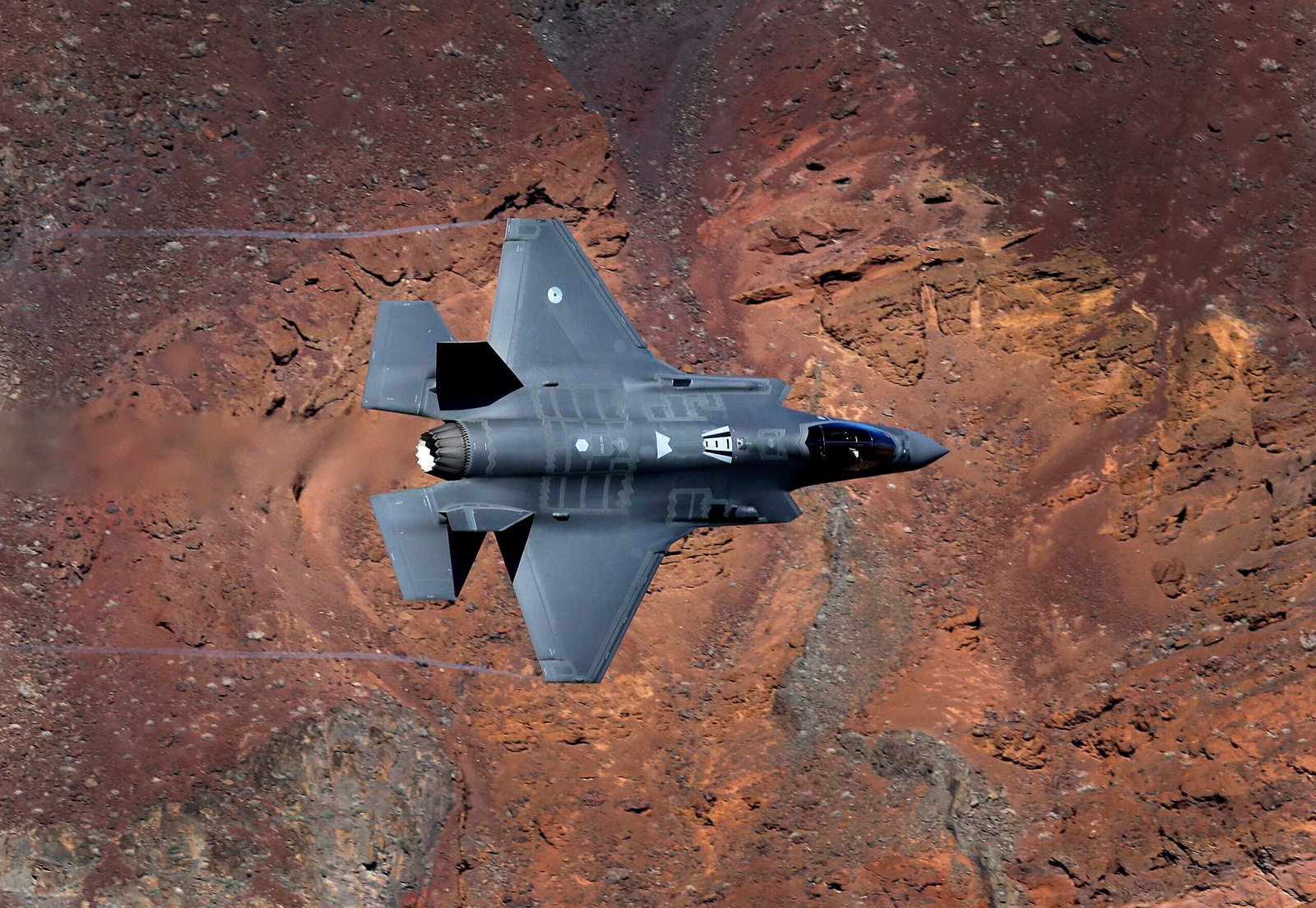
Lockheed is the lead contractor on the F-35 Lightning II program — the most expensive weapons system in Pentagon history, expected to cost more than $2 trillion. The contractor is also looking for a deal with the U.S. government to build a nationwide missile defense barrier. The White House has called this project the Golden Dome, named after the Iran Dome system of Israel.
Lockheed spent $15.68 million lobbying the federal government last year, according to the nonpartisan watchdog group Open Secrets, up from $12.67 million.
The company donated $10 million for Trump’s ballroom project to replace the now-leveled East Wing of the White House and $5 million toward the official celebrations of the U.S.’s 250th anniversary, according to the advocacy group Public Citizen.
Lockheed is facing 15 open cases before the National Labor Relations Bureau of alleged unfair labor practices, according to Public Citizen, which is tracking corporate enforcement and conflicts of interest during the second Trump term.
In December, the U.S. government submitted a $100 million weapons package for Japan for training on the Aegis Weapon System, a missile defense technology for ships. Lockheed is the contractor on that order.
That deal preceded a $1.7 billion deal approved this year to sell equipment, including torpedo systems, parts, training and radios, to Spain. Lockheed is one of four defense contractors involved in that contract. Other arms sales that involved Lockheed in recent years include a $1.7 billion deal with Canada in 2021 and a $1.5 billion deal with Australia in 2020. Both concerned the Aegis system.
Under federal law, the administration must notify Congress 30 days before it can complete an arms sale for most nations. For certain foreign countries, including NATO members and close allies, like Australia, Israel, Japan, New Zealand and South Korea, only 15 days are needed, according to the non-partisan Congressional Research Service.
Congress is empowered to reject pending weapons sales, though that only happened once when, in the 1980s, lawmakers halted arms sales to Jordan, forcing Ronald Reagan, president at the time, to postpone an arms transfer. Federal law requires the Pentagon to alert Congress of pending arms sales.
Votes in recent years to block weapons packages bound for Israel have not been adopted, though they have underscored the foreign policy differences between New Jersey’s two senators: Cory Booker and Andy Kim, both Democrats.
After national security officials briefed members of Congress privately, Kim said he was concerned the U.S. could burn through its reserve of interceptors faster than they could be replenished, especially if the war continues at length.
Booker and other Senate Democrats will try as early as this week to force a Senate vote to end the Iran war, and a similar measure could receive a vote at the end of the week in the House.
“As the administration’s reckless war of choice spirals further out of control and Americans face even greater costs here at home, the need for the Senate to do its job and stop this war is intensifying,” Booker said in a statement Monday.



