
This article first appeared in New Jersey Monitor, a nonprofit content-sharing partner of NJ Spotlight News.
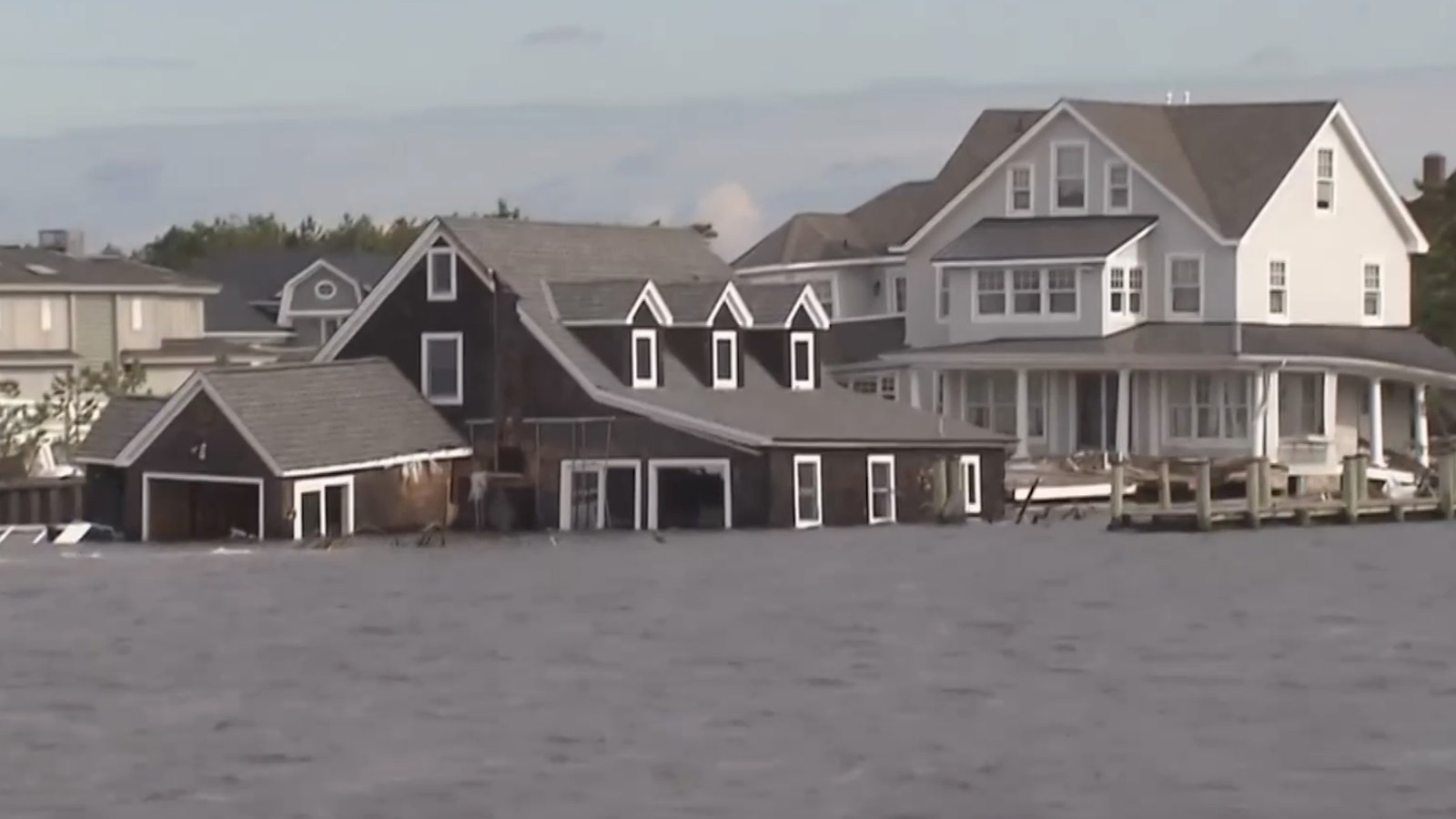
The New Jersey Department of Environmental Protection will delay by a year the implementation of controversial new flood rules adopted on the final day of Gov. Phil Murphy’s administration to give regulators more time to make amendments.
The move to walk back regulations that set new elevation requirements, expanded state flood maps beyond federal counterparts and created rules for wetland protection and stormwater management was announced Friday. It followed a joint legislative hearing in April where local officials and business groups decried them as unduly restrictive.

“This extension gives us time to meaningfully engage with local leaders, communities and other stakeholders across New Jersey to get this right,” Gov. Mikie Sherrill said.
The announcement extends a grace period that will allow projects to continue under old rules if they submit complete permit applications before July 20, 2027. As written, the rules’ grace period was due to lapse on July 20, 2026.
The delay will prompt a 60-day public comment period that will include a hearing after the rulemaking proposal is published in the state register in June, the department said.
The Murphy administration had pared down the Protecting Against Climate Threats: Resilient Environments and Landscapes — more succinctly, PACT REAL — rules in July before adopting them in January.
Senate President Nicholas Scutari (D-Union) in February introduced a concurrent resolution that would have declared the regulations out of step with lawmakers’ intent. On Friday, he said the rules could have foisted costs onto homeowners making repairs, and he welcomed the pause.
“We can find ways to address environmental challenges and protect our residents without imposing burdensome requirements on the people who live and work in our communities,” Scutari said.
Politico New Jersey earlier reported the administration’s plan to delay the rules.
Business groups and some local officials have railed against the new flood rules for years, arguing they would raise costs and leave some communities without developable land to meet affordable housing obligations imposed by state law.
“We’re encouraging the administration to basically start from scratch so we can accomplish the administration’s goals of providing resiliency and environmental protection while also helping to streamline the permitting process so that we can grow our economy in a sustainable manner,” said Ray Cantor, deputy chief government affairs officer for the New Jersey Business & Industry Association.
Environmental advocates and municipal finance experts told the joint panel the cost of storm damage would outweigh that of compliance, by reducing borrowing expenses or cutting risk that can drive up the price of issuing debt for flood-prone coastal communities.
Doug O’Malley, director of Environment New Jersey, said the flood rules that took more than half a decade to finalize were a thoughtful response to the rising risks.
“The Sherrill administration’s decision to delay the coastal flooding rules gives developers another year of using antiquated data that won’t protect our communities and homes from tomorrow’s storms,” O’Malley said. “These rules need to be adopted as quickly as possible to ensure we don’t leave more communities at risk.”



