
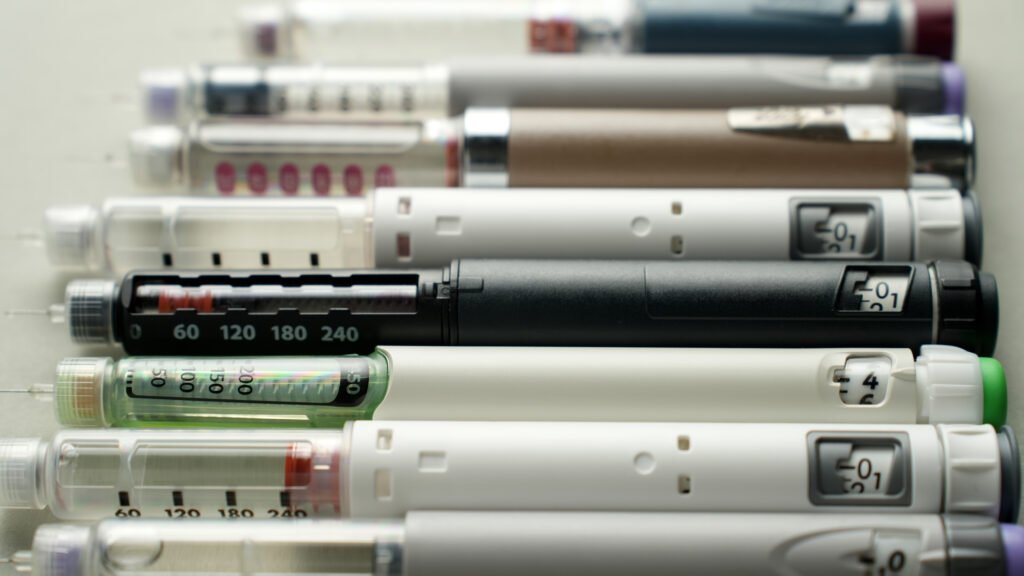
The scientists whose work spurred the development of powerful obesity drugs like Eli Lilly’s Zepbound are now raising a provocative hypothesis: Perhaps targeting the GLP-1 hormone is actually not necessary to achieve effective weight loss.
A group of researchers led by Richard DiMarchi and Matthias Tschöp has created an experimental drug that activates receptors of the GIP and glucagon hormones. They propose — based on rodent and monkey studies — that this kind of molecule, when administered at high enough doses, may result in weight loss comparable to the weight loss seen with drugs that include GLP-1 as a target, and without the tolerability issues like nausea and vomiting that often come with the approved treatments, according to a peer-reviewed draft paper published this week.
The research, funded by a biotech called BlueWater Biosciences, would still need to be confirmed in humans; oftentimes results seen in animals don’t translate in the clinic. But the proposed approach, outlined in the journal Molecular Metabolism by some of the most well-known scientists in the field, is likely to stir controversy, as it challenges a central notion underpinning not just the development of approved obesity products but also next-generation versions.

This article is exclusive to STAT+ subscribers
Unlock this article — plus daily coverage and analysis of the biotech sector — by subscribing to STAT+.
Already have an account? Log in
View All Plans



