
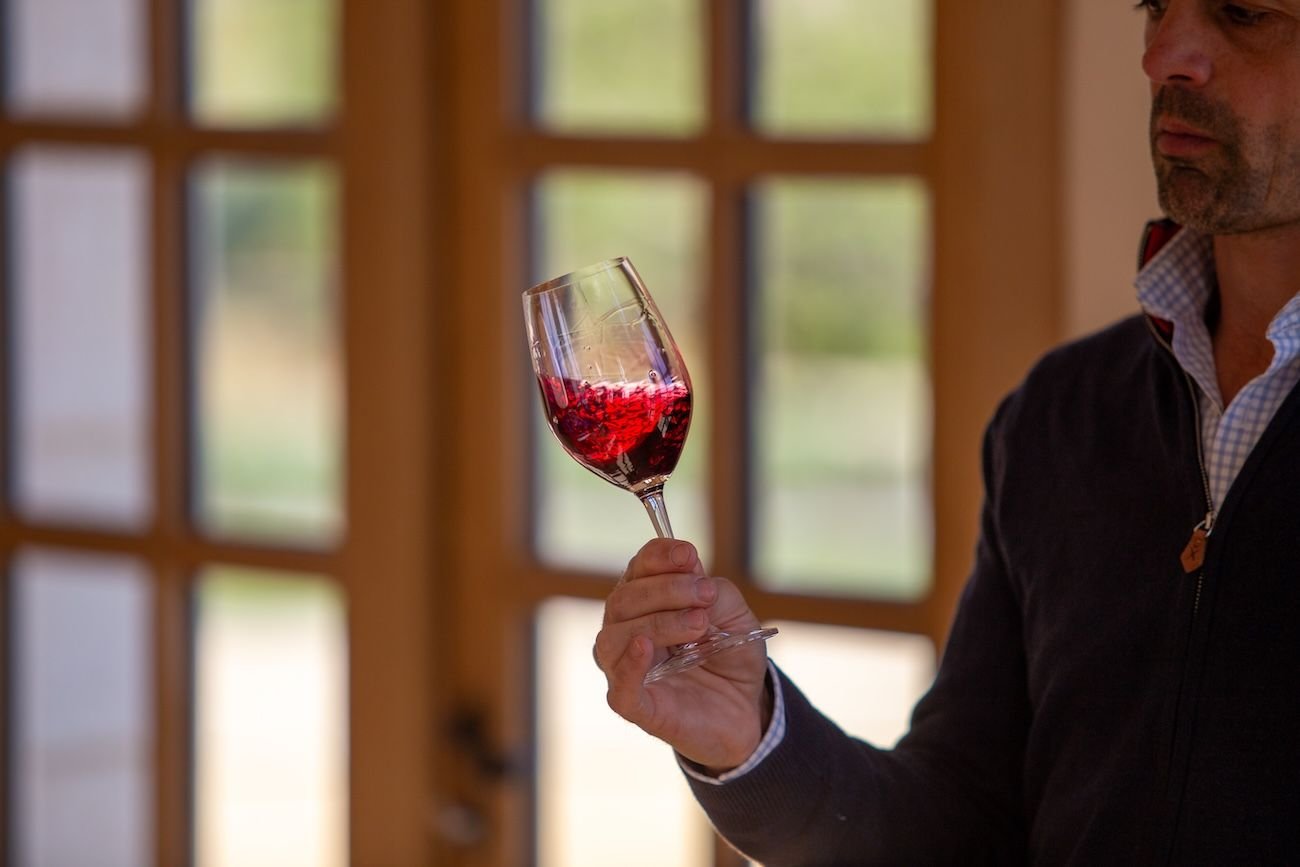
1. One of the earliest harvests on record but the wines don’t taste like it
From the very beginning the 2025 season was in a hurry. Budbreak was nearly two weeks ahead of average, flowering flew through in mid-May under perfect dry conditions, and véraison hit in late July.
Dry whites were picked from mid-August (Sauvignon as early as the 11th), Merlot kicked off historically early at the end of August at some estates and Cabernet followed in mid-September.
It’s one of the earliest harvests most growers can remember yet it has delivered remarkable aromatic purity and surprising freshness with overall low pHs (meaning high and fresh acidity).
2. The weather delivered the perfect mix of stress and relief
(Image credit: Future/Luke Carver)
A mild winter, rapid even flowering and a long dry summer built serious concentration.
June and August were scorching (2025 sits second only to 2003 for days above 35°C), but crucially the nights stayed relatively cool, preserving acidity.
The real hero moment came at the end of August when the tail-end of Hurricane Erin brought 25–100 mm of rain depending on where you were (up to 90mm in Pauillac but around 25mm in Pomerol).
That timely shower eased the vines and, while it didn’t add any significant volume, it finished ripening the late Cabernets, prevented over-ripeness and kept alcohols surprisingly moderate (mostly 12.5–13.5 %).
Growers are calling it the ‘blessing’ and without it a style that would have been much more in keeping with that of 2022.
The 2025s also benefited from limited mildew pressure, no frost and no real risk of rot.
In short, it ticked all five classic preconditions for a great vintage – something that has happened only twice since 2021.
3. The style is concentrated yet fresh – reds, whites and sweets all shining
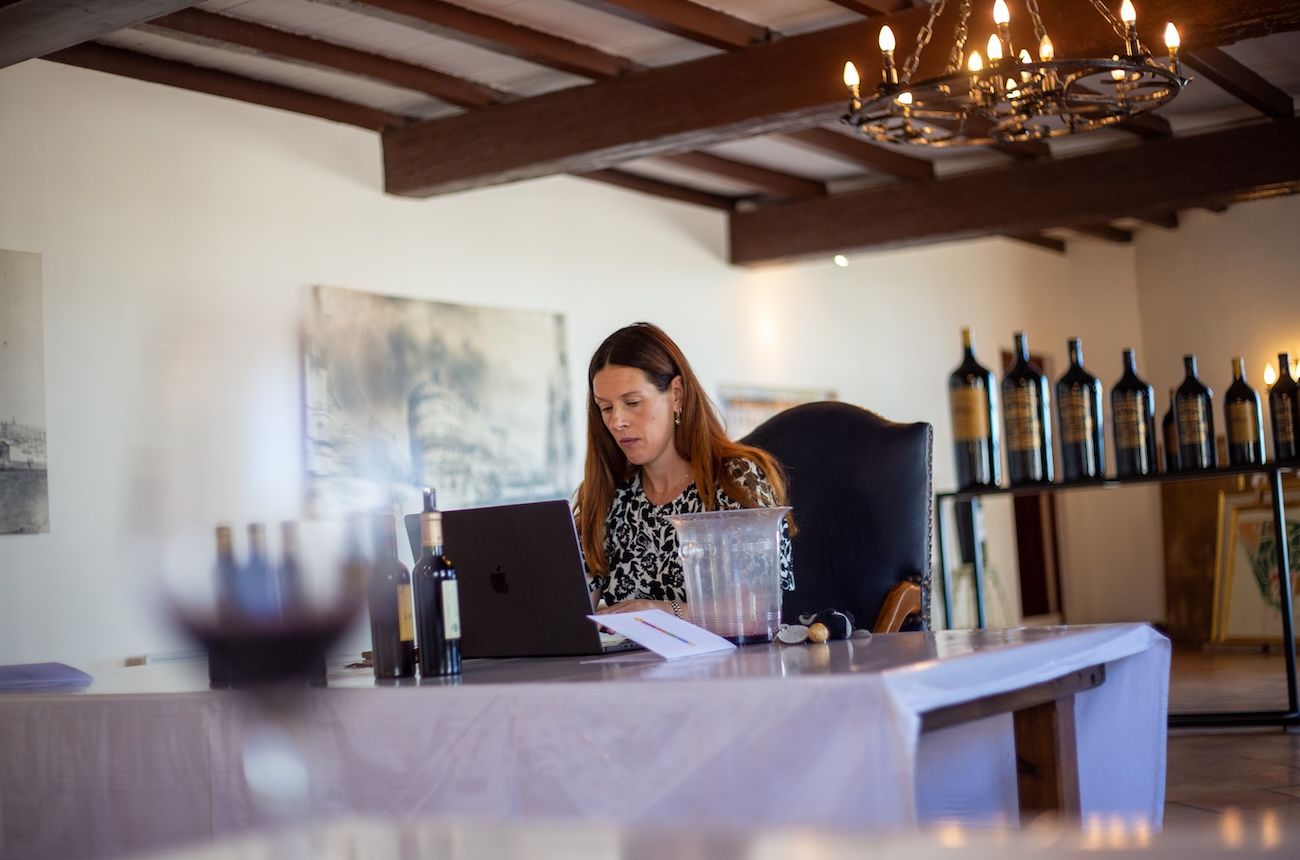
Georgie Hindle tasting at Château Batailley
(Image credit: Future/Luke Carver)
Tastings show reds with beautiful skin-to-juice ratios, thick-skinned small berries, high colour, ripe but refined tannins and juicy, cool fruit.
Despite all the heat and drought, they don’t have the opulence of 2022. Many people (myself included) are finding them closer in feel to 2020 and especially 2023 with some elements of both 2016 and 2019.
Cabernets are tight and compact for now, Merlots fruit-forward and supple on the best limestone/clay sites.
Dry whites are astonishingly aromatic and lively despite the earliness, with pH around 3.1 (so acidities are fresh).
Sweet wines from Sauternes and Barsac also did tremendously well: noble rot arrived cleanly after the late-August rain, giving concentration yet vibrancy.
It’s rare for every category to look this promising at once. While not universally brilliant like 2016 or 2022, quality is excellent at the top level and the best wines are genuinely exceptional.
4. Yields are tiny – the smallest since 1991

(Image credit: Future/Luke Carver)
This is the fifth year in a row of low production and 2025 has taken it even further. The Gironde expects around 290 million litres (average 33.6hl/ha) – roughly half the volume of a big year like 2016.
Many classed-growth estates are reporting 26–35hl/ha, with some white plots as low as 20hl/ha.
The low volumes were partly expected from the outset because of poor floral initiation caused by the difficult 2024 growing season (small flower clusters meant fewer bunches right from the start).
On top of that, the severe hydric stress this year further reduced berry size and weight.
Add in the fact that 20,000 hectares of vineyard have been ripped up or abandoned in the past three years and you can see why supply is now extremely tight.
Quality-wise the concentration is ideal; economically it’s a real challenge for growers.
5. Market-wise, this could be one of the smartest buys in years
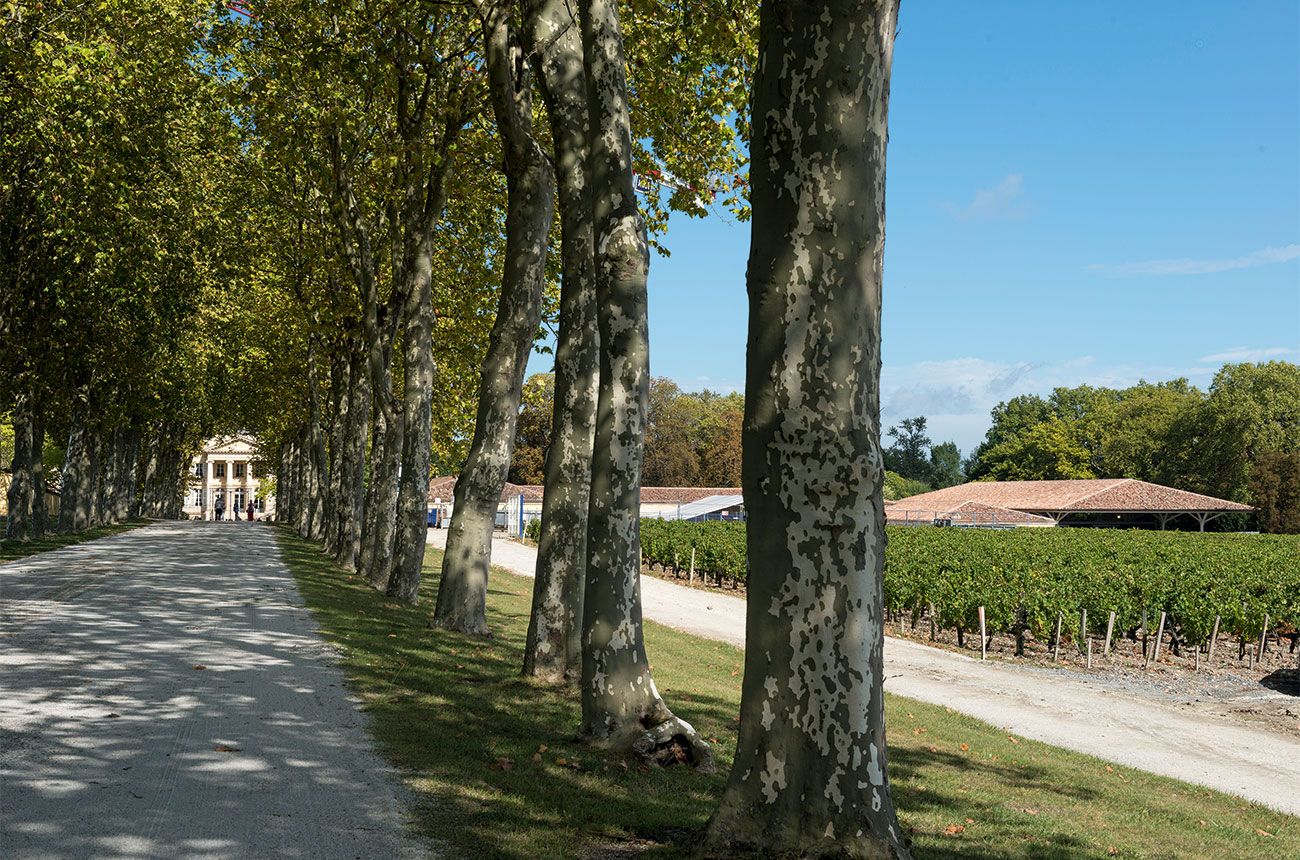
(Image credit: Nigel Young/Foster + Partners)
With production this low (it will be the smallest number of Château Margaux grand vin bottles since 1856!) and quality high, the 2025s are going to be scarce.
If opening prices rise only modestly from 2024 (which is what many négociants are hoping for) – or not at all – the 2025s will be sitting at roughly half the current secondary-market level of the legendary 2010 vintage.
While that feels like proper value, especially when the wines combine early drinkability with the potential to age, these are not easy times for the Bordeaux market or wine market in general.
In any case, with the campaign already underway (Pontet Canet announced its price on 29 April), it’s going to be interesting to see it unfold.



