
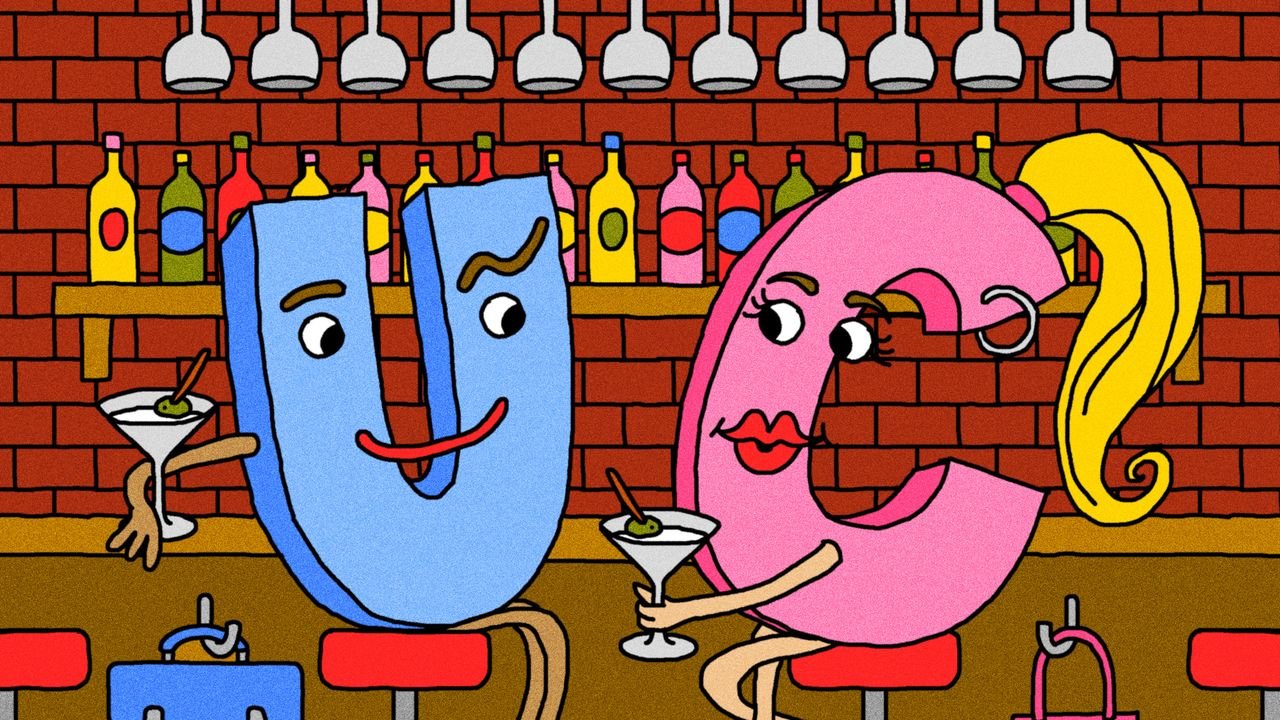
Many a stigma limits people from exploring all avenues of their sexual desires. And in a culture that treats bowel functions as taboo, that can be especially true for people living with digestive conditions. For those with inflammatory bowel diseases like ulcerative colitis (UC), which includes symptoms like diarrhea, rectal bleeding, abdominal pain, frequent bowel movements and urgency, this fear fuels a common misconception: that receptive anal sex is forever off the menu.
Benching backdoor action may sound like little more than a minor coital inconvenience. But actually, “this belief can feel devastating for people who experience ass play as central to their erotic identity,” says mental health expert and sex therapist Jesse Kahn, LCSW, CST, director of The Gender & Sexuality Therapy Center in New York City. Those people include queer men, people with vaginal scarring or chronic pelvic pain who rely on anal play for pleasure, and individuals taking medications like SSRIs that dull other types of touch.
But the belief that anal play is always off-limits for those living with UC is largely a myth, according to gastroenterologist Carlton Thomas, MD, who gives professional and personal safety tips about pooping and anal play through his TikTok and Instagram. “If your ulcerative colitis symptoms are under control and you’re not experiencing bleeding or diarrhea, then penetration is absolutely fine,” he says.
While he doesn’t advise bottoming—being the receiver of anal penetration—during active flares, “plenty of people with inflammatory bowel disease participate in receptive anal sex, and even intense forms of anal play like fisting, when they’re in remission,” he says.
The potential risk of receiving anal with a UC flare
Practically speaking, the symptoms associated with UC “can make it hard to feel sexy, so most people aren’t thinking about anal sex during flares,” says Evan Goldstein, DO, a doctor in New York City who specializes in anal care, the founder of Bespoke Surgical, and the author of Butt Seriously. But even if someone were inclined to push through, penetration during a flare is likely to be painful at best and dangerous at worst.
During flares, the tissue lining the digestive tract becomes tender and more prone to irritation or tearing, says Dr. Thomas. Worse, because the rectal lining may already be compromised, anal penetration can lead to tears, abscess formations, and other complications along the anal canal, he says. Especially in the absence of barriers, there’s also an increased risk of contracting sexually transmitted infections like chlamydia, gonorrhea, syphilis, herpes, or HIV, he adds.
There’s emerging evidence that inflammatory bowel disease flares can disrupt the gut and anal microbiomes—the community of microbes that supports anal and digestive health, notes Dr. Goldstein. When that microbial balance is thrown off, the protective lining of the lower digestive tract can become more vulnerable to irritation, infection, and slower healing. For people with UC, whose tissue is already inflamed, that means friction from penetration can be more likely to aggravate symptoms, he says.
What’s more, the common pre-anal practice of douching—rinsing your rear with water or a cleansing solution before sex—can compound the problem, Dr. Goldstein says. Tap water or harsh cleansing solutions can strip away protective mucus and further disrupt the microbiome, potentially worsening irritation in an already inflamed rectum, he says.
Unfortunately, the pressure to douche thoroughly can feel especially intense for people with UC, since symptoms like anal bleeding, mucus, and unpredictable bowel movements can make people worry about mess during sex, says Dr. Goldstein. But aggressive or frequent douching can further irritate already sensitive tissue, potentially prolonging flaring or triggering additional symptoms, he says.



