
The New Jersey Senate approved a bill Thursday aimed at protecting abortion seekers and transgender healthcare patients, along with their medical providers, from legal and in-person threats, a move that comes nearly years after the bill’s supporters first introduced the measure.
The bill would create a new crime of interfering with reproductive health services and expand the definition of those services to include healthcare for trans patients, building on existing laws designed to shield abortion clinics, staff, volunteers, and patients from violence and harassment. Advocates said additional protections are needed given the Trump administration’s efforts to curtail these services.
The Democratic-sponsored legislation passed the Senate 23-12 along party lines. Three Republican senators — Jon Bramnick, Owen Henry, and Declan O’Scanlon — were present but did not vote.
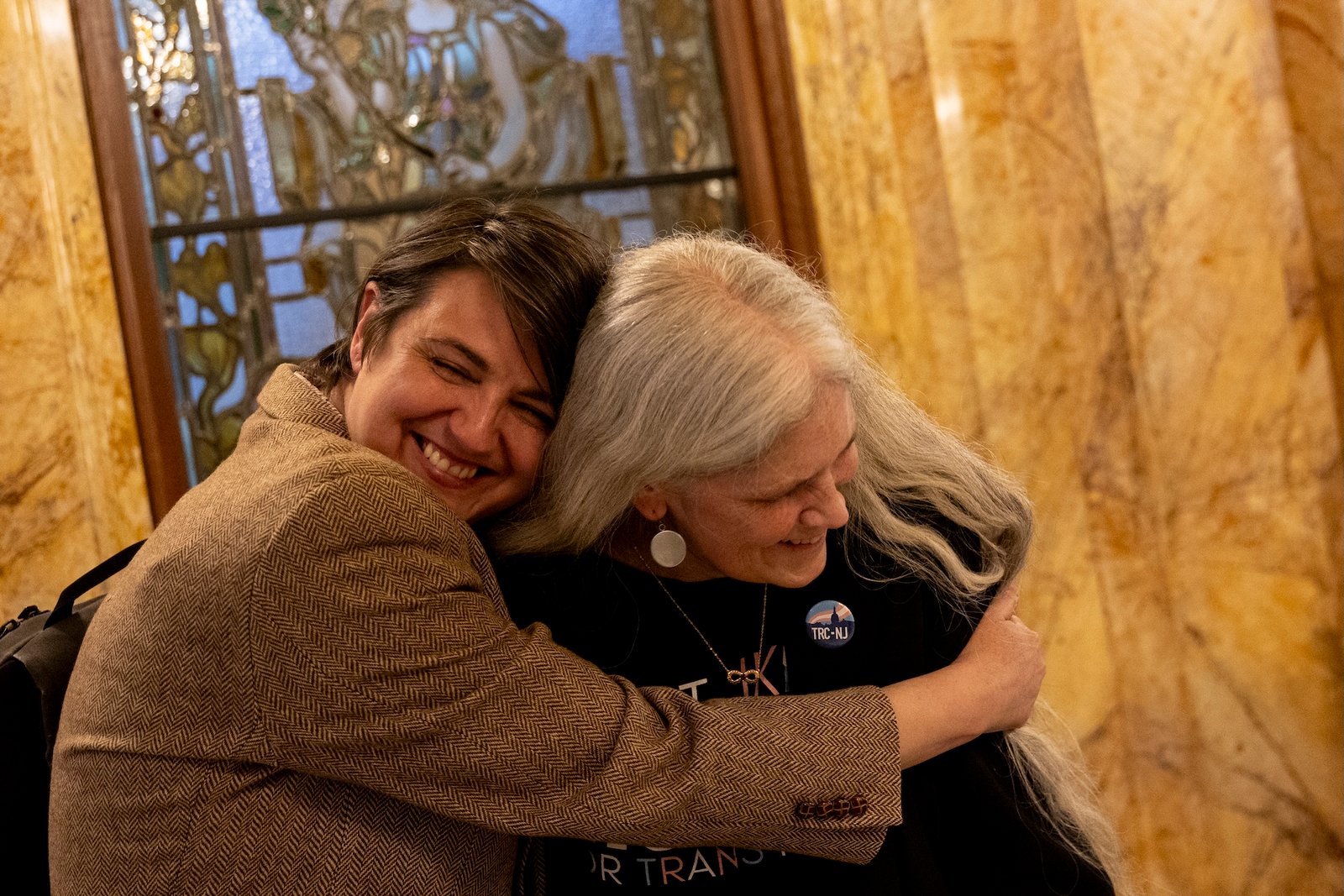
Ruth Kunstadter of the Transgender Rights Coalition of New Jersey called the vote “a major milestone for New Jersey to confirm its commitment to ensuring everyone has equal access to vital healthcare.”
“We urge the Assembly to swiftly move the companion bill to a vote to give transgender New Jerseyans full protection from malicious, discriminatory interference in their right to health from other states and the federal government,” Kunstadter said.
Bramnick, an attorney, raised concerns that some of the language in the legislation could infringe on someone’s First Amendment right to speak freely outside a healthcare facility. He also flagged a section that he said would restrict the power of state licensing boards.
“First, I’ll compliment the sponsor for drafting a bill that protects both reproductive rights and transgender rights,” said Bramnick, adding, “But, as we’ve seen in the past, this goes a step too far.”
Bill sponsor Sen. Teresa Ruiz (D-Essex) said she is open to minor changes before the legislation goes before the Assembly, but noted the U.S. Supreme Court has upheld protections like those outlined in the bill, known as S2260.
“We will look to change possibly one word,” Ruiz said, “but I just want to echo that S2260 is not a violation of First Amendment rights.”
There were no other comments or debate about the bill on the Senate floor.
The Assembly, which has a voting session next on June 11, must approve the legislation before it could be signed into law by Gov. Mikie Sherrill. Her office has declined to comment on the bill during the legislative process.
The bill is backed by many LGBTQ+ advocates, including multiple parents who testified in committee hearings about the struggle they face to secure healthcare services for their trans children. Some 18 other states have adapted shield laws with similar intentions, advocates said.
Vidhi Goel, a Central Jersey mom with a trans son, said she worries when she sees families like hers fleeing other states that restrict access to healthcare. It’s a fear other parents shared in testimony before the Assembly and Senate committees in recent weeks.
The care her son needs is deeply personal, Goel said, and it requires that doctors be available to provide that care without fear of reprisal. That’s where shield laws like this are important, she said.
“Without them, providers face the very real threat of prosecution from other states and from the federal government, simply for doing their jobs. When doctors fear that kind of exposure, they stop offering care. And when they stop, families lose access, not because the care isn’t available or isn’t safe, but because their doctor is too scared to provide it,” Goel told the New Jersey Monitor Thursday.
Trans advocates said the measure is urgently needed given ongoing efforts by the Trump administration to limit access to reproductive and transgender healthcare services, particularly for minors. Multiple parents, including Goel, have spoken out about messages they had received from their children’s doctors warning that care could be curtailed.
Opponents, including abortion foes, have warned the measure could be unconstitutional in how it seeks to limit how protesters can engage with patients entering healthcare facilities, including the practice anti-abortion advocates call “sidewalk counseling.”
Under the bill, interfering with reproductive health services could include harassing, harming or blocking patients, healthcare providers, staff, or volunteers from entering a healthcare facility. Violators could face as many as ten years in prison and a fine of $150,000 if someone is injured during the interference.
GET THE MORNING HEADLINES.



