
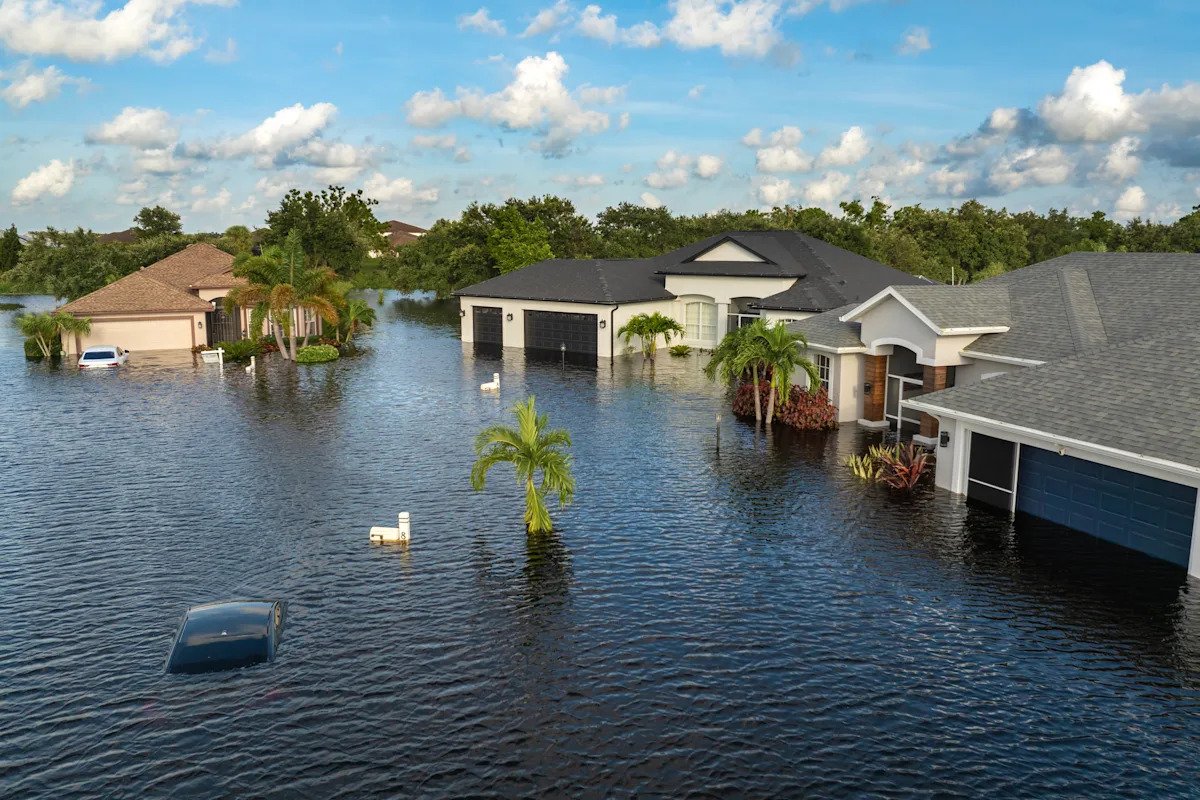
Flood insurance is typically a separate policy from your homeowners insurance that specifically protects your property from flood-related events. It’s not always necessary, but it’s worth considering if you live in an area where it could flood.
What is flood insurance?
Flood insurance is a type of property coverage that can protect your home and belongings from flood-related water damage. Potential flooding situations could include:
Keep in mind that coverage can vary by policy, so be sure to read over your terms, conditions, and exclusions to see what your plan covers.
Does homeowners insurance cover floods?
Standard homeowners insurance policies don’t typically cover flood damage, so you would have to purchase a separate plan if you want this coverage. Depending on your provider, you may be able to purchase a special endorsement as an add-on to your homeowners insurance, but it’s more common to have to purchase a separate policy.
What does flood insurance cover?
Flood insurance is often separated into two categories: dwelling coverage and personal property coverage. The former usually covers your home’s structure and built-in appliances, while the latter covers your belongings.
Here’s a look at some of the items you might find under each type of coverage:
Dwelling coverage
Your home’s structure, including the foundation
Air conditioning units and furnaces
Built-in appliances, such as refrigerators and dishwashers
Garage and other detached structures
Permanently installed carpeting
Permanently installed paneling, bookcases, and cabinets
Plumbing and electrical systems
Personal property coverage
Your personal belongings, such as clothing, electronics, and furniture
Carpeting not already included in your dwelling coverage
Certain high-value items, such as jewelry and art (often up to a certain amount)
Clothes washers and dryers
Curtains
Food freezers and the food inside
Portable and window air conditioners
Portable microwaves and dishwashers
Read more: What does homeowners insurance cover?
What does flood insurance not cover?
Flood insurance generally won’t cover:
Avoidable damage, such as damage caused by moisture, mildew, or mold
Currency, precious metals, and stock certificates
Expenses for everyday living and temporary housing
Financial losses caused by business interruption
High-value items beyond certain limits
Landscaping
Most motor vehicles and their parts
Mudslides or another type of earth movement, even if caused by a flood
Outdoor property, including hot tubs, pools, septic systems, patios, decks, and fences
Do you need flood insurance?
In general, flood insurance isn’t required except for specific situations. For example, it may be required if you have a house or business in a Special Flood Hazard Area (SFHA) and have a government-backed mortgage. You may also need flood insurance if it’s a requirement in your mortgage terms, even if you don’t live in a high-risk area for floods.
How much flood insurance coverage do you need?
Your mortgage terms may require you to have sufficient protection to cover the outstanding balance of your loan, but you typically want enough coverage to completely rebuild your home if necessary. This is different from covering your home’s resale value, which could be much lower than the rebuilding cost.
You can estimate your necessary coverage by adding up the costs of rebuilding your home and replacing damaged or destroyed belongings.
Note that National Flood Insurance Program (NFIP) coverage maxes out at $250,000 of building coverage and $100,000 of contents coverage. If you need more than that, you may have to purchase an additional private policy to bridge the gap or have a separate private policy that provides sufficient coverage on its own.
How much does flood insurance cost?
According to FEMA, 37% of NFIP policies nationwide cost between $0 to $1,000 per year, while 32% cost between $1,000 to $2,000 per year for a single-family home. However, your policy’s final cost could vary, depending on these factors:
Coverage: Your total coverage amount and the type of coverage you choose can affect your cost. For example, increasing your personal property limits is likely to increase your rates, while increasing your deductible should lower them.
Location: You may have to pay higher premiums in high-risk flood areas than in lower-risk areas.
Home age: An older home may be more expensive to insure because of older materials and systems, which may pose a greater risk to your provider.
Read more: How much does flood insurance cost in every state?
How to buy flood insurance
You typically have two options for buying flood insurance:
Purchase an NFIP, government-backed plan
Purchase a plan from a private insurer
If you already have a homeowners insurance policy, you should be able to contact your insurer about adding flood insurance. Many providers can write flood insurance through the National Flood Insurance Program. If yours doesn’t have that option, you can search for an eligible provider through the NFIP directory.
You can also compare options from private insurers for policies that aren’t backed by the government. Depending on your needs, you may be able to find higher coverage limits and additional plan options through a private insurance company.
How to lower flood insurance costs
Lower your coverage
While this isn’t an ideal solution, lowering your coverage is a quick and easy way to lower your insurance premium if you need to put some money back in your pocket. However, we wouldn’t recommend having less than enough coverage to rebuild your home, if necessary.
Increase your deductible
Choosing a higher deductible is a straightforward way to lower your premium, but you have to keep in mind that if you submit a claim, you have to pay that higher deductible. There are pros and cons to this strategy, but it could make sense depending on your financial situation.
Provide an Elevation Certificate (EC)
An EC helps insurers assess your property’s flood risk, and you can inquire with your local floodplain manager about acquiring one. The NFIP no longer requires an EC to purchase coverage, but providing one could help lower your insurance costs.
Mitigate your risks
Considering the cost of flood insurance is based on the flood risk for an individual property, you may be able to take actions to mitigate your risk and lower your insurance cost. This could include elevating your utilities, such as water heaters and electrical panels, installing flood openings, and filling in basements.
FEMA/NFIP vs. private flood insurance
At a glance, the main difference between NFIP coverage, managed by FEMA, and private flood insurance is that NFIP coverage is backed by the government. Apart from that, the differences lie in the amount of coverage and overall coverage limits.
Coverage type | NFIP insurance | Private flood insurance |
|---|---|---|
Dwelling coverage | Up to $250,000 | Potentially up to $500,000 or more |
Contents coverage | Up to $100,000 | Potentially up to $250,000 or more |
Loss of use coverage | Not available | Available |
In general, private flood insurance allows for higher coverage limits and more comprehensive coverage options. However, depending on your situation, you may not need more than what NFIP policies offer.
Learn more: How FEMA flood insurance works
Flood insurance FAQs
When does flood insurance take effect?
It may depend on your policy, but it’s common for flood insurance coverage to take effect 30 days after the purchase date. There may be no wait or a shorter wait if you’re renewing your policy or your property is in a newly designated high-risk flood zone.
Is flood insurance required?
Flood insurance isn’t generally required unless it’s stipulated in your mortgage terms. This could be the case if you live in a high-risk flood area and have a government-backed mortgage, or if your lender requires flood insurance, regardless of where you live.
Can renters get flood insurance?
Yes, renters can get flood insurance through the NFIP or a private insurance company. This would usually be a separate policy from a renters insurance plan.
Does flood insurance cover basements?
Yes, flood insurance can cover basements, but coverage may be limited by your policy’s terms and conditions. For example, furnaces, heat pumps, circuit breaker boxes, and electrical boxes may be covered, but certain personal property and basement improvements may not be covered.
Can I get flood insurance outside a flood zone?
Yes, you can typically purchase flood insurance even if you don’t live in a high-risk flood zone. NFIP flood insurance is available to anyone living in one of over 22,000 communities across the country, and you can also purchase coverage through a private company as an alternative option.
Does FEMA disaster assistance replace flood insurance?
No, FEMA disaster assistance does not replace flood insurance. FEMA disaster assistance is available only when the president of the United States declares a federal disaster, and FEMA grants may not always cover all losses. Flood insurance helps cover you in case of flood-related events, even if they aren’t declared disasters.



