
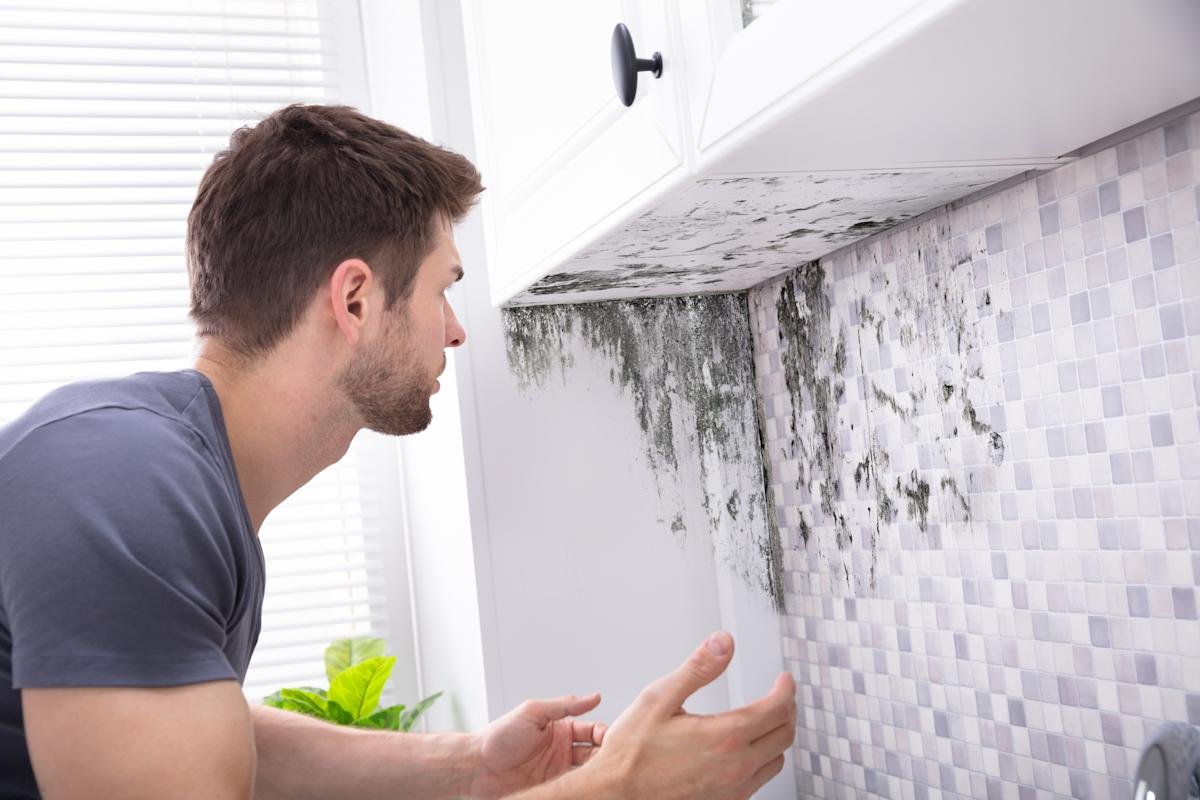
Finding mold in your apartment can be stressful. And one of the first questions you may ask is: Will renters insurance cover mold damage?
Here’s how mold coverage works, when your renters insurance may help, and whether you or your landlord is responsible for paying for the damage.
It depends: What caused the mold?
Whether renters insurance covers mold damage is highly dependent on what caused it.
When insurance companies evaluate mold claims, they’re usually less concerned about the mold itself and more concerned about how it got there.
For example, let’s say a pipe suddenly bursts under your kitchen sink and soaks a rug before anyone notices, and a few days later, mold starts growing. In that situation, the mold can often be traced back to a covered event: the burst pipe. And your insurance may cover it.
On the other hand, let’s say mold develops because you noticed a slow leak under the sink but chose to ignore it for several months. This claim may be denied because the damage resulted from an ongoing maintenance issue rather than a sudden accident.
When renters insurance does cover mold
Renters insurance may cover mold damage when the mold is caused by a covered peril listed in your policy.
Common examples include:
A burst pipe
An overflowing appliance
Water damage from a fire response
Certain sudden plumbing failures
Storm-related damage that’s covered by your policy
And depending on your policy, coverage may extend beyond your belongings. For example, some renters insurance policies may also help pay for:
When renters insurance does not cover mold
Unfortunately, mold is more likely to be excluded when it develops slowly over time.
For instance, these situations could not be covered:
Long-term leaks
High humidity or poor ventilation
Neglect or failure to address water damage promptly
Flooding from outside the building
Sewer backups (unless you purchased additional coverage)
Contrary to popular belief, damage due to flooding isn’t usually covered by a standard renters insurance policy. So if heavy rain causes water to enter your apartment and mold develops afterward, renters insurance typically won’t cover the damage. Instead, you may need a separate flood insurance policy.
The same often applies to sewer backups. Unless you’ve purchased a sewer backup endorsement, mold caused by backed-up drains or sewer systems may not be covered.
A quick rule of thumb for mold damage
If the mold was caused by a sudden and covered event, there’s a good chance renters insurance may help. If the mold developed gradually because of maintenance issues, neglect, flooding, or other excluded causes, coverage is much less likely.
What renters insurance actually pays for when mold is covered
Renters insurance generally doesn’t insure the building you live in — just your belongings.
So if a covered mold claim is approved, renters insurance may help pay for things like:
Depending on your policy, it may also help pay for mold remediation and cleanup associated with the covered loss.
And if the mold makes your rental temporarily unlivable, your loss of use coverage may help pay for extra expenses while repairs are being completed. For example, if you need to stay in a hotel for two weeks while severe mold damage is being remediated, your policy may help cover those additional living expenses.
The exact amount your insurance provider will cover depends on your policy limits, deductibles, and any mold-related coverage caps that may apply. Some insurance providers place specific dollar limits on mold claims, even when the mold is caused by a covered peril.
Who is responsible for mold damage — you or your landlord?
In general, renters insurance protects your belongings, but your landlord is responsible for maintaining the property itself. So if mold is growing inside the walls, under the flooring, in the ceiling, or because of a building-related issue, that’s often the landlord’s responsibility to address.
For example, your landlord may be responsible if the mold was caused by:
A leaking roof
Faulty plumbing inside the building
Water intrusion through exterior walls
An issue that existed before you moved in
On the other hand, if the mold developed because of something you failed to address — such as ignoring a leak for months or creating excessive moisture in the unit — you could potentially be held responsible.
Things get murkier when a landlord’s negligence damages your belongings. For example, let’s say you repeatedly report a leaking roof, but it never gets repaired, and months later, mold ruins your couch, mattress, and clothing. Your renters insurance may not automatically cover the loss because the mold wasn’t caused by a covered peril under your policy. At the same time, your landlord may argue that they’re not responsible for your personal property.
If you’re dealing with a mold-related loss due to landlord negligence, you may need to review your lease agreement or seek legal guidance about your options.
Does renters insurance cover black mold?
From an insurance perspective, the color of the mold often matters less than what caused it. So, whether the mold is black mold, green mold, or another variety, coverage generally depends on the source of the moisture and whether that source is covered by your policy.
For example:
Black mold caused by a burst pipe may be covered.
Black mold caused by a long-term leak may not be covered.
Black mold caused by flooding is typically excluded unless you have separate flood coverage.
Mold endorsements: How to get more coverage
Some insurance companies offer optional endorsements for mold-related claims. An endorsement is simply an add-on that expands your standard renters insurance coverage.
For example, a mold endorsement may:
Increase your mold coverage limits
Cover certain remediation costs
Expand protection for mold-related damage to belongings
Read more: How much is renters insurance?
What to do if you find mold in your rental
If you discover mold in your apartment or rental home, don’t wait to deal with it. The longer the mold sits, the more it can spread (and the harder it may be to determine who is responsible).
Here’s what to do:
1. Document the damage
Take photos and videos of any visible mold, water damage, or affected belongings. Try to capture the source of the moisture too, if it’s obvious.
2. Notify your landlord immediately
This is one of the most important steps. Even if the mold seems minor, report it as soon as possible and keep records of your communication. Try to report it via email, if you can, so there’s a paper trail.
3. Contact your renters insurance company
If you think the mold may have resulted from a covered event, notify your insurance provider and ask about the claims process. The sooner they know about the damage, the easier it may be to evaluate your claim and get you reimbursed for any damages.
4. Save receipts
Keep any receipts you have for any out-of-pocket expenses related to the mold. This includes things like:
You may need to submit these for reimbursement later on.
5. Don’t throw everything away immediately
It can be tempting to start tossing damaged items right away. But if you plan to file a claim, your insurance company may want to inspect the damage first. So if possible, document everything before disposing of affected belongings.
How to prevent mold and protect your coverage eligibility
To avoid situations where your insurance company could argue that neglect led to mold damage rather than a covered event, consider the following tips:
Report leaks immediately
Use bathroom exhaust fans
Keep humidity levels under control
Run a dehumidifier if needed
Avoid blocking air vents
Check under sinks periodically for leaks
Keep records of maintenance requests
Renters insurance and mold damage FAQs
Does renters insurance cover mold damage to my belongings?
It depends on what caused the mold in the first place. If it was caused by an event that’s covered in your renters insurance policy, then you will likely get reimbursed up to your policy limits. But if the mold was caused by something not covered, you could be on your own.
Does renters insurance cover black mold?
The color of the mold usually isn’t what determines whether renters insurance covers mold damage. Instead, it’s based on what caused the mold to grow. For example, black mold caused by a burst pipe after a snowstorm may be covered, while black mold caused by a long-term leak might not be covered.
Who is responsible for mold in a rental — me or my landlord?
Your landlord is generally responsible for maintaining the actual building you live in, including issues like leaking roofs, plumbing problems, or water coming through walls. You, as a renter, may be responsible if mold develops because you failed to report a problem or allowed moisture issues to go unaddressed.
Does renters insurance cover mold caused by a flood?
Renters insurance policies generally do not cover flood damage. If flooding causes mold, you’ll typically need a separate flood insurance policy for coverage to apply. If you live in a flood zone, consider getting a policy to cover your belongings.
Can I add mold coverage to my renters insurance policy?
Some insurance providers may provide mold endorsements to increase your coverage limits or provide extra benefits for any mold-related claims you file. Check with your specific provider to see what’s available to you.



