
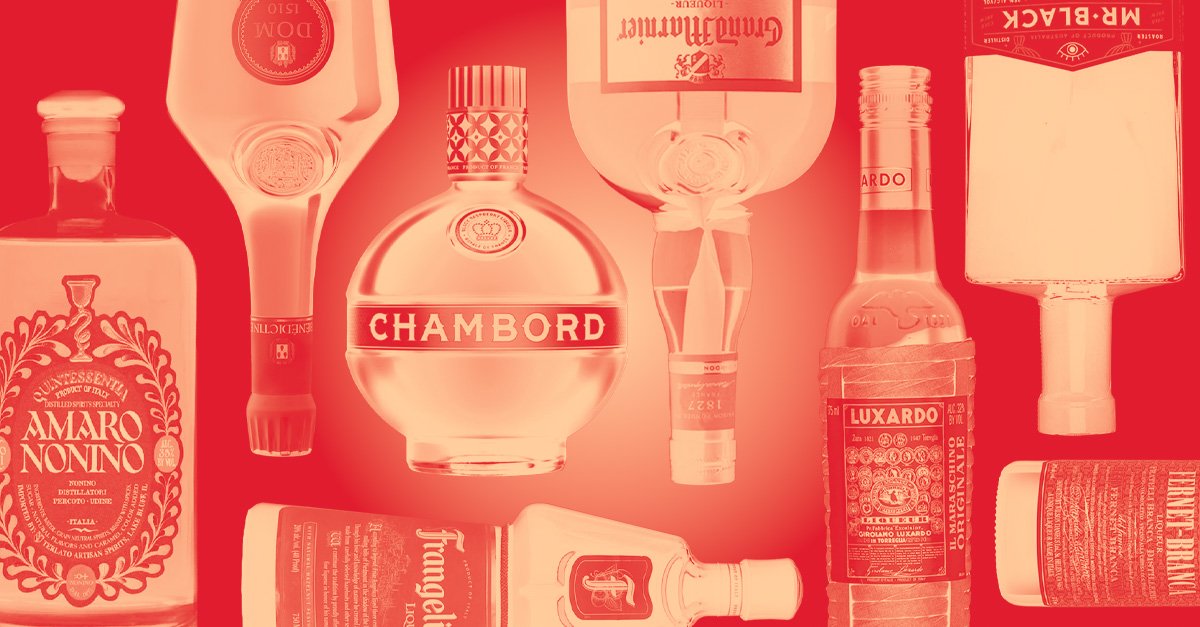
When ordering a classic cocktail, drinkers can anticipate how the beverage will likely taste. But as more craft cocktail bars open and drink programs lean into bespoke recipes, predicting the flavor of an unfamiliar menu item becomes a bit more difficult. Rather than relying on previous experiences with well-established concoctions like the Negroni or Old Fashioned, drinkers must consider the ingredients in each drink and imagine how they might taste when mixed together.
Understanding a cocktail menu with offerings other than the classics requires a basic knowledge of the liqueurs that go into each beverage. To read a cocktail menu with confidence, it’s important to familiarize yourself with the most prevalent liqueurs used at bars. That may seem like an overwhelming task, but we’re here to help. We’ve collected the most common liqueurs and explained the history, flavor profile, and typical uses of each one.
Absinthe
Absinthe hit its peak in Europe at the turn of the century when it was common to sip it straight after slightly diluting it with water and sugar. Then came a wave of anti-absinthe propaganda — largely catapulted by the French wine industry, who’d feared absinthe’s growing popularity would outpace that of its own products — that claimed the spirit had hallucinogenic properties and could turn people manic, among other fear-mongering assertions. Because of that, absinthe has been outlawed and relegalized in some countries, including the U.S. Its ABV can range from 45 to 75 percent, and its robust — to some, off-putting — flavors of anise and wormwood match that strength. While not technically a liqueur, absinthe is an important ingredient on cocktail menus, as bartenders often use the spirit as a simple spritz to kiss the inside of a cocktail glass before adding in the rest of the ingredients, incorporating a subtle, boozy, and vegetal element to drinks like the Sazerac and Corpse Reviver No. 2.
Amaretto
Don’t Miss A Drop
Get the latest in beer, wine, and cocktail culture sent straight to your inbox.
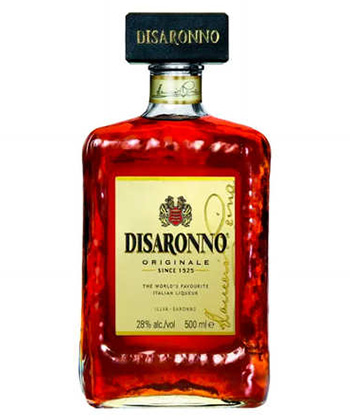
Amaretto is an Italian liqueur with a rich, sweet, almond flavor — so much so that many drinkers mistakenly assume almonds are its base. But producers actually use the pits from stone fruits (usually apricots and peaches), whose contents deliver that nutty essence. The pits are steeped in a base spirit, such as brandy, and sweetened with caramel. For a more herbaceous profile, some makers may include herbs and spices. Popular brands include Disaronno, Lazzaroni, and Luxardo. Amaretto is common in the namesake Amaretto Sour as well as less nut-forward cocktails like the Godfather and the French Connection.
Amaro Nonino Quintessentia
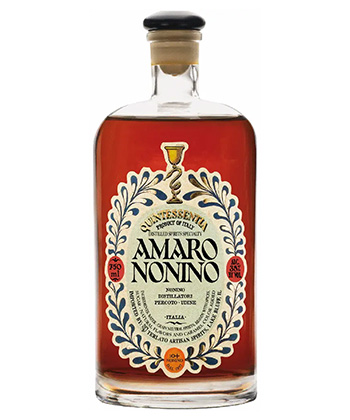
Amaro Nonino Quintessentia — often abbreviated as Amaro Nonino on menus — is the flagship amaro from the producer Nonino. The brand was founded in Friuli, Italy, in 1897, and its grappa-based amaro has since become a mainstay on bar shelves in the U.S. Where other amari are bold in flavor and unctuous in body, Amaro Nonino delivers a more inviting, entry-level flavor profile. It both brightens and mellows out cocktails with its orange peel taste and a velvety, caramel quality. This popular amaro is most notably found in the Paper Plane, though it welcomes blending with a range of spirits.
Aperol
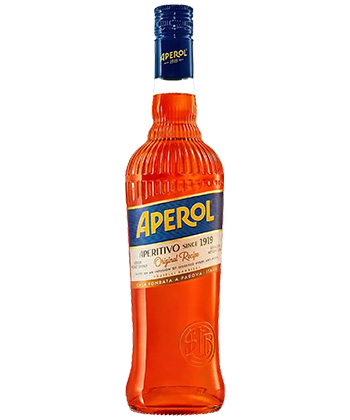
In 2026, you’d be hard-pressed to find someone of drinking age who hasn’t heard of Aperol. The aperitif was released in 1919, but it has only recently courted drinkers in the U.S. — where it was introduced in 2006 — primarily with the Aperol Spritz, a bitter, bright, and bubbly sipper that seems to appear on every al fresco table during the summer. Aperol is lauded for its low ABV and corresponding sessionability: The flavor profile leans sweet and citrusy. The Aperol Spritz is far and away the most popular way to use the liqueur, but the neon-colored spirit can also be found in popular cocktails like the Paper Plane and the Naked and Famous.
Bénédictine
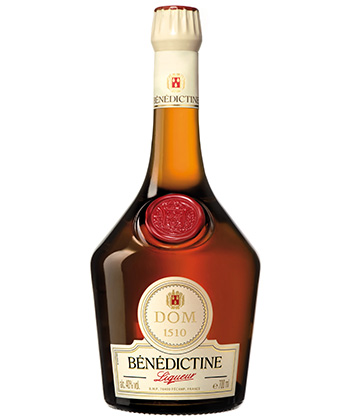
Bénédictine is an herbal liqueur from Normandy, France. Its recipe, which some say dates back to 1510, remains mostly a secret, but it is known to include 27 medicinal botanicals and spices, including angelica root and saffron. While often compared to Chartreuse, Bénédictine brings a honey-forward flavor and slightly viscous texture. The French herbal liqueur is most commonly seen in the Vieux Carré and the Singapore Sling, but its sweet, herbaceous flavor profile makes it suitable for mixing with a variety of spirits.
Campari
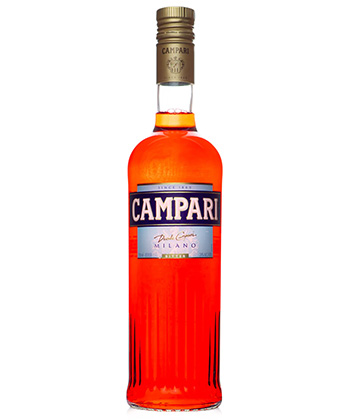
Campari is Aperol’s bolder, more bitter counterpart. This red, Italian aperitivo is one of the most ubiquitous liqueurs, largely due to its versatility: Campari is at once hefty and zippy, meaning it can both round out and brighten up any drink. It’s found in the eponymous Campari Spritz, but the liqueur is most known for its vital inclusion in the ultra-popular Negroni and its offshoots like the Boulevardier and Sbagliato.
Chambord
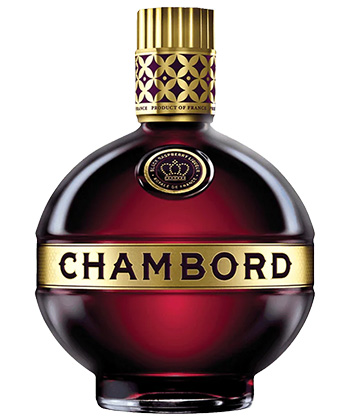
Chambord is a raspberry-flavored liqueur that debuted in 1981. Its makers took inspiration from a 17th-century recipe from the Loire Valley, and the result is named after a famous chateau in the region. The current production process involves twice-macerating the raspberries in a neutral spirit and then pressing the fruit for additional juice. From there, cognac, vanilla essence, and citrus peel oils are added to complexify the flavor. Chambord is best known for its inclusion in the French Martini, where it’s combined with vodka and pineapple juice, but in other cocktails, Chambord brings sweet, fruity characteristics.
Chartreuse
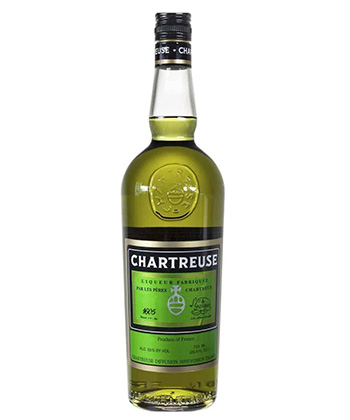
Most cocktail drinkers have probably heard of Chartreuse and can recognize it on any bar shelf. After all, the liqueur’s color is so iconic that it’s synonymous with its particular shade of green. But what actually goes into the liqueur is a bit less clear. Chartreuse is an herbal liqueur that Carthusian monks craft in the French Alps. Its primary ingredient is the native Alpine herb génépy, which, in addition to a number of auxiliary herbs, brings a rich, sweet, and botanical quality. Chartreuse is the base liquor in a number of standardized cocktails like the Last Word and the Bijou. The brand also offers a yellow variety, which is subtler in flavor and often found in the Alaska and the Naked and Famous.
Cointreau
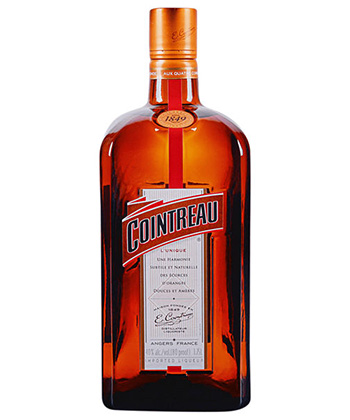
Cointreau is one of the most popular versions of triple sec, an orange liqueur with a dry flavor profile and an alcohol content that can fall anywhere from 30 to 80 proof. Cointreau in particular is crafted with orange peels from fruit grown in Brazil, Ghana, Senegal, Spain, and Tunisia. It offers a bright, crisp, and smooth orange flavor and is found in a number of classic cocktails — such as the Cosmopolitan, Margarita, and Sidecar — where it tends to be mixed with other citrus-flavored ingredients.
Cynar
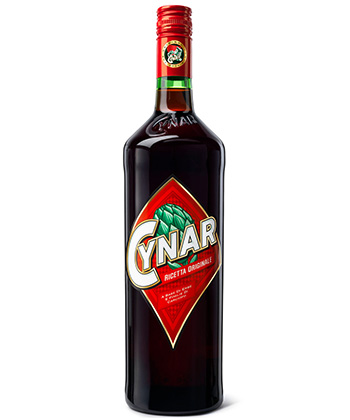
Cynar is an Italian amaro made from artichokes. While its base notes are earthy and vegetal, Cynar undoubtedly tastes like an amaro. Expect notes of baking spice and winter herbs to dress up the foundational flavor. It debuted in 1952 when it took off as a digestif to be sipped neat or mixed into a spritz, but Cynar’s frequent use in cocktails didn’t arrive until the modern cocktail renaissance, which bore drinks like the Little Italy and the Art of Choke.
Fernet-Branca
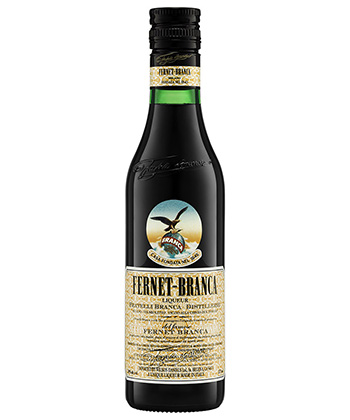
Fernet-Branca — commonly called just Fernet — is known to be bartenders’ favorite liqueur. The Milan-hailing spirit is an amaro known for its herbal, medicinal taste. While its 27 ingredients are undisclosed, the headlining flavors are mint, wormwood, and gentian. Wormwood tastes earthy like forest floor and autumnal herbs, and gentian brings a zippier, more bitter earthiness. Fernet has recently become the latest cool-kid spirit, but it’s been appearing in cocktails for decades. The amaro is notably included in the Hanky-Panky and the Toronto, where it brings the subtle syrup flavor typical of amaro along with notes of cooling mint.
Frangelico
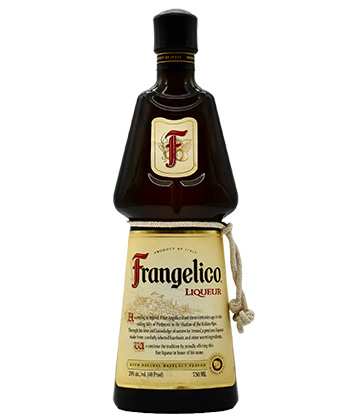
Frangelico is a hazelnut-based liqueur from Italy’s Piedmont region, where hazelnuts grow in abundance. The liqueur was first crafted by Piedmontese monks, which is why the shape of its bottles resembles one. The spirit brings notes of roasted nuts, baking spices, and sweet cream, and as such, it tends to appear on menus in the fall and winter.
Grand Marnier
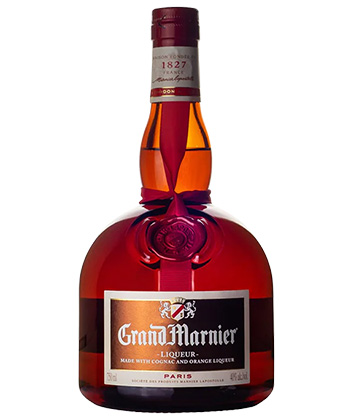
Grand Marnier isn’t quite triple sec, but it does fall within the orange liqueur category. The spirit, which was created in 1880, is a mixture of cognac, bitter orange essence, and sugar. While similar to Cointreau, the heavy inclusion of cognac — an unctuous, grape-based spirit — means its flavor leans sweeter.
Lillet
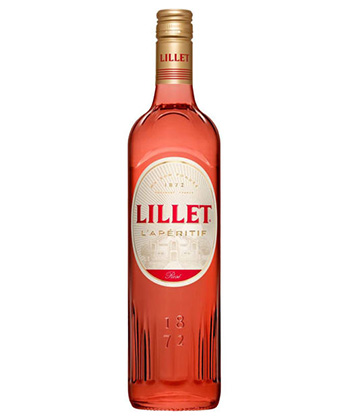
Lillet is an aperitif made from aromatized wine. Whereas similar fortified wines like vermouth are flavored with herbs and wormwood, Lillet uses neither of those. Instead, it is mainly aromatized with orange cordial, creating a citrus-forward flavor that can brighten up any cocktail. It is most famously used in the classic Vesper and the Corpse Reviver No. 2, but when added to craft cocktails, Lillet will bring a light, fruity taste.
Maraschino Liqueur
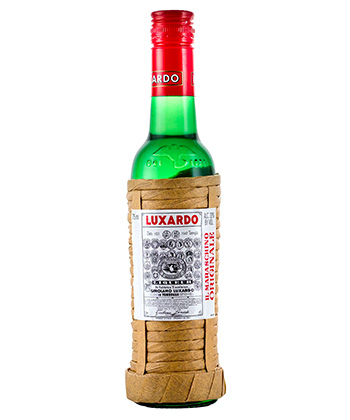
Maraschino liqueur is tart and nutty with undertones of vanilla and chocolate. Luxardo, one of the category’s most popular brands, originates from Italy. While the brand offers additional flavors and other products, “Luxardo” has become synonymous with the flagship cherry liqueur. It’s syrupy in texture, giving cocktails a mouth-coating body. Since the distillery’s 1821 founding, the liqueur has become a mainstay on back bars across the world as it’s included in a slew of classic cocktails like the Last Word, the Martinez, and the Aviation.
Midori
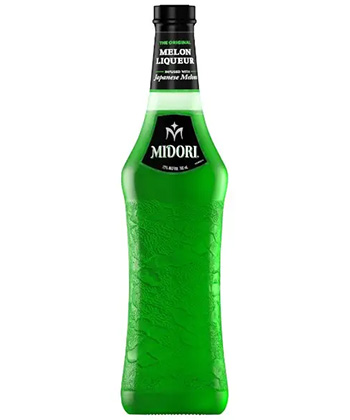
Midori, a Japanese melon liquor, debuted in the U.S. in 1978 and exploded in popularity the following decade at disco bars and nightclubs — understandably so, given its neon-green hue. The liqueur is made from two melons that are only cultivated in Japan. The initial versions tasted of overly syrupy, saccharine honeydew, but Midori underwent a reformulation in 2012 when its producers removed some artificial flavorings in favor of a more balanced, finessed sweetness. In both its original and current forms, the Midori Sour is the most classical use of the liqueur.
Mr Black
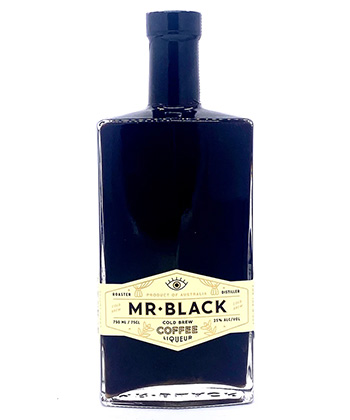
Mr Black is a coffee liqueur that originated in Australia. Despite its relatively recent founding in 2013, it is now one of the most popular cocktail ingredients across the world — likely due to the recent surge in popularity of the Espresso Martini. Behind the headlining notes of coffee, this liqueur delivers roasted, robust flavors of chocolate and nuts.
Pastis
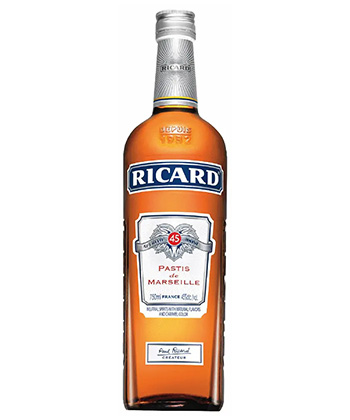
Similar to absinthe, pastis is in the anise-flavored liqueur family. Unlike its green-colored counterpart, however, pastis takes a much lighter, restrained approach to the anise, a result of the deliberate choice to exclude wormwood. Traditionally, the spirit gets the louche treatment — water is added and, after combining with the many essential oils, produces a cloudy appearance and milkier texture — before being sipped over ice. Now, bartenders include pastis in cocktails for a less intense fennel and licorice flavor than what absinthe has to offer.
St-Germain
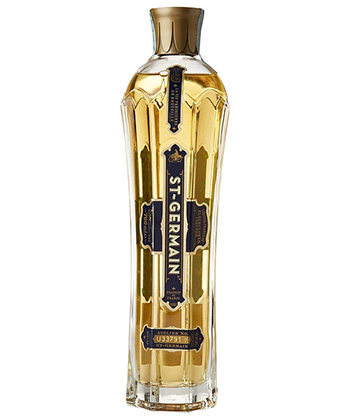
St-Germain is an elderflower liqueur with a pale yellow color. While many of today’s most popular liqueurs were created in the 19th and 20th centuries, this one wasn’t introduced until 2007. The spirit’s flavor is floral and sweet, which is reinforced by its syrupy viscosity. It courted the palates of many drinkers after the rise in popularity of the Hugo Spritz, a sessionable sipper that’s much less piquant than other well-known spritzes.
Suze
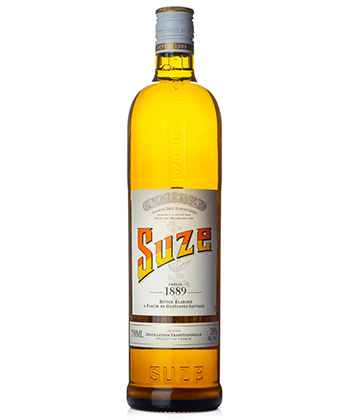
Suze is a French aperitif with a base of gentian, a plant cultivated in mountainous regions around the world. The gentian roots for Suze — as well as Saler’s, a similar product — come from the French Alps. Gentian root liqueur brings intensely bitter, fresh, earthy, and herbaceous flavors. Its use has seen an uptick in recent years, likely caused by the boom of the White Negroni.
Velvet Falernum
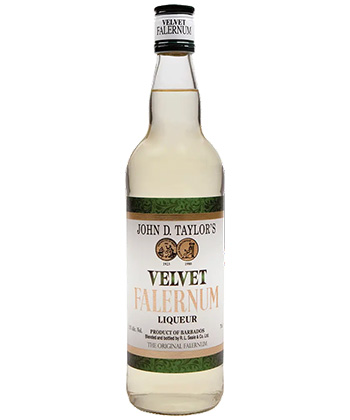
Velvet Falernum is a rum-based liqueur fortified with botanicals like lime peel, almonds, and autumnal spices. Falernum is a common substitute for simple syrup in drinks, as it brings a low alcohol content (around 11 percent) and a fruity, zesty sweetness. It’s often described as the “triple sec of rum” as it’s essential in tiki drinks like the Pearl Diver and other tropical cocktails like the Three Dots & a Dash and the Zombie.



