
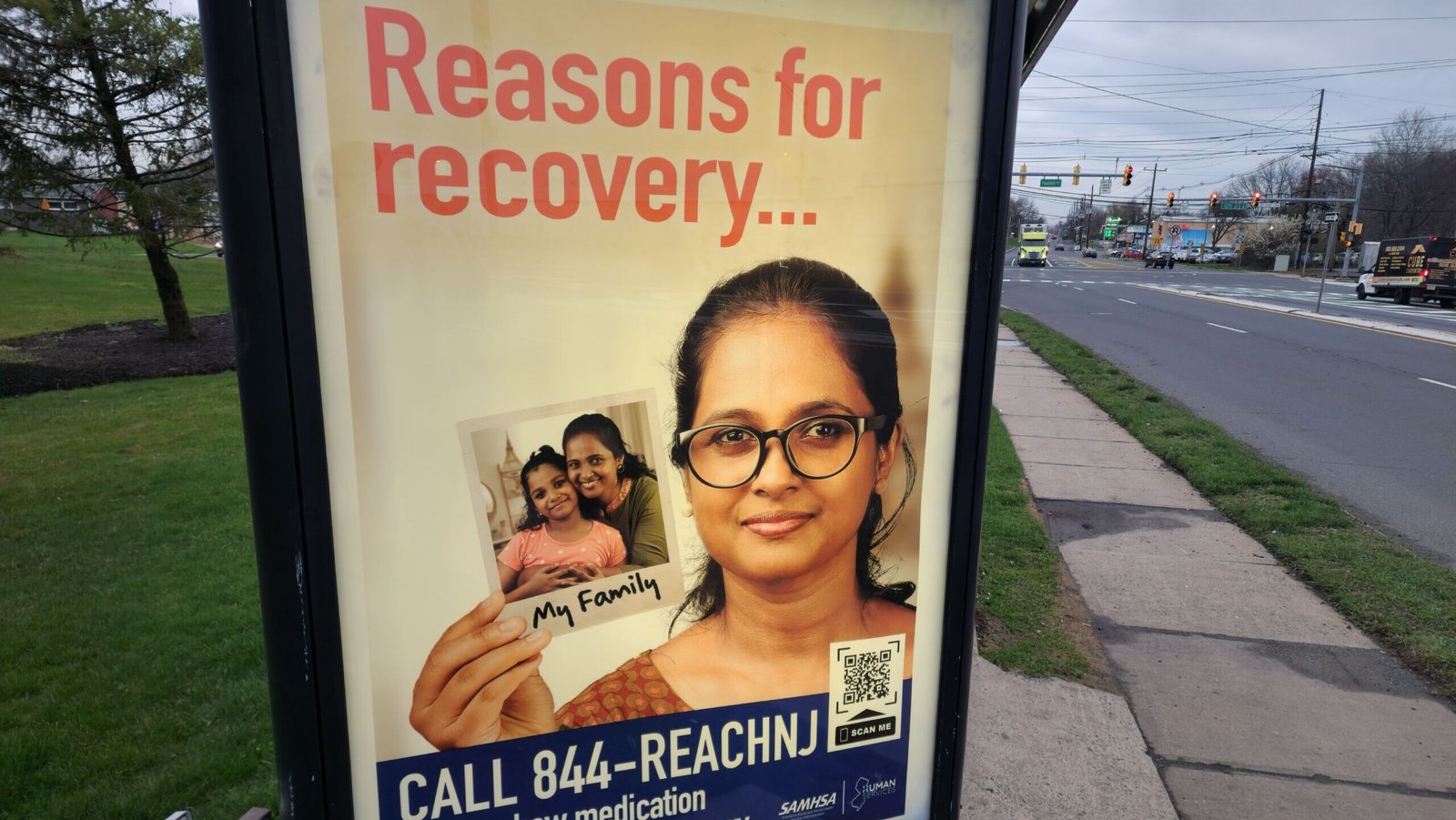
 When a loved one experiences a mental health or substance use crisis, most families do not know where to turn. Too often, the only options are an overcrowded emergency room, a 911 call — or no care at all — until the situation becomes even more serious.
That is a challenge facing communities across New Jersey, regardless of political party, geography or income level.
More than 1 million New Jersey residents live with a diagnosed mental health condition. Suicide remains the second-leading cause of death among children and young adults in our state. At the same time, calls to the 988 Suicide & Crisis Lifeline in New Jersey increased by 89% from 2022-2024, showing both expanding need and growing public trust in such services.
New Jersey has made meaningful progress in building a modern behavioral health crisis response system. Today, people in crisis can call 988 and connect with trained counselors. Mobile crisis outreach response teams respond directly in communities, help de-escalate emergencies and connect people with treatment and support.
But one critical piece of the system remains incomplete: a safe place for people to go during a behavioral health crisis.

That is the role of Crisis Receiving and Stabilization Centers.
Short-term care
These centers provide immediate, short-term care for people experiencing acute a mental health, substance use or suicidal crises. They are designed specifically for behavioral health emergencies, offering stabilization, assessment and treatment in a calm, secure setting that is far more appropriate than a crowded emergency department.
Importantly, these centers also help the entire health care and public safety systems function more effectively.

They reduce unnecessary emergency room visits, ease pressure on law enforcement, lower avoidable hospitalizations and help people receive care before a crisis escalates into tragedy. For families, they provide something invaluable: a haven in a moment of fear and uncertainty.
Knowing these services are essential to families, communities and the long-term strength of our health care system, we introduced legislation establishing a dedicated funding stream for New Jersey’s behavioral health crisis system of care.
That is also why we are advocating for an additional $35 million in the state budget to support this infrastructure fully, including five regional crisis centers that are ready to open but require operational funding.
The proposed budget supports 988 and mobile crisis teams. Fully funding the stabilization centers would complete the crisis response system that New Jersey has spent years building, ensuring that every part of the system works together when people need help most.
This is not only compassionate policy, but also smart, fiscally responsible policy as well.
Avoiding the hospital
Other states have shown that robust crisis systems improve outcomes while reducing strain on hospitals, law enforcement and taxpayers.
In Arizona, most people who receive crisis stabilization services return home the next day rather than enter a hospital. The state found that a $100 million investment in crisis services avoided an estimated $260 million in psychiatric inpatient costs. In Dutchess County, N.Y., investments in crisis response contributed to a 40% reduction in jailed populations.
New Jersey’s emergency departments handle at least 160,000 visits annually related to mental health and substance use conditions. Emergency rooms were never designed to serve as the front line of behavioral health care, yet too often they have become exactly that because families have nowhere else to go.
A recent visit to one of New Jersey’s soon-to-open crisis centers showed what these facilities can provide: immediate care, professional support and a pathway toward recovery for people in crisis.
These centers are not luxuries. They are essential infrastructure for a modern health care and public safety system.
Every New Jerseyan should be able to get help quickly during a behavioral health emergency — with someone to call, someone to respond and a safe place to receive care.
Completing that system is a smart investment in the health, safety and well-being of New Jersey families.



