
A microscopic parasite that can cause weeks of diarrhea and other illness is spreading across the country. More than 1,600 people have fallen ill nationwide, and health officials have yet to identify which foods are the cause.
In New Jersey, roughly 80 cases have been reported. That is not enough to be considered an outbreak, health officials say, though they are calling for consumer precautions at the height of the summer produce season.
The parasite responsible, cyclospora, infects the small intestine via contaminated food or water. Symptoms typically appear seven to 14 days after exposure and can include explosive diarrhea, bloating, cramping, fatigue, loss of appetite and mild fever.
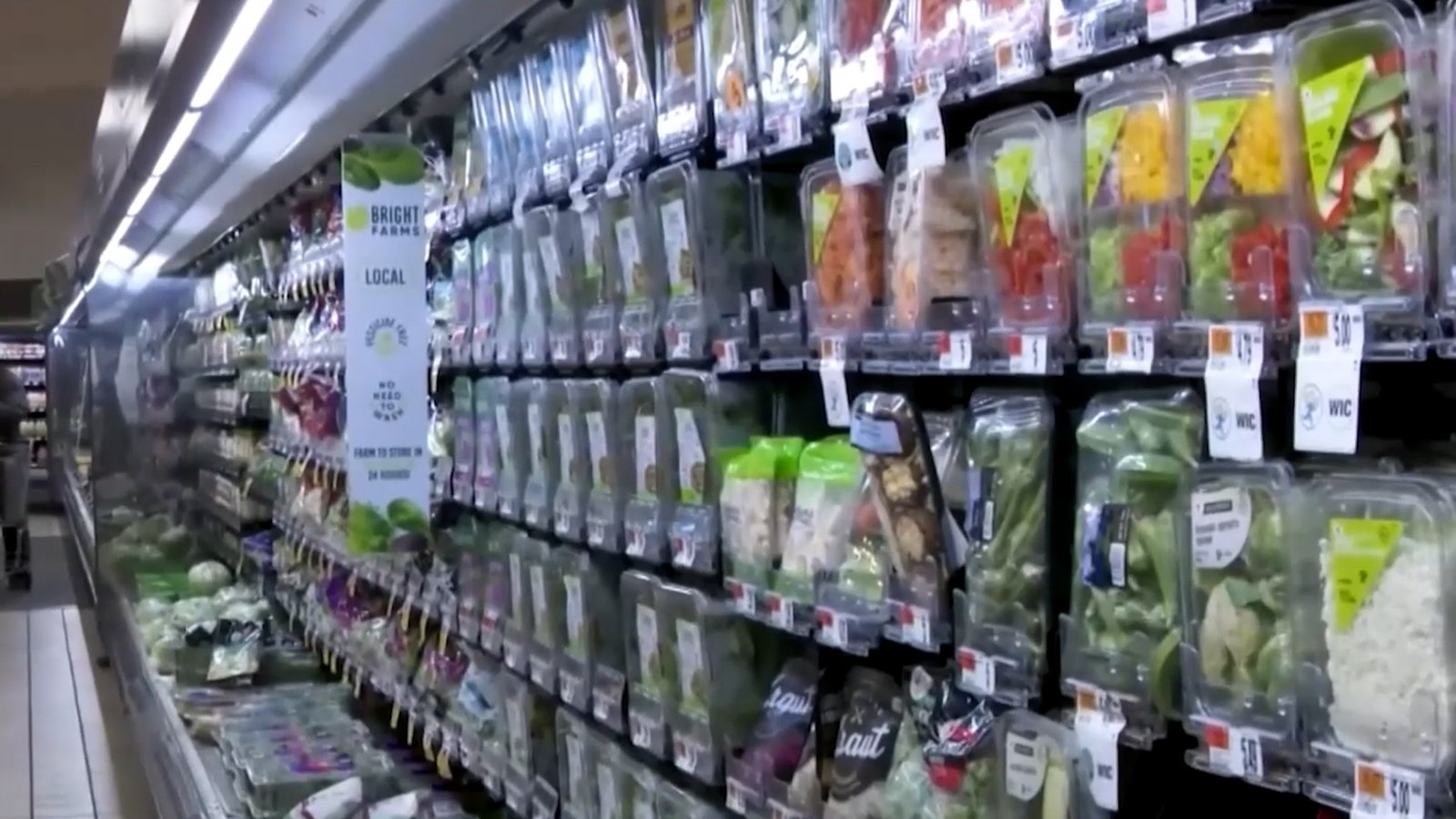
Past cyclospora outbreaks have been linked to fresh produce, according to Stephanie Silvera, an epidemiologist and chair of the Department of Public Health at Montclair State University. For now, she said, avoid packaged salad mixes, vegetable trays, raspberries, blackberries and snap peas. Washing produce, even with vinegar, is not reliable, Silvera said.
The least risky options are foods that can be peeled or heated to at least 158 degrees.
“The biggest issue with this is that if left untreated, you can have symptoms for up to six to seven weeks, and there are times when your symptoms will seem to recover and then will return,” said Stephanie Silvera,
Weak safety net
The only way to confirm cyclosporiasis is via a stool test, Silvera said. The illness is treatable with the prescription antibiotic Bactrim.
Water loss is the biggest danger, so staying hydrated is key, she said. Very young children, older people and anyone who is immunocompromised is at higher risk “for having some more severe outcomes,” she said.
Investigators have yet to identify the source of the outbreak, which spans 34 states. At least 5,000 cases are under review.

Silvera said New Jersey’s approximately 80 cases are likely an undercount. In July 2025, the Centers for Disease Control and Prevention scaled back its Foodborne Diseases Active Surveillance Network, known as FoodNet, cutting the number of actively monitored pathogens to two from eight. Cyclospora was among those dropped.
“There has been a dismantling of a public health system that was working and was efficient and was effective,” Silvera said. “That is having widespread impact not just on people who are getting sick, which is obviously very important, but we’re looking at the impact that this is having on food suppliers, not knowing where the outbreak came from, not being able to tell people specifically which foods to avoid.”
She warned the loss of tracking carries a broader effect: “There’s also an undermining of public trust in our food system, which I think can be very dangerous long term.”



