
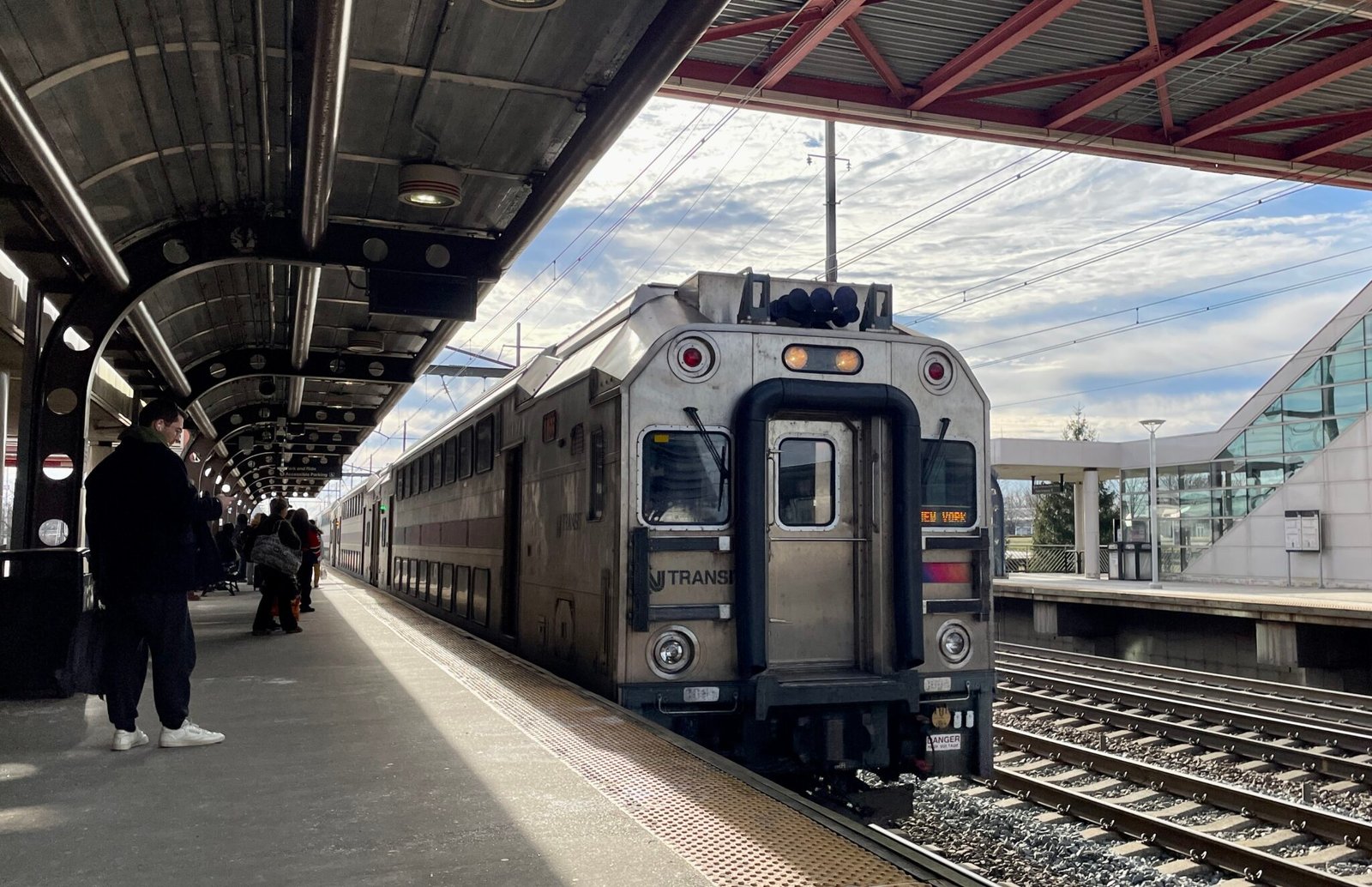
NJ Transit’s board approved $3.5 billion in spending for the fiscal year that began July 1, the largest operating budget in the agency’s history.
The new budget represents an 11% increase over the one approved last year and comes after 12 months of fiscal headwinds that saw the collections from the agency’s dedicated revenue source tumble and its spending on labor and benefits surge beyond expectations.
“This governor is the only governor in recent memory who has given us an 11% increase in budget. I don’t know when the last time that happened,” said NJ Transit CEO Kris Kolluri. “That is how you begin to put the pieces together for this agency to make sure we do it.”
The agency’s fiscal 2027 budget maintains the patchwork of funding sources that have paid for buses, trains, and light rail cars across the state for years.
State subsidies, whether through a direct appropriation from New Jersey’s general fund or via collections from a special corporate business fee statutorily dedicated to NJ Transit, are expected to account for a majority of the agency’s revenue in the current fiscal year.
Combined, NJ Transit expects to receive nearly $1.07 billion from New Jersey’s coffers, including a $302.2 million direct subsidy and $765.6 million in revenue from the corporate transit fee, a 2.5% non-marginal corporate business tax surcharge on businesses with more than $1 million in income.
The direct subsidy is significantly higher than the $43.9 million subsidy approved as part of last year’s budget, but that subsidy grew to $230.6 million as a slump in corporate tax collections drove down revenue from the corporate transit fee. That fee is set to expire, by law, at the start of 2029.
Fare revenue, traditionally the largest single source of funding for NJ Transit, is expected to remain level with last year’s projections at $980 million. Collections from fares undershot their revenue target by about $48 million last fiscal year.
Since an initial 15% fare hike following a board vote in 2024, NJ Transit’s fares have automatically increased by 3% each year, rises officials have said are needed to fund the agency as it seeks to boost reliability after years of disinvestment.
Transit advocate Adam Reich noted on Thursday that state statute required 10 public hearings — and no more than one in a given county — before raising fares.
“If Gov. Sherrill’s going to insist that she’s transit obsessed, certainly taking the most rider-friendly view of the statute is absolutely critical,” Reich said. “It doesn’t mean New Jersey Transit can’t raise fares every year. It doesn’t mean they can’t necessarily follow a 3% plan, but it just means that riders at least be heard before we do that.”
The board’s vote approving both the one-time 15% increase and the 3% annual hikes followed numerous public meetings. The agency has argued that it does not need an annual vote to raise fares as a result.
Reich said they might be able to raise them further if they asked riders.
“Maybe we’d rather pay a little more but see service improvements or at least service stability instead of service cuts, as we did on May 31,” he said
An annual diversion from New Jersey’s clean energy fund will remain level at $140.1 million, while a yearly transfer from the New Jersey Turnpike Authority under an agreement struck under former Gov. Phil Murphy will send the agency $485 million, up from $470 million last year.
NJ Transit paid nearly $103 million more for labor than it expected last year, and its spending on fringe benefits came in $70.5 million above budget. The agency faces a range of cost increases that outpace the rate of inflation.
“The costs are real,” said Kolluri, who also heads the Turnpike Authority. “I know people don’t want to understand or care because they are frustrated sometimes when their train is canceled. I understand it, but the fact that the labor contracts cost $55 million more than they did last year is a fact.”



