
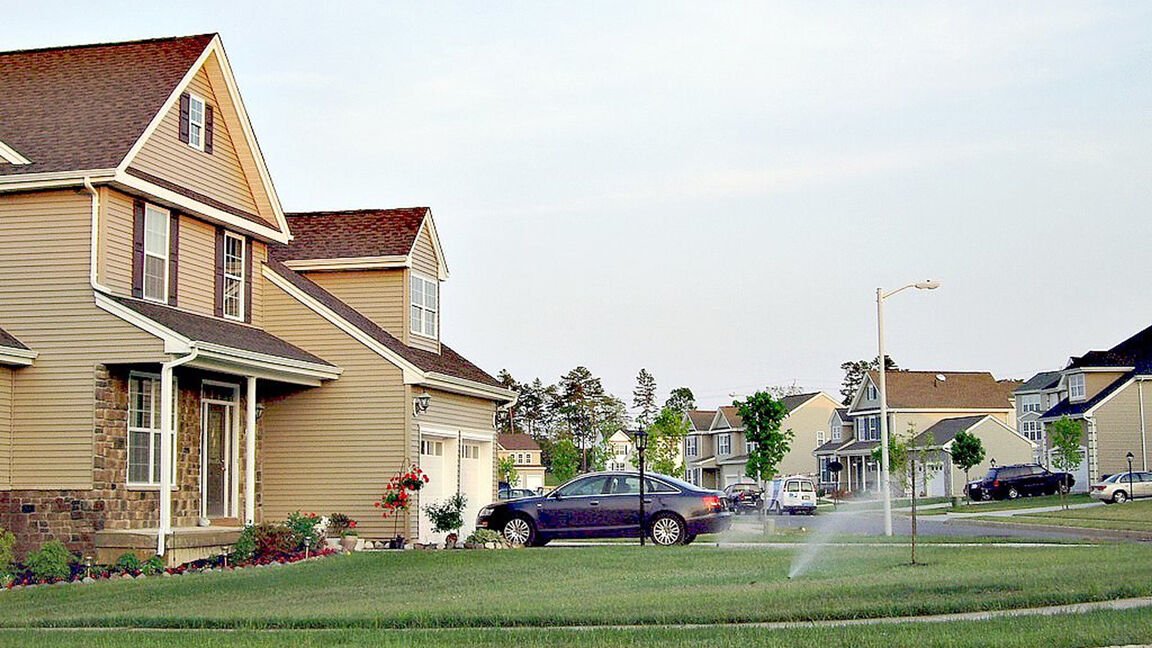
 Gov. Mikie Sherrill’s administration has begun distributing a round of state-funded property tax relief to eligible senior and disabled homeowners.
An estimated 188,000 homeowners who submitted applications before May 1 are now receiving the first Senior Freeze payments, according to the Department of the Treasury’s Division of Taxation.
The benefits are funded from the more than $4 billion set aside for direct property tax relief programs, including Senior Freeze and Anchor, in the nearly $61 billion state budget approved by Sherrill and lawmakers on June 30.
Need answers?
More information about the state-funded relief programs is available at the Division of Taxation’s website. Assistance for Senior Freeze benefits is available at 1-800-882-6597.
Eligible homeowners who applied before June 1 will begin receiving benefits in early September, and those applying before Sept. 1 will begin receiving benefits in early November.
Anyone applying after Sept. 2 will begin receiving payments in December, according to the Division of Taxation’s payment schedule.
The Senior Freeze application deadline is Nov. 2.
The Senior Freeze program is officially called Property Tax Reimbursement in state tax law. It gets its nickname from state-funded checks sent annually to hundreds of thousands of senior citizen and disabled residents to offset any local property tax increases, thus “freezing” those bills.
The average New Jersey local property tax bill last year rose $475, according to state data, to help fund services like K-12 public schools and police and fire departments. The annual average hit a record-high $10,570.
Income limits
To qualify for Senior Freeze, which dates to 1997, homeowners must be at least 65 years old or disabled. They must also have owned their home for at least three years as of Dec. 31, 2025.
The income limit for the 2025 tax year was $172,475. For the 2024 tax year it was $168,268.

This year, Sherrill and lawmakers allocated $345 million to cover Senior Freeze benefits paid to newly eligible and repeat recipients.
Benefits for new recipients are expected to average $333, according to state budget documents. Repeat recipients will receive an average $834.
Also operating under the Nov. 2 application deadline are the Anchor and Stay NJ programs, which also provide direct relief to seniors, including some renters via Anchor.
Seniors can apply for all three programs using a combined application called PAS-1.
Homeowners earning up to $250,000 annually as of last year, and renters earning up to $150,000 annually, are eligible forAnchor. Distribution of Anchor benefits typically occurs in late summer.
Fine print in the fiscal year 2027 state budget restricts Stay NJ to seniors earning no more than $200,000 annually, rather than the prior ceiling of $500,000. And some remaining Stay NJ recipients eventually may see their quarterly benefits reduced due to other changes enacted by Sherrill and lawmakers.
This includes reserving the $6,500 maximum Stay NJ benefit for senior homeowners with annual incomes of $100,000 or less, according to budget documents.
The recent changes reduced Stay NJ’s budget allocation to $756 million from more than $1 billion. The budget for Anchor, shorthand for Affordable New Jersey Communities for Homeowners and Renters, totals nearly $2.2 billion.
The more than $4.1 billion budgeted for the direct relief programs is a record amount, according to the Sherrill administration.
This story is made possible in part by the Corporation for Public Broadcasting, a private corporation funded by the American people.



