
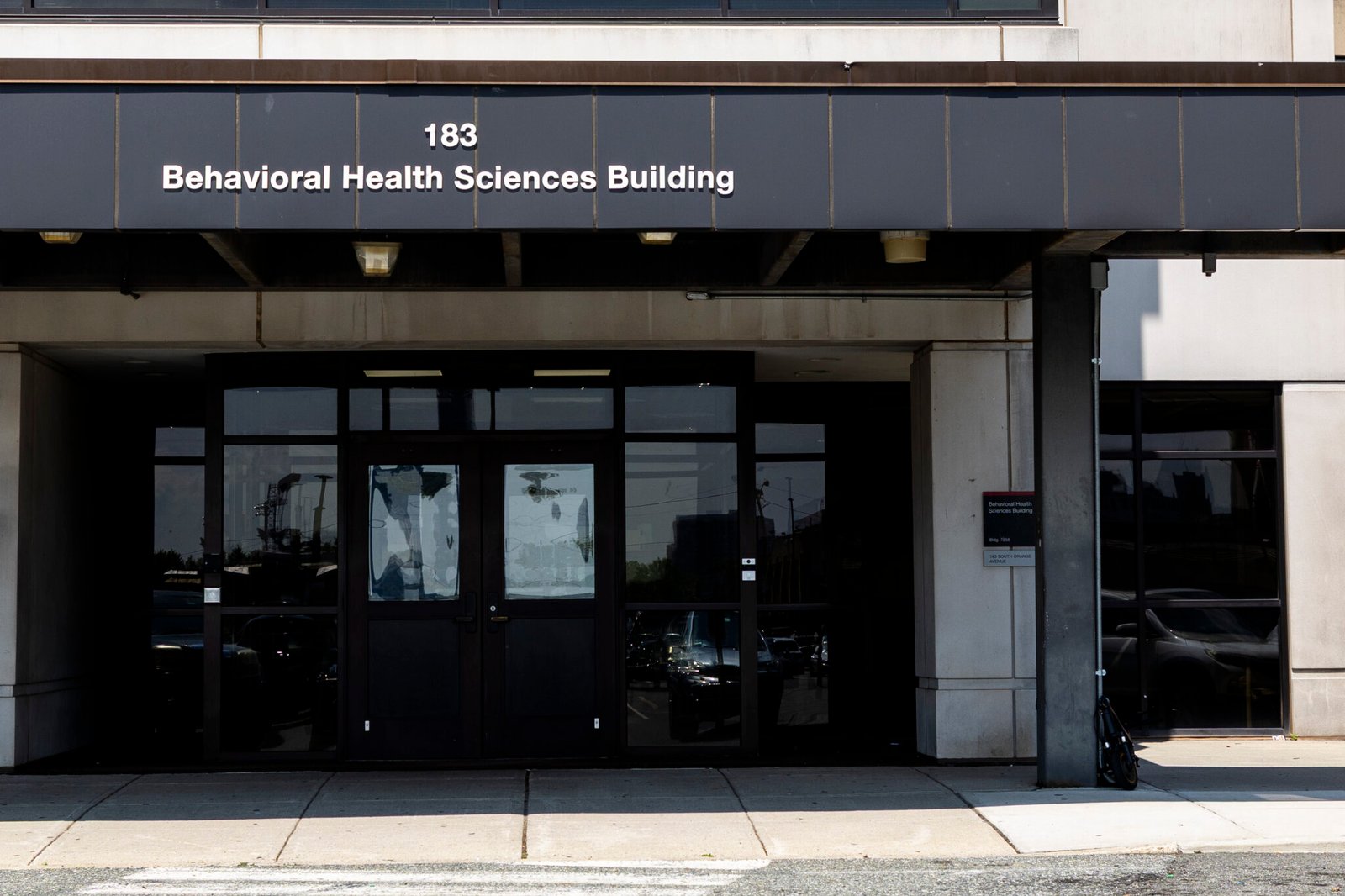
State government officials in the spring celebrated the pending opening of two crisis response centers, places where adults in a mental health emergency can get counseling, medication, and be linked with long-term treatment while decompressing for up to 24 hours.
But a lack of funding means the sites, in Essex and Bergen counties, have yet to welcome patients, and it’s not clear when they will.
A timeline for three other crisis centers initially scheduled to open this summer in Camden, Monmouth, and Morris counties also remains a mystery.
Brigitte Johnson is president and CEO of Care Plus NJ, the mental health organization behind the Bergen County location in Paramus.
“We’re stuck in limbo. That’s the most frustrating thing,” Johnson said. “Other states have solved this issue and come up with levels of sustainability. So we need that kind of effort, and I can’t say that it’s not happening, but it’s been a long process.”
The drop-in centers are the third and final element in the 988-crisis response system the state has developed since the three-digit crisis hotline was established nationwide in July 2022. The hotline is aimed at people considering suicide, struggling with addiction, or otherwise dealing with mental health issues.
Since it launched, calls to the hotline have tripled in New Jersey to more than 180,000 annually, and state officials expect to log more than 240,000 requests for help this year, according to the state Department of Human Services, which oversees the program.
The state also created mobile response teams in all 21 counties that can visit callers in person to help triage psychiatric or substance-related crises, groups that were dispatched more than 1,300 times since March 2025, the department said.
In 2024, the department launched the final part of the 988 system, issuing $37 million in grants to five mental health organizations, including Care Plus, to create the crisis centers. The centers are supposed to operate 24/7 and accept drop-in visitors, referrals from other organizations, and people transported there by police. Treatment will be available regardless of someone’s ability to pay.
“How do you create a system but leave the most important part of it out? You know you need a place for people to go. And we have it, and we’re ready to open a door, but we need the funding,” Amie Del Sordo, Care Plus executive senior vice president for crisis and community services, told the New Jersey Monitor.
Care Plus has invested $1 million of its own funds in the project, Del Sordo said, and the state still owes it money for costs accrued in the last fiscal year, in addition to funding to open the doors. The organization renovated the back half of its Paramus headquarters, displacing several existing programs, and has hired a leadership team and medical director, but paused recruiting for other positions until the funding is settled, she said.
The $60.7 billion state budget Gov. Mikie Sherrill signed in late June includes almost $29 million for the suite of crisis response programs, which is slated to cost some $71.4 million in total over the next 12 months, according to a non-partisan legislative analysis. With the state money allocated for the hotline and mobile response and a sharp decline in the federal grants used to build the system, the analysis shows New Jersey needs an additional $29 million-plus to open and operate all five centers this year.
“The centers will literally save lives — that’s not an exaggeration — from the initial 988 call to the emergency mobile response to the crisis centers. All three elements complete the continuum. Anything less is a mistake,” state Sen. Joe Vitale (D-Middlesex) told the New Jersey Monitor.
Vitale, the chair of the Senate health committee, has outlined plans for legislation requiring the state to find $35 million to open the centers this year, after lawmakers’ efforts to add the program into the current budget fell flat. He is also championing a bill that would create a sustainable funding source for the entire 988 system by adding a 40-cent fee to all telephone lines, something done in multiple other states, but the bill has largely stalled.
“The center also must be added as a permanent budget line going forward. They are too critical to have to negotiate their priority every year,” Vitale said.
Maggie Garbarino, a spokesperson for Sherrill, said the administration remains committed to providing “robust mental health services and supports,” including through the 988 system. She declined to say if or how the work would be funded.
“Looking ahead, and especially as federal funding available for this work changes, the Administration is looking at all options to sustain and grow the network of tools for individuals and families in crisis to call for risk-appropriate response and quality behavioral healthcare,” she told the New Jersey Monitor in an email.
Eva Loayza-McBride, spokeswoman for the human services department, said officials there are also committed to identifying funding for the “critical” third and final component of the crisis response system. The agency also supports crisis diversion homes, short-term residential facilities launched in 2024 in Warren, Mercer, and Gloucester counties, she said.

Stephen Cha, the human services commissioner, joined leaders from University Hospital and Rutgers Health’s University Behavioral Health Care group in late March to cut a ribbon in the Essex County crisis center, which shares space with UBHC on a Newark campus that includes the hospital and Rutgers New Jersey Medical School facilities.
The space is equipped with lounge chairs, tables, and private screening rooms where people in crisis can talk to clinical experts and peer-support professionals. It is also stocked with medications to treat mental health issues, addiction, and common physical health concerns like diabetes and high blood pressure.
Jennifer Hughes, CEO of NAMI NJ, an advocacy organization for mental health services, said the chaos of an emergency room can exacerbate a person’s symptoms, while crisis centers are designed to have a more calming effect.
“It’s important to really understand what the person’s going through, what they’re feeling, what they’re doing, and having that person-centered care,” Hughes told the New Jersey Monitor, adding, “When someone’s in crisis and they end up in an emergency room, it’s because there’s nowhere else to go.”
More than 700 people died by suicide in New Jersey last year, an increase from 2024, according to state data, and more than 80,000 were screened for serious psychiatric issues. More than 13% of adults here said they were depressed in 2025, according to America’s Health Rankings data for New Jersey.
Del Sordo, with Care Plus, said she regularly gets requests from people who need help, recalling an email she received Thursday with a subject line “urgent.” A family had a loved one who was spiraling, but they worried about taking the person to the emergency room.
She said they were able to get help for that person, but if one of the crisis centers had been open, “they could have walked right in.”
“These are situations that are happening daily, where folks are left to turn to an ER,” she said.
Carolyn Beauchamp, president and CEO of the Mental Health Association in New Jersey, a statewide advocate and service coordinator, said without the crisis centers, we are once again treating mental illness as a “stepchild” to other medical concerns.
“Without them, hospitals will continue to be repositories for those needing mental health care that most hospitals are unequipped or poorly equipped to provide. This means the ill suffer destructive waits, unnecessary trauma and inadequate care,” Beauchamp told the New Jersey Monitor.



