
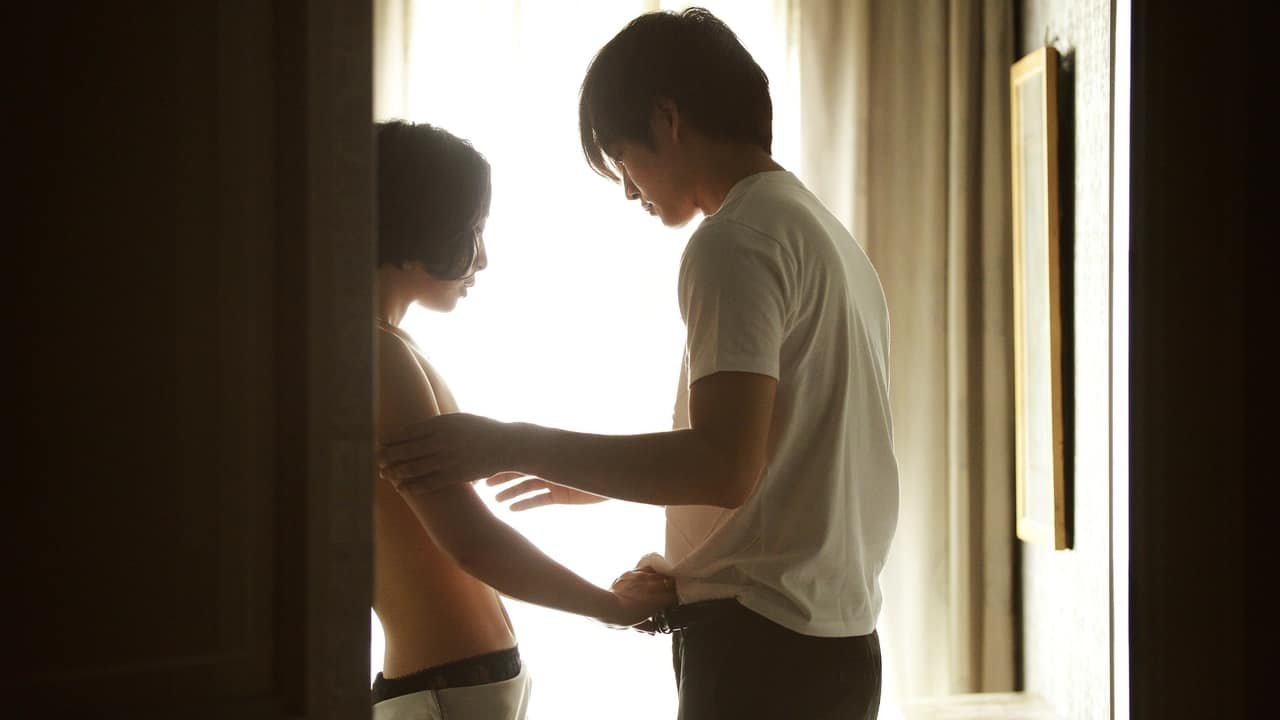
Japanese erotic cinema is among the country’s most complicated, diverse and frequently misunderstood cinematic traditions. The terminology of the category includes the terms eroduction and sexploitation before the most commonly accepted pinku, or pink film, while the differences between AV and pink films are also essential. Pinku-eiga are films that include regular and obligatory pornographic representation, but they are also a medium that has frequently grasped radical political opinions absent from regular pornography.
The image many filmmakers had of pink films was that, as long as the conditions the medium demanded were met, mostly revolving around the number of sex scenes and the small budget, they could have a lot of creative freedom. As actor Yohta Kawase commented, one could feel the freedom in there: it was not only the sex scenes that proved this freedom, but the fact that there was space to express almost anything. This freedom allowed filmmakers such as Koji Wakamatsu, Masao Adachi, Tatsumi Kumashiro, Hisayasu Sato, Shinji Imaoka and many others to incorporate politics, horror, comedy, melodrama, crime, fantasy and experimental techniques into ostensibly erotic productions.
Nevertheless, the history of the category also includes a very negative and troubling pattern. The move towards increasingly violent productions brought rape and torture much more intensely into the genre, while violence against women unfortunately became almost a norm in many films. The older Nikkatsu Roman Porno productions tried to capture the beauty of women, but almost exclusively from the male perspective, and their depictions frequently had very little to do with reality. Many films criticized exploitation while remaining unable to escape it themselves, presenting women simultaneously as victims, scream queens and erotic objects.
The heyday of pink movies lasted from the 1970s to the 1980s, when pink theatres could be found in almost every town. By the end of the 1980s, however, the industry was in decline, with the spread of Adult Video, changing exhibition habits, decreasing budgets and the eventual disappearance of most production companies having a profound impact.
Nikkatsu’s recent relaunch of Roman Porno has consciously attempted to move away from the misogynistic roots of the original cycle and its almost exclusive emphasis on male desire. The intention has been to create erotic films grounded in reality, focused on female subjectivity and capable of appealing to female audiences. The results have not always been successful, but films such as “Antiporuno”, “Dawn of the Felines”, “Safe Word” and “Hand” demonstrate a genuine attempt to reconsider who is looking, who is being looked at and whose desire drives the narrative.
The following films, presented chronologically, highlight the history, recurring patterns, stylistic diversity, artistic accomplishments and unavoidable contradictions of Japanese erotic cinema.
Daydream (1964) by Tetsuji Takechi
The experimental, almost dialogue-less, collection-of-vignettes narrative opens in a dentist’s where Chieko, a nightclub singer, is to be examined. After she receives the anaesthetic, though, she is induced into a fever-like erotic nightmare, where she is bound by rope and subjected to abuse by the dentist, while a man who was previously with her in the waiting room of the clinic is watching the whole thing from the balcony of the apartment where the bondage takes place. Chieko’s eventual escape along with the peeper turns the story into a surreal horror-thriller, while the bite mark on her breast eventually suggests that her nightmare may not have been as unreal as she thought.
Apart from being one of the most artistic and artful pink films ever to come out of the Japanese movie industry, “Daydream” is a historic production for a number of reasons. Takechi’s second work was the first erotic movie to have a big budget and a wide release, courtesy of Shochiku, who gave it a major publicity campaign that ended up in commercial success. It also became the first production in Japanese cinema to undergo “fogging”, which would become one of the trademarks of Japanese pornography for decades. Takechi’s background in Kabuki and Noh theatre becomes quite apparent, while Akira Takeda’s excellent framing, the distorted shamisen music and the neurotic editing add significantly to the nightmarish atmosphere. “Daydream” is a rather unusual amalgam of pink and experimental film, but the result is impressive, in one of the best productions of the category.
Manji (1964) by Yasuzo Masumura
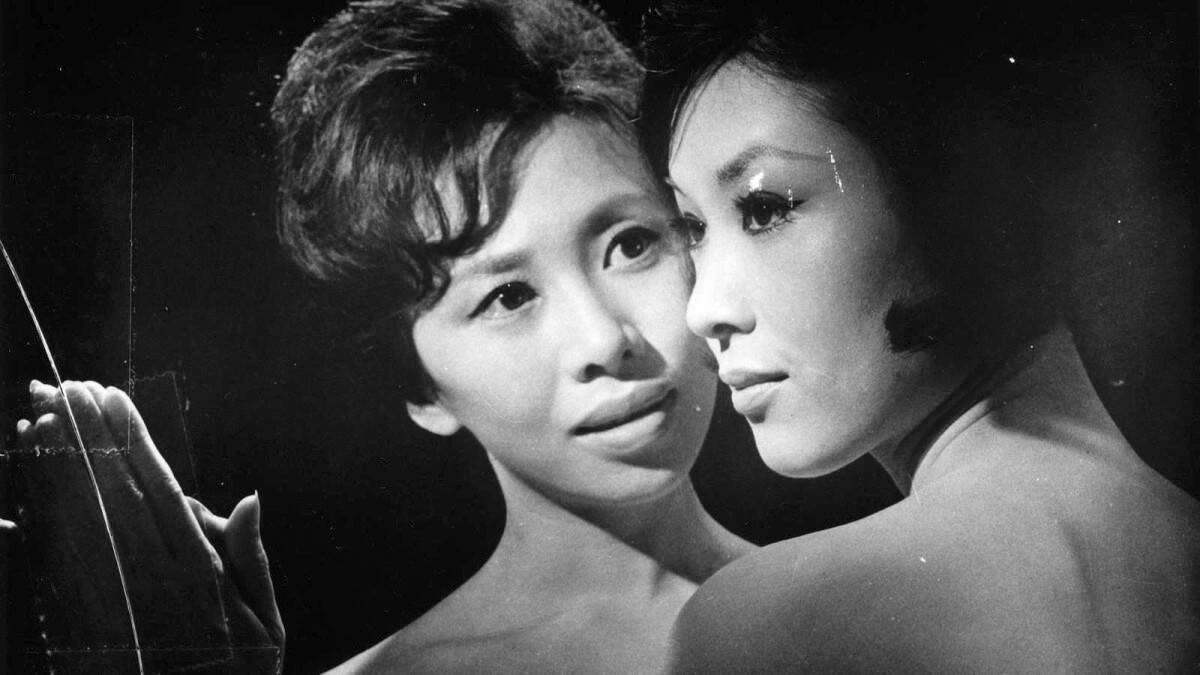
Plotwise, married woman and artist Sonoko Kakiuchi is unhappy with her marriage to her husband, Kotaro. While attending a private art school, she meets fellow student Mitsuko Tokumitsu, whose beauty and devilish charm entices Sonoko. She even paints a portrait of the young woman. The two become friends, and eventually, Sonoko falls in love with Mitsuko, and they both begin a secretive romantic relationship. Yet, what starts as falling in love becomes an obsession, only further complicated when Kotaro and Mitsuko’s fiance, Eijiro Watanuki, eventually become involved, and a destructive four-way love affair ensues.
As can be expected with a film by Yasuzo Masumura, it is not afraid to challenge the audience beyond conventional entertainment. Here, through Masumura’s direction and Shindo’s script, is an exploration of taboos in Japanese society. It’s quite bold, especially in 1964 when pink film started becoming popular. What viewers have with “Manji” is not some perverse male gaze fantasy intended to function as pornographic content but instead a captivating erotic drama that’s a profound depiction of sexual excess and what obsessive love can do to the human psyche. What starts as a passionate and intimate lesbian romance between Mitsuko and Sonoko gradually evolves into a story of obsession and deceit, when all four main characters eventually collide into each other’s love lives, leading to blackmail, betrayal, and, eventually, suicide
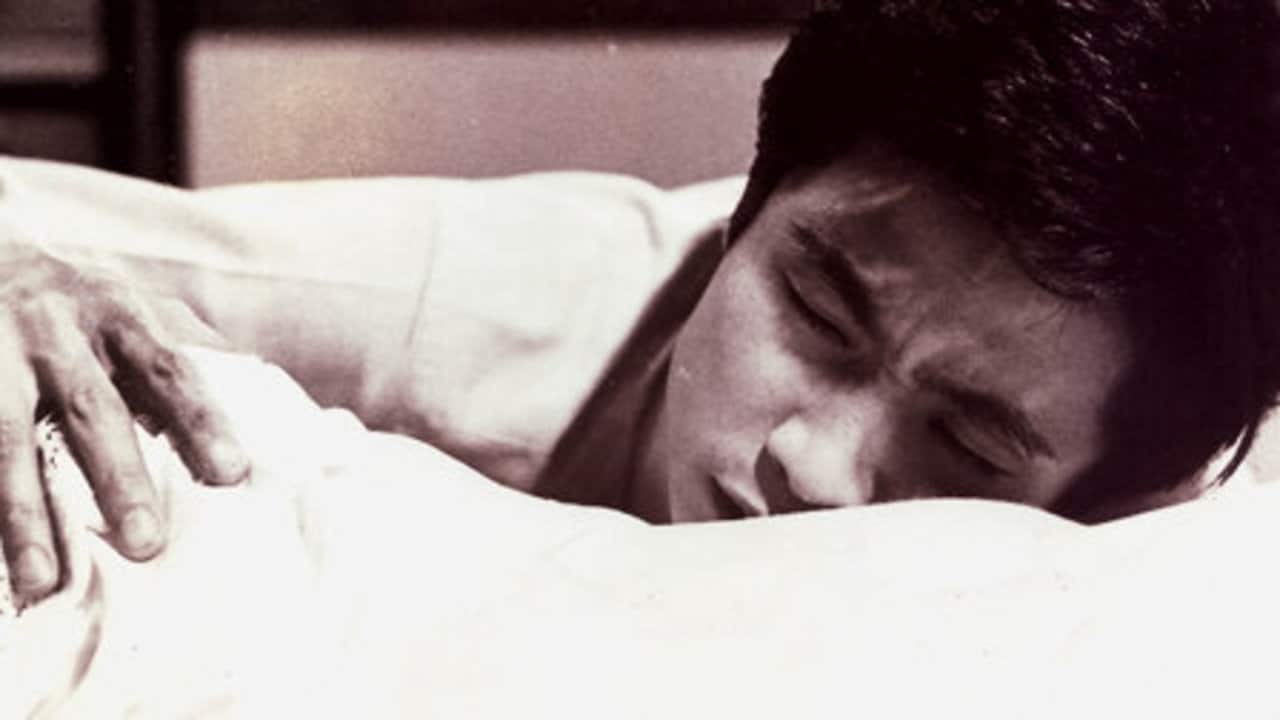
The film focuses on a number of people living in an apartment building, all of whom seem normal at first but are revealed as anything but as the story progresses. The main protagonists are a family of four, where the wife and husband frequently argue about sociopolitical issues, and particularly how earning money eventually becomes a concept that turns against the community and the family. The son supposedly reads intently for his exams, but what the young man does in reality is read porn magazines and peep through his telescope at the housewife across the street having an adulterous affair. His sexual frustration is palpable, and eventually he erupts, with his first victim being his sister.
Wakamatsu directs a film that set the tone for the rest of his independent work, with Masao Adachi filling the narrative with sociopolitical dialogue which interrupts the many scenes of sex and violence. Through this approach, the two filmmakers highlight how spent the Japanese family is, as every protagonist is portrayed as suffering from sexual frustration and some sort of depression. The style occasionally seems to mock the Ozu-esque concept of family, as the domestic drama takes a rather exploitative turn. Hideo Ito’s cinematography adds to the overall sense of perversion through intense close-ups and the voyeuristic view of the telescope, while the claustrophobic way he has shot the apartment highlights that the buildings function as a mental prison. “Secrets Behind the Wall” is a difficult movie to watch, but through its exploitative portrait of family life it manages to emerge as rather realistic, even if the effort to shock and scandalize is equally evident.
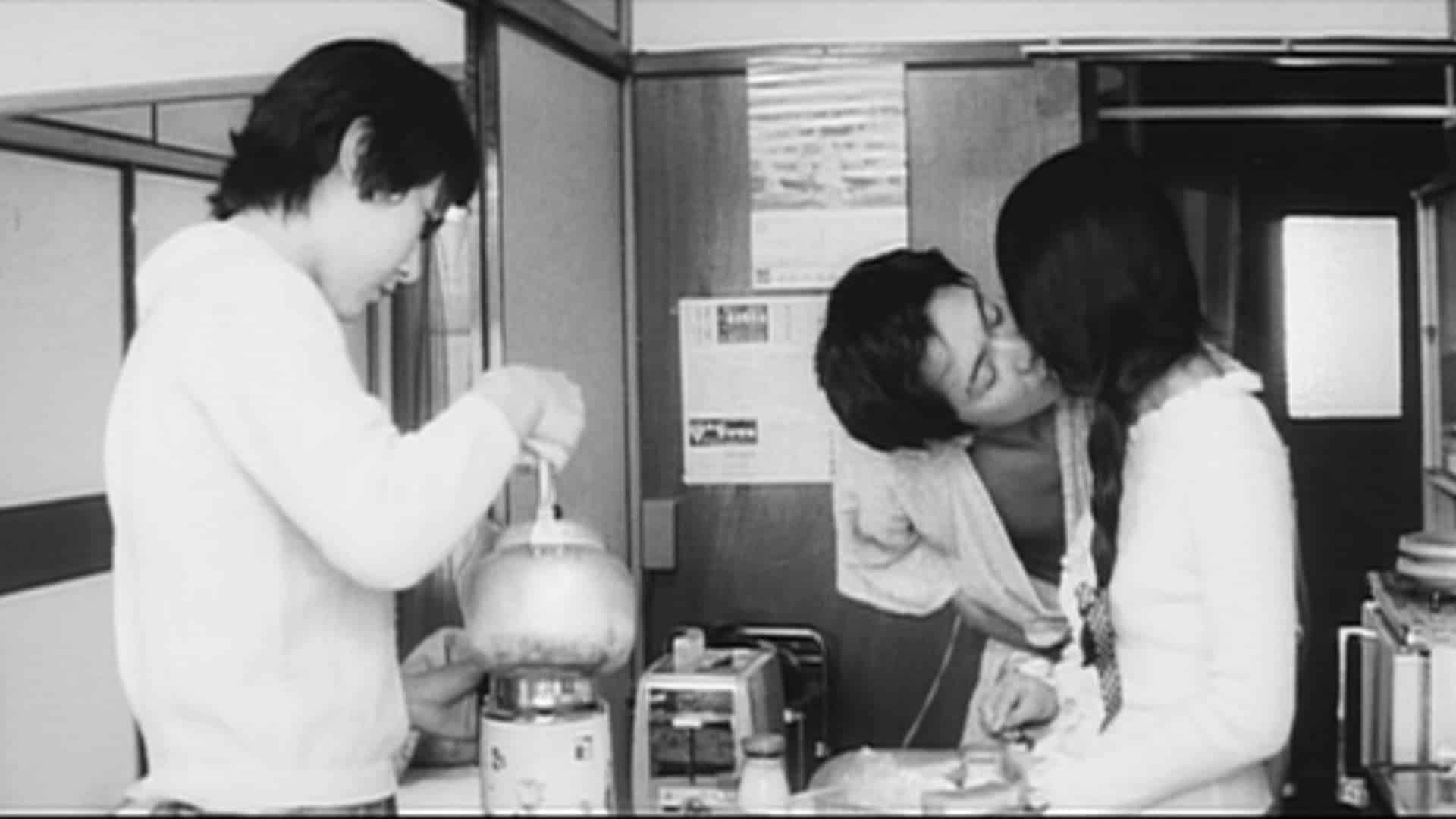
The movie begins by presenting a series of press photographs and newspaper headlines, mostly focusing on the student riots and their clashes with the police, along with the military training of what appears to be a right-wing group. Two policemen receive reports from an informant that a former radical leader is planning to assassinate Prime Minister Sato, who is about to leave for the US to negotiate the return of Okinawa. They plant a bug in his apartment, but what they hear is not revolutionary in any way, since the young man seems to stay inside all day, only being visited by two beautiful women who take care of his every need and have almost constant sex with him.
One of the main and most evident purposes here is to criticize the police in a way that can only be described as intense mocking. Starting from the torturing of the informant and continuing with the fact that their mission is relegated into peeping in various forms, the ridiculousness of their actions becomes rather obvious. While essentially a pinku film, Wakamatsu and Adachi ingeniously utilized the medium’s freedom to make pointed sociopolitical commentary, although Wakamatsu found himself compelled to incorporate numerous sex scenes adhering to the genre’s guidelines. Wakamatsu strategically situates the camera at a distance from the protagonists for most of the film, minimizing overt titillation, while the voyeurs being policemen enhances the underlying satire. “Season of Terror” is another testament to how Wakamatsu could take the sex film and make social comments and political statements through it.
Shinjuku Mad (1970) by Koji Wakamatsu
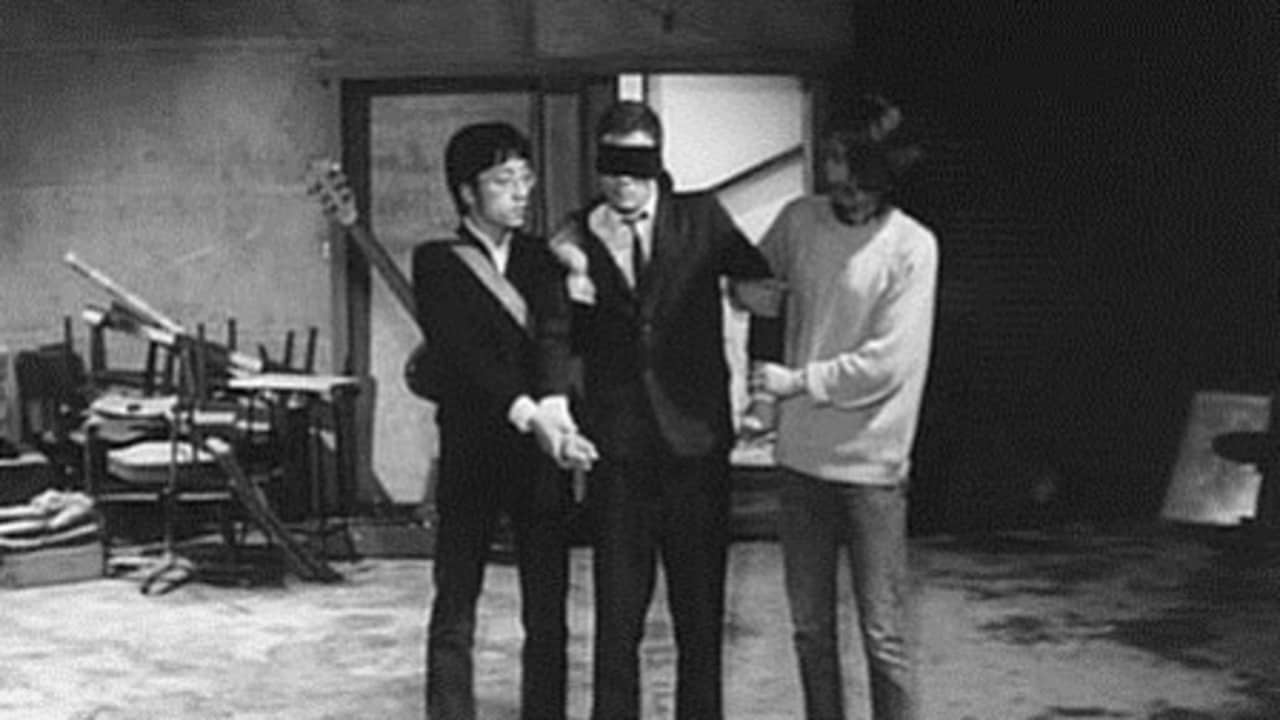
The film begins with two members of a theatre group being assaulted by unknown thugs, who kill the man and then strip the woman bare and paint her naked body with his blood. The desperate father of the deceased decides to investigate by himself, which brings him into contact with all the tribes that frequented Shinjuku at the time, including delinquents, hippies, student radicals, yakuza and gang members. Eventually, the father learns that the perpetrator is someone called Shinjuku Mad, although who or what that is remains unknown until the rather brutal ending.
Scripted by Masao Adachi, the film functions much like a tour guide to the underbelly and non-tourist part of the area, with Wakamatsu highlighting the cultural explosion but also the lawlessness that ruled Shinjuku at the time. The whodunit aspect does exist, but the narrative soon transforms into an odyssey of a desperate man, whose search for the reasons behind his son’s death and the punishment he receives during that search essentially turn him into the real Shinjuku Mad. Hideo Ito’s cinematography implements an approach that occasionally follows the rules of the documentary and occasionally those of fiction, while Isamu Nakajima’s editing implements the rapid pace of the area quite nicely. The opening’s use of an assaulted woman as a bloodied spectacle nevertheless illustrates the ease with which exploitation cinema used violence against women to provide a shocking visual introduction.
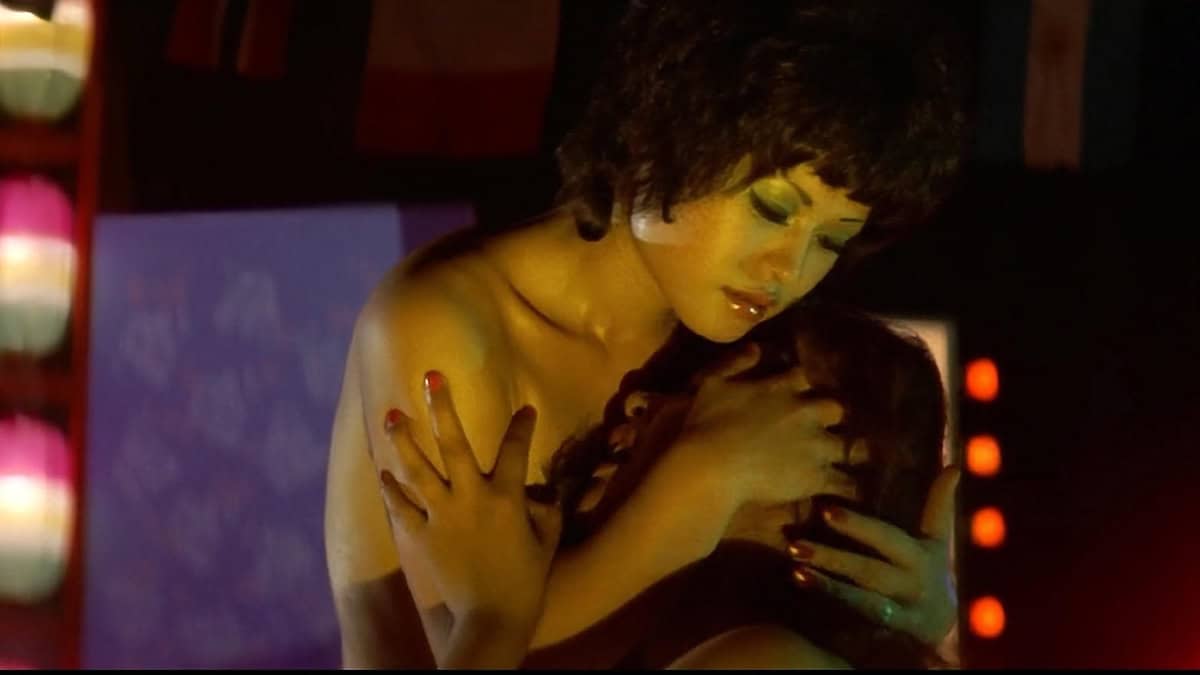
Considered one of the best films in Nikkatsu’s Roman Porno series and voted as one of the 100 Best Japanese films of the 20th century by Kinema Junpo, “Ichijo’s Wet Lust” focuses on the life of famous real-life stripper Sayuri Ichijo, who appears in the movie under her own name. The protagonist, however, is Harumi, a girl who works as a stripper in the same parlour and is trying to reach the heights her idol has. The story focuses on Harumi’s relationships with her boyfriend and the parlour’s owner, and on the problems these establishments faced with the law. The antagonism Harumi feels towards Sayuri leads her to more and more extremes on stage, attracting the attention of the police even further.
Apart from the politics of the strippers and the trouble the people working in the industry faced with the law, Kumashiro focuses intently on the performances, as much as on the erotic life of Harumi outside her workplace. Regarding the titillation part, Kumashiro succeeds completely, but also of note is the way he has implemented humour through a number of scenes that are both erotic and funny. The narrative follows an episodic approach, with Akira Suzuki editing the parts through a fast pace that allows for the plethora of them to be presented in all their glory in just 69 minutes. Hiroko Isayama steals the show as Harumi in a demanding role that has her exhibiting feelings of lust, awe, jealousy, frustration and pure anger with equal eloquence. “Ichijo’s Wet Lust” is an impressive movie and succeeds both at titillation and as a biopic.
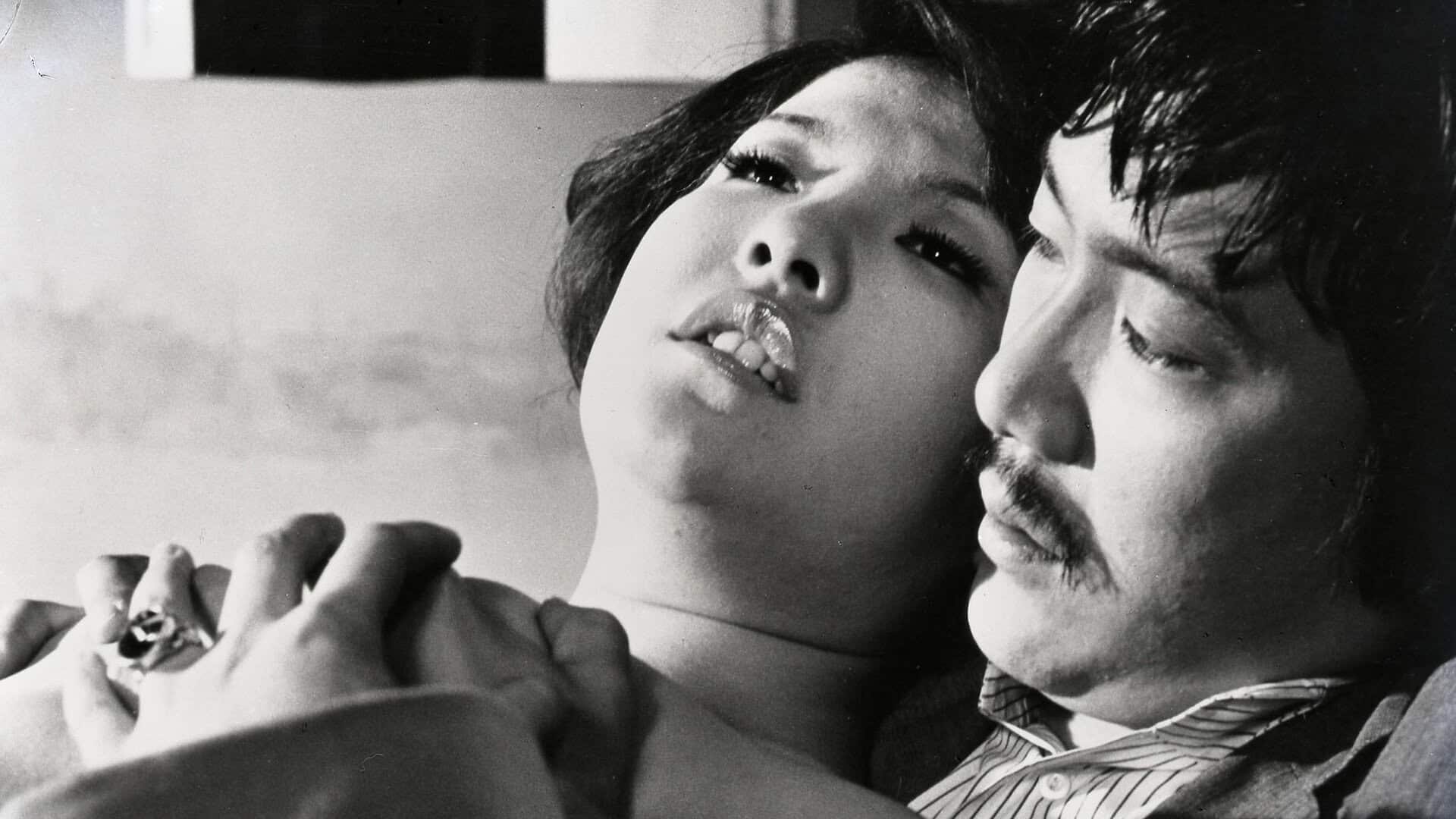
Working as a bathhouse prostitute, Masako and her street-walking friend Jun are among a group of women passed around by the mob in downtown Tokyo. Masako begins a sexual relationship with her bisexual neighbour Honda, whose other lover is the male prostitute Makoto. Makoto has recently fallen in love with a young woman, and when the three-way relationship starts to strain due to the unusual circumstances, they try to solve the problems facing them before everyone gets hurt.
The simplistic screenplay by Kensho Nakano essentially allows for a constant stream of finely provided nudity. From a dice game played on a lover’s naked back to observing other couples having sex in neighbouring apartments, “Night of the Felines” works nicely to provide plenty of erotic thrills. Nakano’s simple story also works nicely in other areas, and the manner in which the romance develops gives the movie a straightforward plot. The sudden outburst towards the end is quite shocking because the audience has become invested in the central triangle. The film does suffer from a general sense of boredom, particularly during the first half, where the nudity is frequently all that holds things together. Once the story gains momentum, though, it becomes one of the more enjoyable Roman Porno titles in the Nikkatsu line.
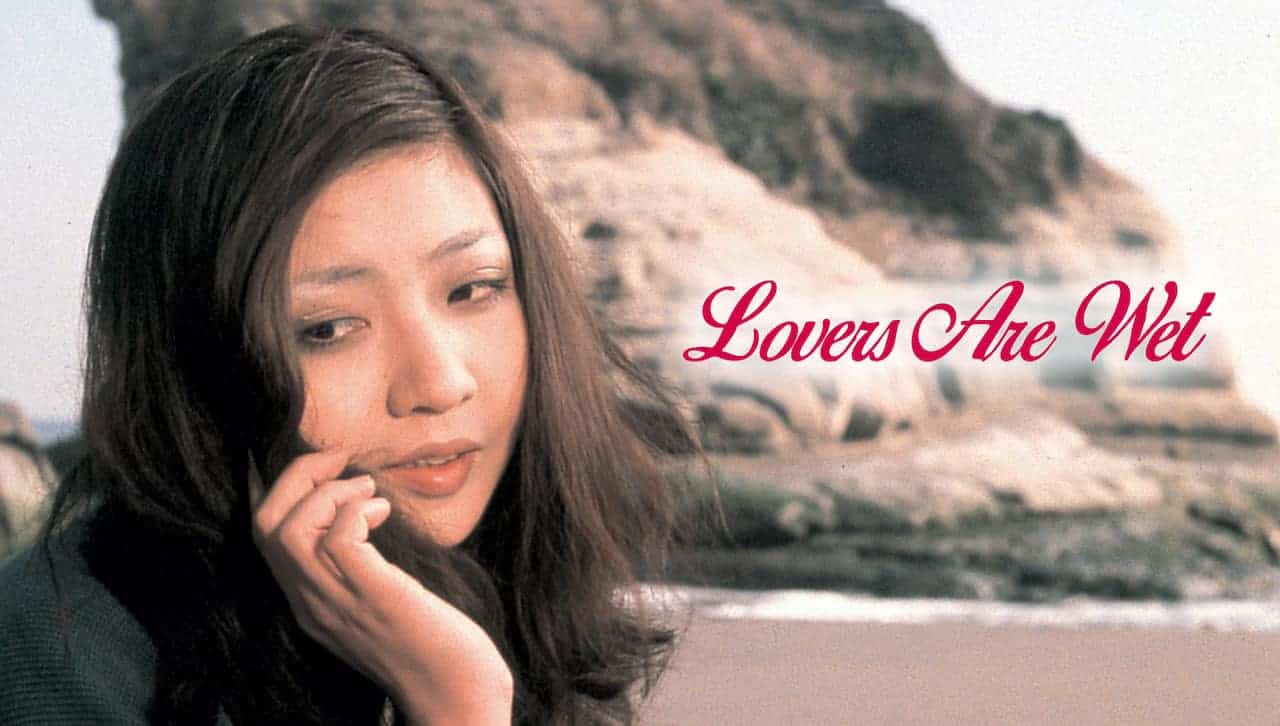
Upon returning to his hometown under mysterious circumstances, Katsu finds himself wandering around town and working at a local theatre, where he ends up having an affair with the owner. Given his nature, Katsu soon wanders away from the theatre and meets a young couple, spending the rest of his days in their company. His past remains somewhat hidden, as he refuses to acknowledge his identity to the townspeople who recognize him from his youth. “Lovers Are Wet” becomes a brief glimpse into the life of this mysterious figure and the faults that turned him into the man he is.
Not too heavy on plot, “Lovers Are Wet” instead relies on its actors to tell the story. The film is a bleak character study and Toru Ohe is ideal in the role of Katsu, taking on the part with such certainty and confidence that he becomes one of the most memorable protagonists in the Roman Porno subgenre. The lack of history, backstory and narrative, which could have been a detriment, instead adds a great deal of charm and mystery that draws the viewer deep into the character. The production is reminiscent of the work of Koji Wakamatsu, albeit stripped of greater social or political commentary. The characters become fascinating not through the script, but through acting on their carnal desires and revealing their faults.
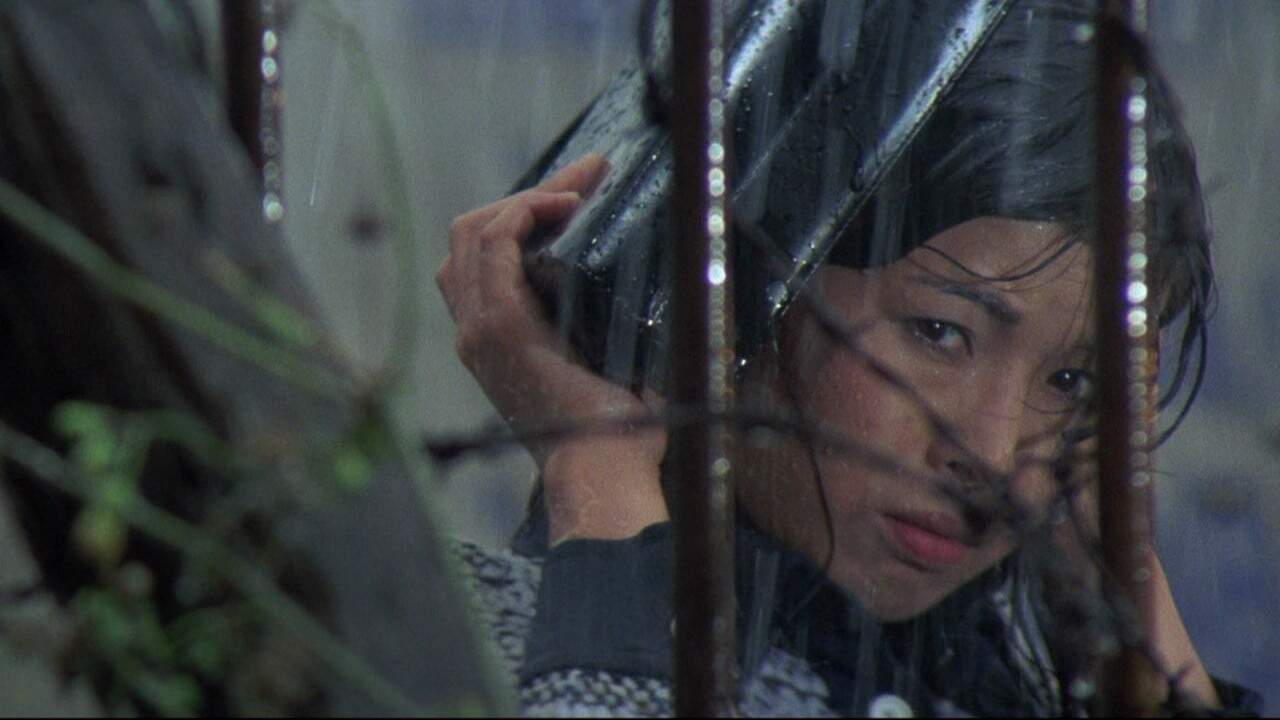
Another instalment in the “Angel Guts” cycle places its recurring protagonist, Nami, once again at the uneasy intersection of sex and violence. This time she works as a journalist for a women’s magazine, tasked with reporting on survivors of sexual assault. As she investigates several cases, her professional curiosity gradually turns into an unsettling obsession, drawing her into a disturbing game of cat and mouse with a man who appears equally fascinated by the stories she uncovers.
Noboru Tanaka’s film operates through a striking mixture of aesthetics, shifting between voyeuristic, documentary-like realism and highly stylized horror imagery reminiscent of German Expressionism. The documentary impulse proves to be the film’s strongest formal strategy, forcing the audience to confront the moral implications of what they are seeing. Yet it is precisely here that “Angel Guts: Nami” becomes most difficult to reconcile with contemporary sensibilities. The film’s treatment of sexual violence frequently slips into exploitation, staging scenes of abuse in ways that seem designed to provoke shock or titillation rather than reflection. Its aesthetic ambition and thematic complexity are therefore inseparable from its deeply problematic gaze.
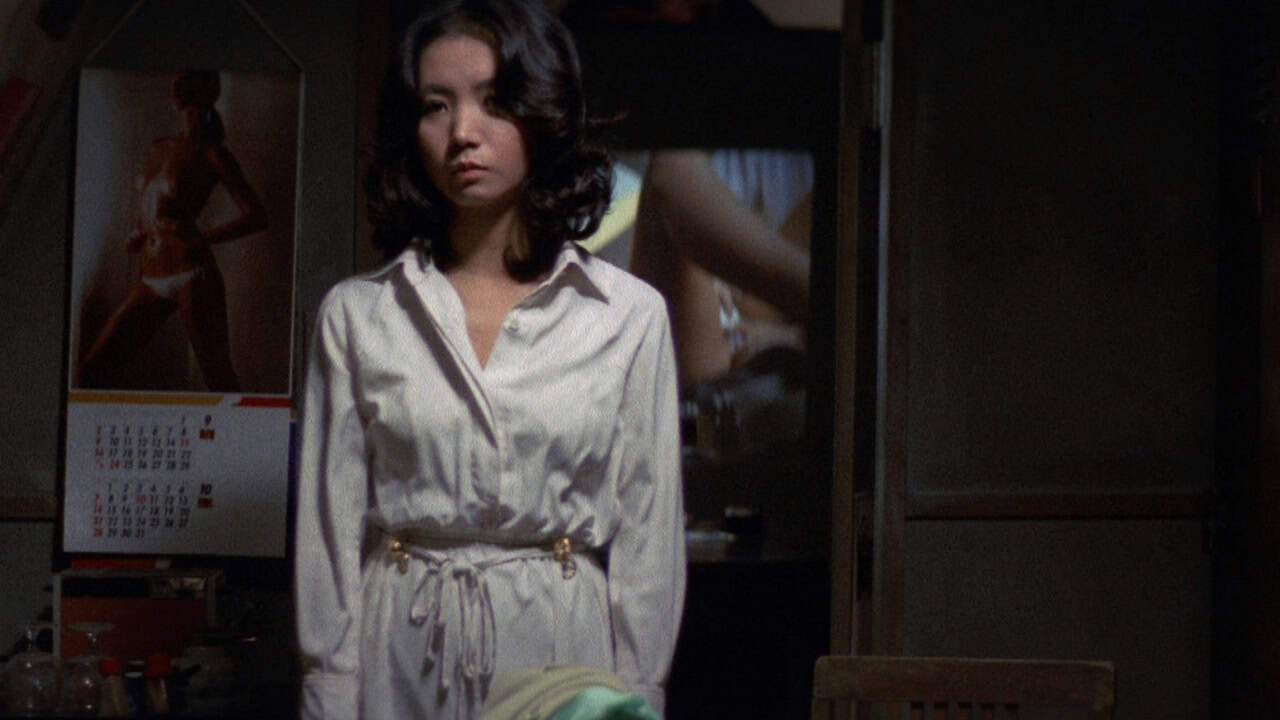
“Angel Guts: Red Classroom” opens with a scene of sexual violence, only to immediately undermine it by revealing the assault as a staged fantasy from a pornographic film. Among its viewers is Tetsuro Muraki, a pornographer who becomes fixated on the actress Nami Tsuchiya. His obsession soon curdles into a misguided saviour fantasy: convinced of his own chivalry, Muraki seeks her out, imagining himself as the man who will rescue her from the adult-film industry. Nami, however, reads Muraki’s promises as hollow gestures aimed at possession rather than care.
Set within the adult-film industry, the movie engages in a metatextual critique of pornography while simultaneously relying on its conventions. Frames within frames, mirrors, filters and optical distortions fracture the image, reinforcing a sense of subjectivity and moral instability. Beneath its pulpy surface lies a bleak and disturbing portrait of a woman unable to escape the world that exploits her. Pornography here is not depicted as hell but as purgatory, a stagnant space where hope erodes slowly rather than through dramatic collapse. “Angel Guts: Red Classroom” articulates a bleak moral vision, one that critiques exploitation even as it remains unable to fully escape it.
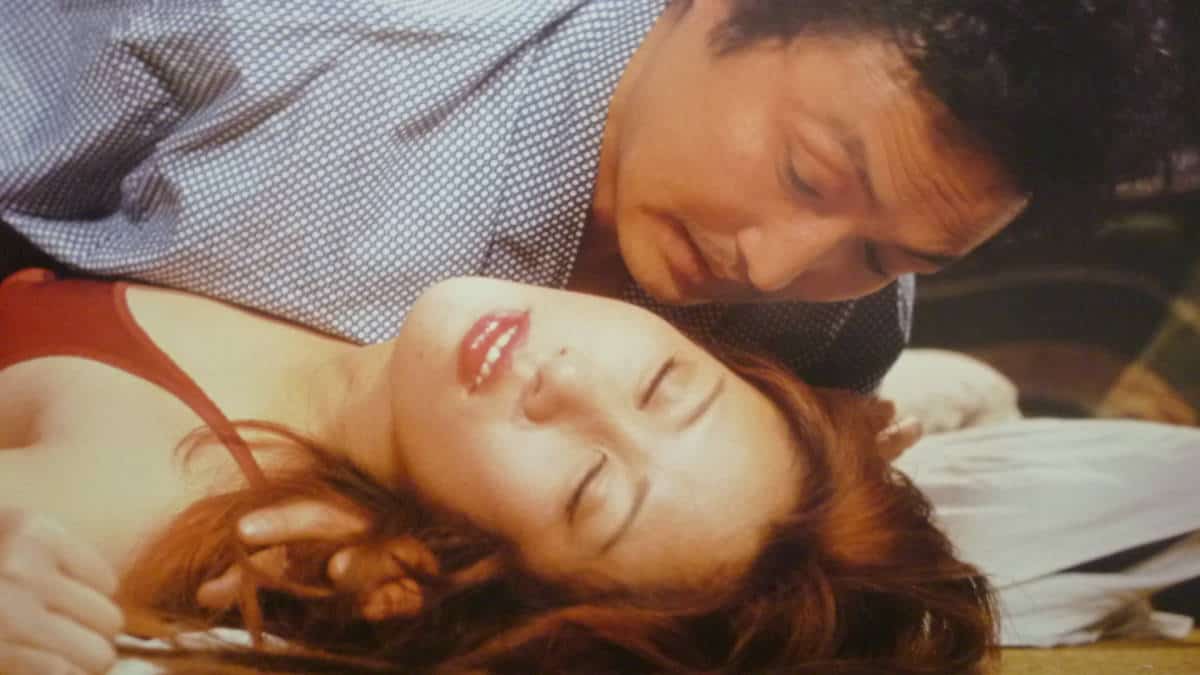
The film focuses on the friendship between two construction workers, Kozo and Takao, before the titular woman enters their lives when they pick her up from the side of the road. She soon starts living in Kozo’s small apartment, despite being married with two children. The two share a relationship of lust and abuse from Kozo’s side, but Takao feels threatened by the presence of the woman and even demands that Kozo allow him to have sex with her, despite her initial protests.
Kumashiro creates an interesting portrait that uses the love triangle to make comments about male friendship, the role of women in society, lust and the lives of poor construction workers. The erotic scenes are among the most sensual and well-shot in the genre, particularly because they look rather realistic and because Junko Miyashita manages to act convincingly during them. Miyashita anchors the film as both a sexually voracious woman and a victim of her lust. Of course, some crudity and violent scenes, including ones that border on rape, are not missing either. Although the way they are shot makes them less shocking than in other productions, they remain part of the troubling exploitation patterns of the period.
Love Hotel (1985) by Shinji Somai
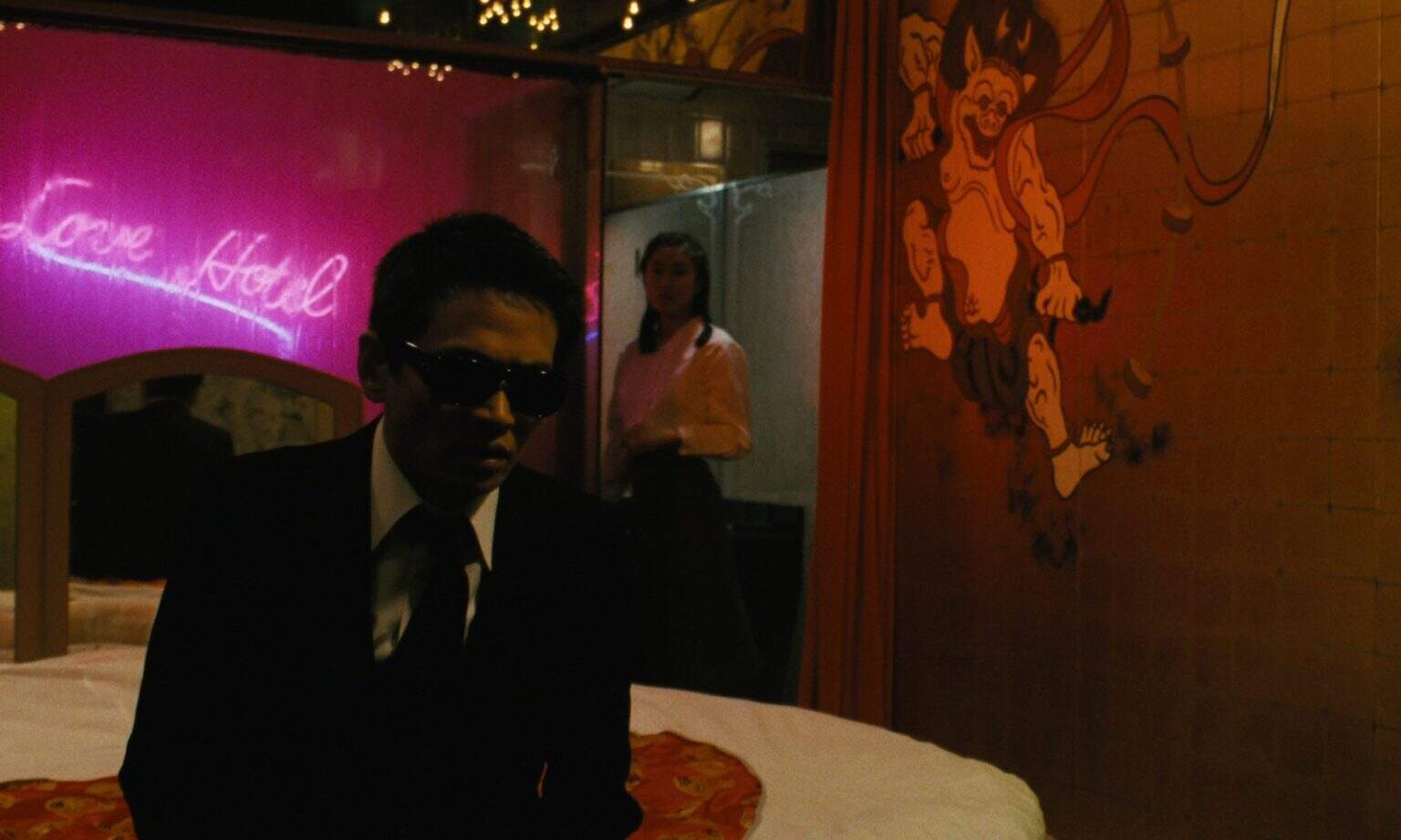
The story begins with Tetsuro, whose life has gone downhill due to his huge debts and money borrowed from the yakuza. He checks into a love hotel and books a woman for the night, whom he handcuffs and violates on the bed. However, he rethinks his decision to commit suicide afterwards and leaves. Two years later, Tetsuro has become a taxi driver and regained control over his life. While on duty, he encounters the woman again, while she is also dealing with the collapse of an affair with her employer.
Essentially, “Love Hotel” unfolds much like an erotic drama. The love hotel itself becomes more of a symbol of the characters’ unity as well as their downfall, since both of them have reached a low point in their lives. The love scenes suggest that it is not so much about sex, but rather an expression of the innermost feelings of the characters. As with many of his other features, Somai proves his talent for visual storytelling, highlighting the importance of certain places within the characters’ development and emotional state. The initial assault remains extremely disturbing, however, and represents the ease with which Roman Porno frequently used violence against women as a foundation for later romance and emotional connection.
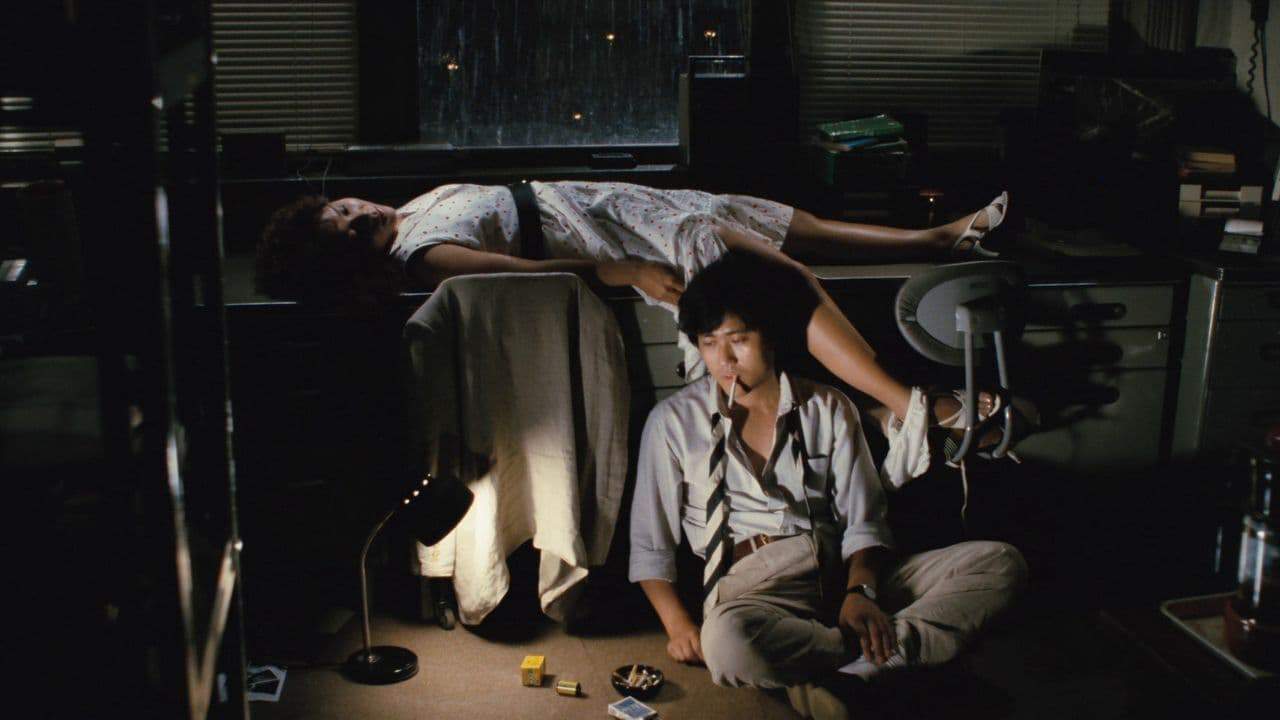
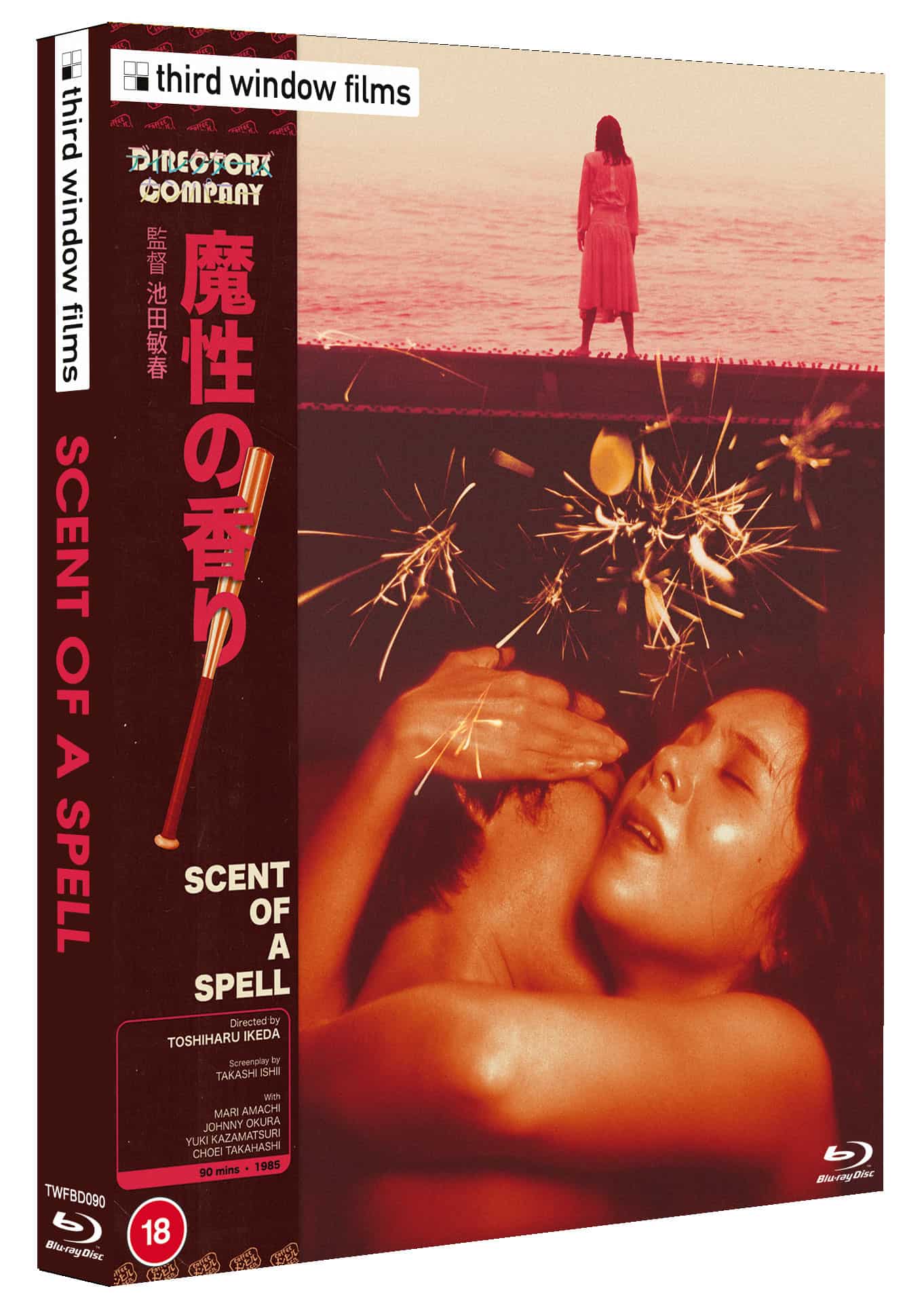
While Tetsuro is returning home from a bar in heavy rain, he comes across Akiko, who is attempting to kill herself by jumping from a bridge. On a whim, he saves her and takes her to his home, where he convinces her to stay until she gets hold of herself again. He eventually learns that she has escaped from her violent husband, a doctor named Yutaka, and decides to protect her. The two soon start living together, but Tetsuro eventually discovers that there is more to Akiko’s story than she lets on.
Toshiharu Ikeda directs a film that is rather pessimistic, with the fact that the relationship at its centre is doomed from the beginning becoming evident quite early. Desire is something that moves beyond morality and logic, an approach essentially inherent to the whole of Japanese exploitation. The three prolonged sex scenes also have a clear narrative function: the first signals the beginning of a relationship based only on desire, the second introduces the first seeds of doubt and the last signals the end. The fact that this is a man’s world becomes particularly evident, while the only ways women can find to survive in this setting are through their sexuality and violence.
Buy This Title
on Terracotta by clicking on the image below

The film opens with a videotape recorded by Rie’s friend Motoko, inviting her to visit the seaside Nagisa Hotel during its off-season. Rie is greeted by the hotel manager, Soeda, who asks her to draw a card, and she picks the Queen of Spades. His women are tattooed with their chosen cards, forming a growing collection. At first, Rie appears to be just another card, yet she is noted as his first face card. She is not a pawn; she reigns as the Queen.
“Mania: House of Cards” belongs to Nikkatsu’s Roman X sub-line, whose productions combined shot-on-video imagery, BDSM, guerrilla filmmaking and increasingly extreme material. The movie can be dreamlike and absurd as bodies are hidden and people are tasered, yet there is a slow-build awakening happening for Rie. She is never as innocent as she looks. For most of the beginning, she is allowed to enjoy her vacation at the resort. She laughs, she wanders and the camera is in awe of her. Saeko Kizuki provides charm to an ambiguous script, while the restored colour, light and blood are as meticulously painted as the characters’ tattoos. She does not set others free; she takes charge of the genre.
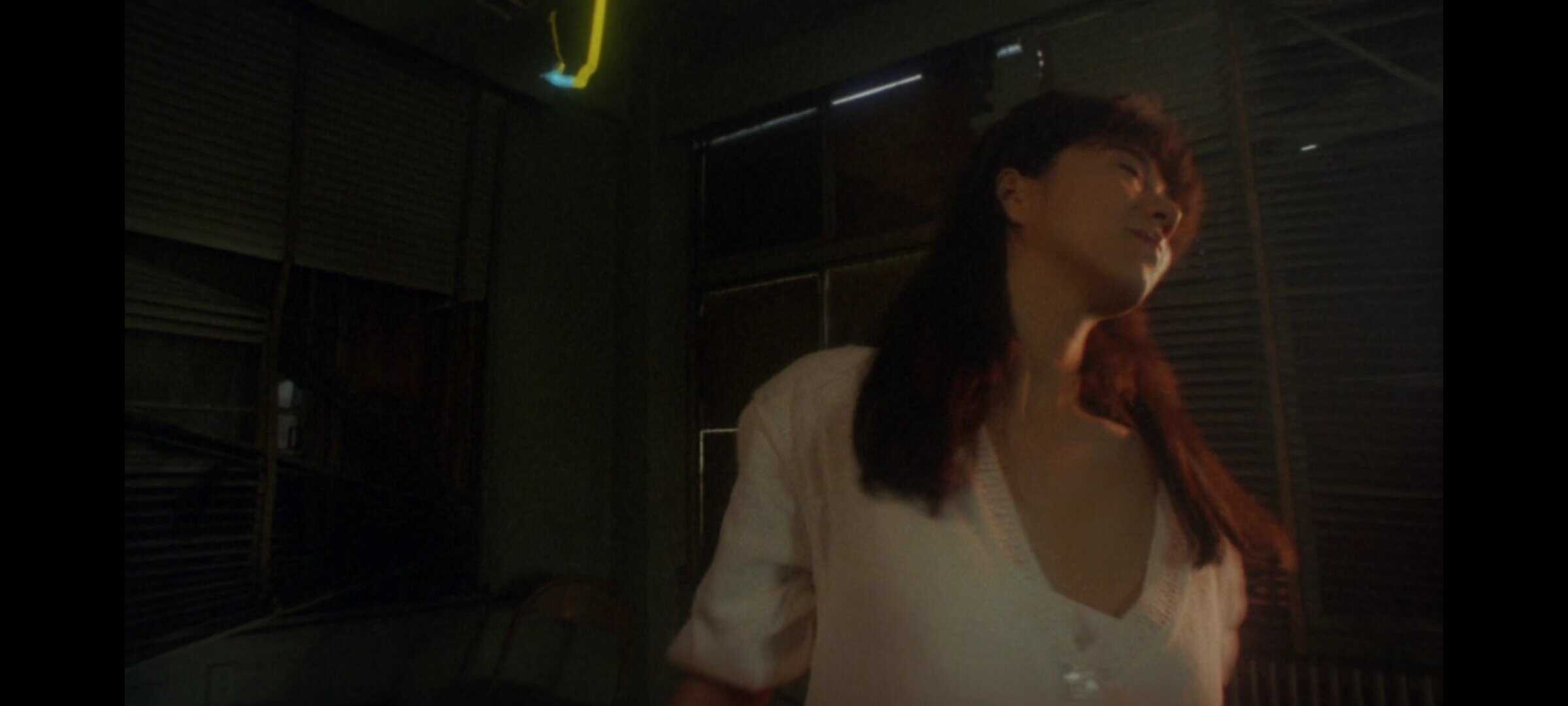
Nami is a nurse who gets overworked and sexually assaulted by patients at the hospital. Back at home, she helps her erotic-photographer boyfriend Kenji, only to discover that he has not been faithful. Her story intersects with that of Muraki, a stockbroker who has embezzled his clients’ money and is on the run. Muraki hits Nami with his car and, instead of taking her to a hospital, abducts her, brings her to an abandoned factory and makes her his sex slave. After a while, she goes along with it and falls in love with her captor.
With Ishii claiming full control over the series, its nonsensical and vile premise about rape serving as an introduction to romance takes centre stage. The author-turned-filmmaker seems fascinated with the act of rape, female fear and submission after a mandatory, almost ritual resistance. As a director, Ishii has only a few ideas about how to transfer his material from one medium to another, and they usually dry up after playing with dim and neon lighting, crooked angles and alternations between handheld and static camerawork. “Red Vertigo” could be seen as a swan song both for the series and for this era of pink film, and now looks like a relic of the past based on highly questionable ideas and conceptions.
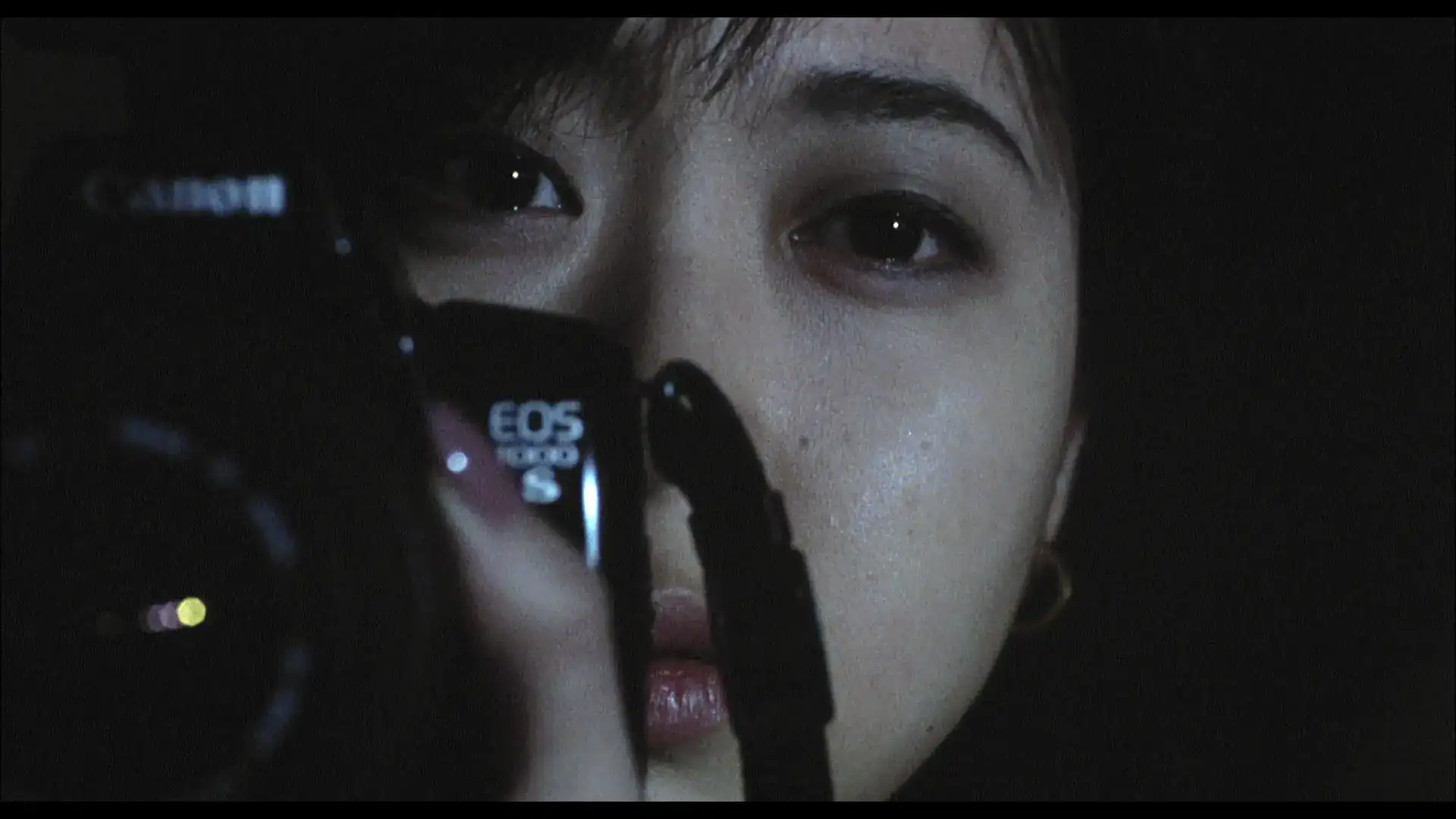
Nami, a photographer for a magazine, is assigned to capture stills from an erotic movie that features intense rape scenes. During one sequence involving a teacher and a schoolgirl, she becomes increasingly disturbed, recalling a similar trauma from her past. She flees after realizing that editor Muraki resembles her former assailant. The next morning, Nami wakes naked in a love hotel with no memory of how she got there, while a man lies beside her in a pool of blood, covered in stab wounds.
Given the movie’s pinku eiga context, the narrative largely consists of sex scenes, often incorporating violence, stalking and assault. Nami repeatedly attempts to escape but fails each time. The environment she inhabits certainly contributes to her entrapment, but she also appears unwilling, or perhaps unable, to break free. This portrayal places her somewhere between victim, scream queen and erotic object, a combination that aligns with the movie’s goal to titillate while unsettling the viewer. Although the story becomes convoluted, Norimichi Kasamatsu’s cinematography captures the eroticism, violence and shadowy atmosphere with impressive flair.
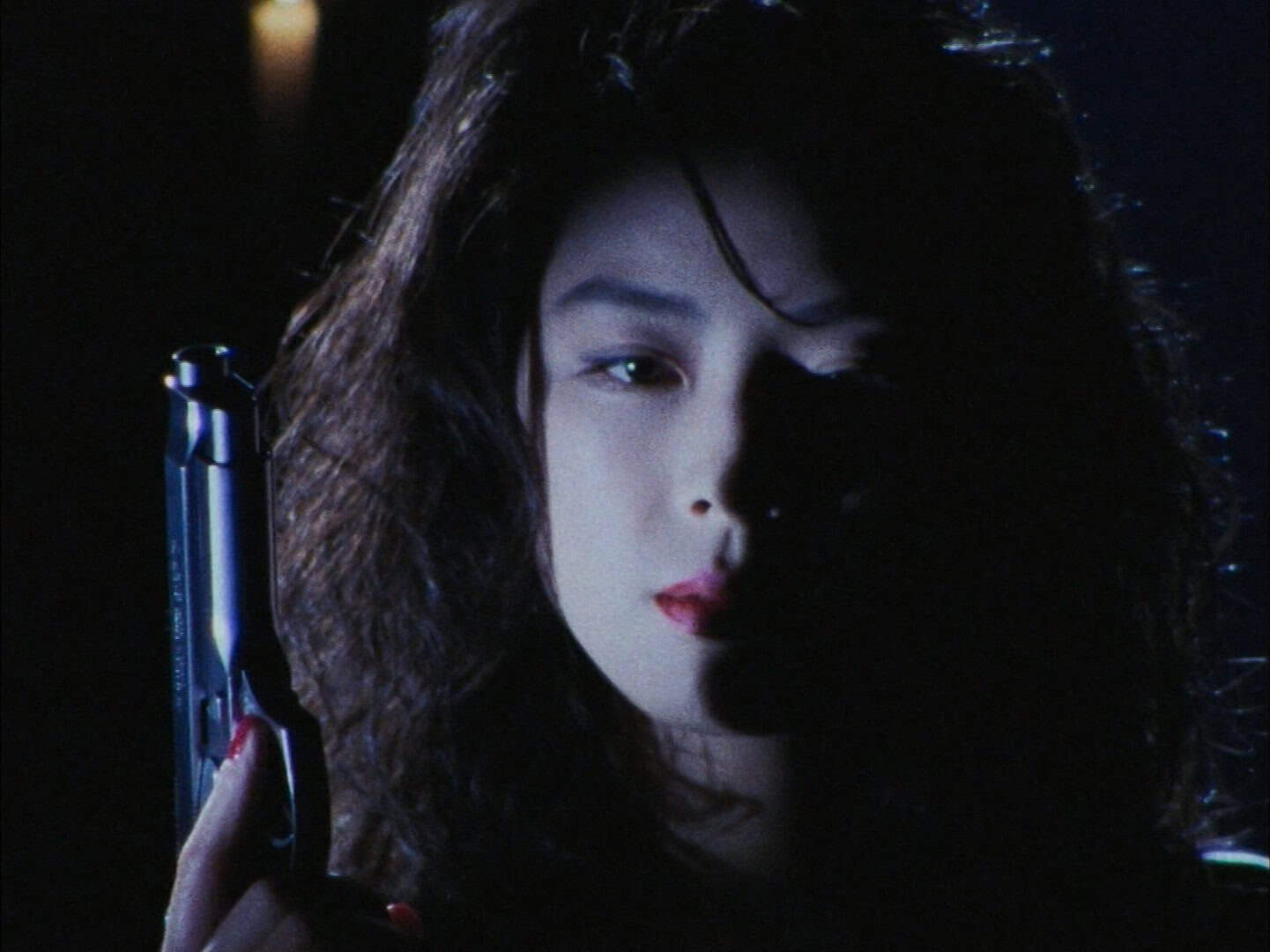
Shion is a product of the Magnificat, a fictional crime syndicate operating under the guise of a Catholic convent. Trained in isolation to be the ultimate assassin, she has grown up with the sole purpose of killing, never allowed to watch television, go on dates or enjoy any of the experiences typical of other young women. When journalist Ito photographs her during one of her missions, she pursues him in an attempt to destroy the evidence. Instead of killing him, she ends up falling in love, with sex acting as the unexpected catalyst for her transformation.
The blend of girls-with-guns action, Catholic cult iconography, pink-film aesthetics and the central love story makes “XX: Beautiful Hunter” a quintessential cult offering. One memorable sequence has Shion suspended in midair in a rubber suit, subjected to electric shocks and whipping, while the cult leader watches in Christian ceremonial attire. DP Seizo Sengen drenches the screen in neon-lit, neo-noir hues that heighten both the stylization and the grotesque elements of the narrative. The action is competently executed, and the erotic content, whether violent or tender, is shot with equal care. The film is far from flawless, but it remains a compelling relic of 1990s V-cinema.
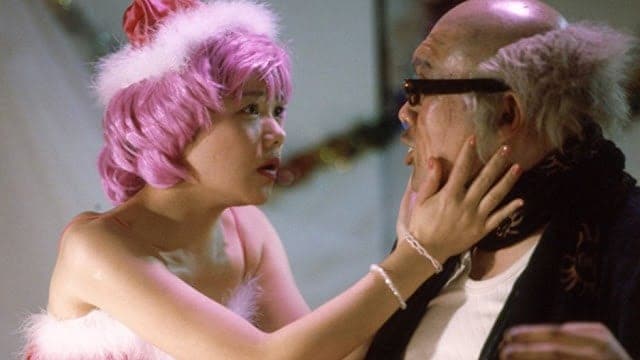
Looking for work, Komasa is a cowgirl-dressed drifter who works at the brothel Hot Lips. One day, she saves the life of Monroe, a pink-haired woman being attacked by a demon. Monroe gets a job at Hot Lips, where it is quickly discovered that her sexual services have magical healing powers. Soon she is the most popular woman there, as lines of sick and disabled men seek treatment from someone who possesses the healing powers of an angel.
Working as a comedy, there is much to like here. The silly premise of Monroe’s healing prowess is put to use through a number of visual gags, while, being a pinku film, the production maintains a surprisingly high level of eroticism. The wild scenario includes a cowgirl-dressed drifter, a pink-haired reincarnation of an angel, demons, doomsday religious prophecies and an emotional backstory for the heroine, all in a supposed sex comedy. This hodgepodge of ideas gels far better than expected, with the movement from goofy brothel antics to dramatic religious prophecy allowing for a completely engrossing ride. “Pink Salon Hospital 3” emerges as one of Mototsugu Watanabe’s finest films.
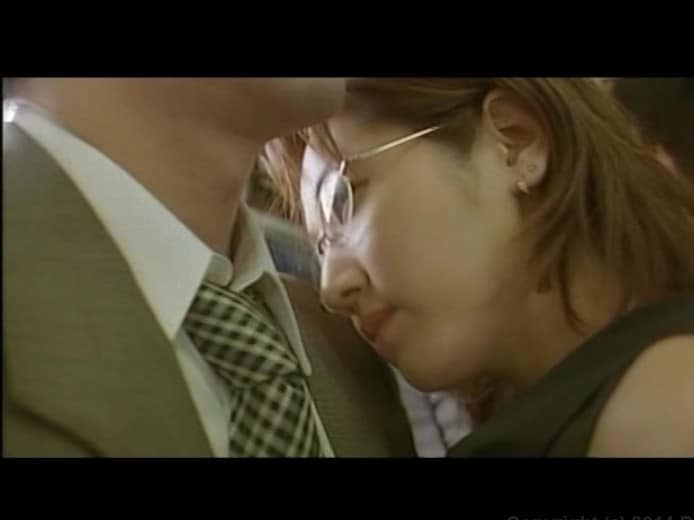
Following a rough day at work, businessman Yuji decides to grope Asuka, a young woman, on a busy Tokyo commuter train. He soon realizes that his wallet is missing, which Asuka returns while suggesting that they work together to pick the pockets of similar men. Forced to keep the arrangement secret from his fiancée, the two follow through on their plans, only to discover that their feelings for each other interfere with the scam.
Given the series’ proclivity towards emphasizing exploitation elements, it is no surprise that “Dirty Scoundrels” carries on in the same way. The train sequences establish a cramped and sleazy atmosphere, with close-ups emphasizing non-consensual touching. Outside these scenes, the film works with more traditional eroticism and adds a romantic-comedy angle to the long-running Groper Train formula. The story, however, is rushed and scattershot, and the attempt to turn its protagonists into a sympathetic couple cannot erase the fact that molestation is repeatedly used as titillation and humour. It remains an example of how deeply problematic material was normalized within particular branches of pink cinema.
The Doll House (2004) by Takaaki Hashiguchi
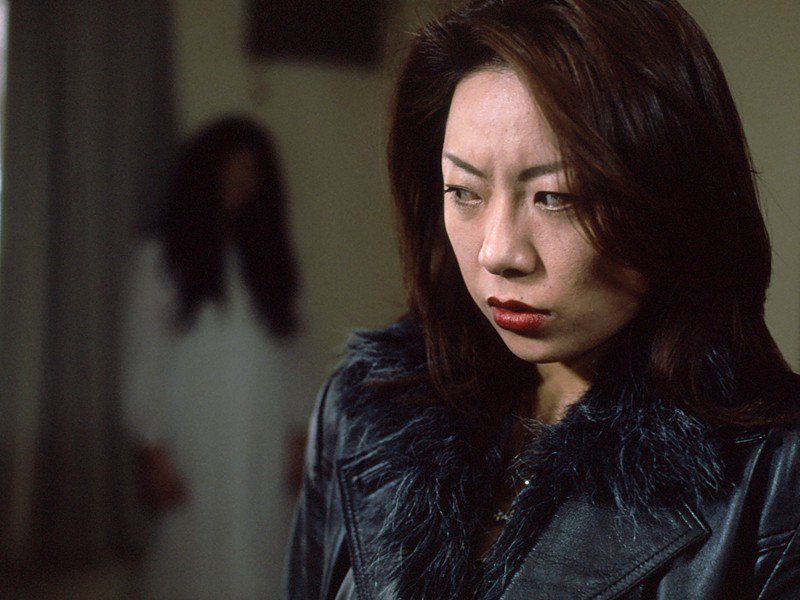
Doctor Arthur and his new wife Yoko move into a house haunted by a murderous onryō whose spirit seems to be hiding in a Victorian doll. Steamy sex scenes are interrupted by appearances of the ghost, which only Yoko is able to see. She attempts to uncover the house’s bloody history, involving a mother who killed and dismembered her daughter, while the spirit threatens to repeat the original trauma.
Given the tight budget and restricted shooting time that are essential defining features of pinku eiga, Hashiguichi produces an entertaining and effective softcore horror film. Using a desaturated palette of greens, browns and yellows, along with empty shots to heighten tension, “The Doll House” foregrounds Japanese cinematic eroticism without bringing the all-too-common misogyny with it. The emphasis is on Yoko’s desire as much as it is on Arthur’s, rather than codifying the conventions of male dominance. Long dark hair, reflections in mirrors, a minimalist soundtrack and repeated shots of the doll’s black eyes add a suitably creepy feeling to the proceedings.
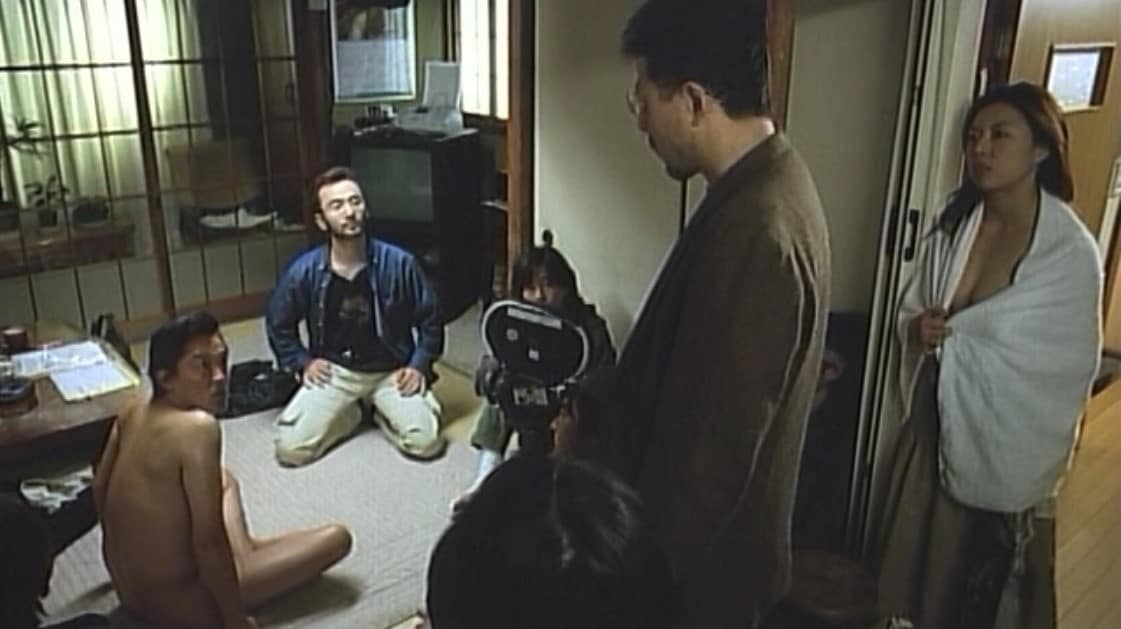
Newlyweds Yuji and Akiko are struggling with money, and the stress is taking a toll on their love life. Their lives are given a different perspective after Yuji suffers a hard day working on a low-budget pink film and Akiko attends a reunion where an old romantic interest is expected to appear. Toshiki Sato leans on his years of experience within the pink-film industry to create a comedy with heart and admiration for the filmmaking process.
A self-aware comedy, “Tokyo Booty Nights” intersperses memorable moments of absurdity between the regular light erotic material of the genre. The humour lands well thanks to Sato poking fun at an industry in which he had decades of experience. The film also goes with the familiar theme of unusual sexual exploits working to repair a troubled relationship. Clichéd for certain, but there is a sincerity that seems to reflect an equal appreciation for the genre and an understanding that its deviant content does not necessarily reflect everyone involved in making it. “Tokyo Booty Nights” is a wondrous homage to pink cinema, punctuated by a script that is equal parts uproariously funny and touching.
Blind Love (2005) by Daisuke Goto
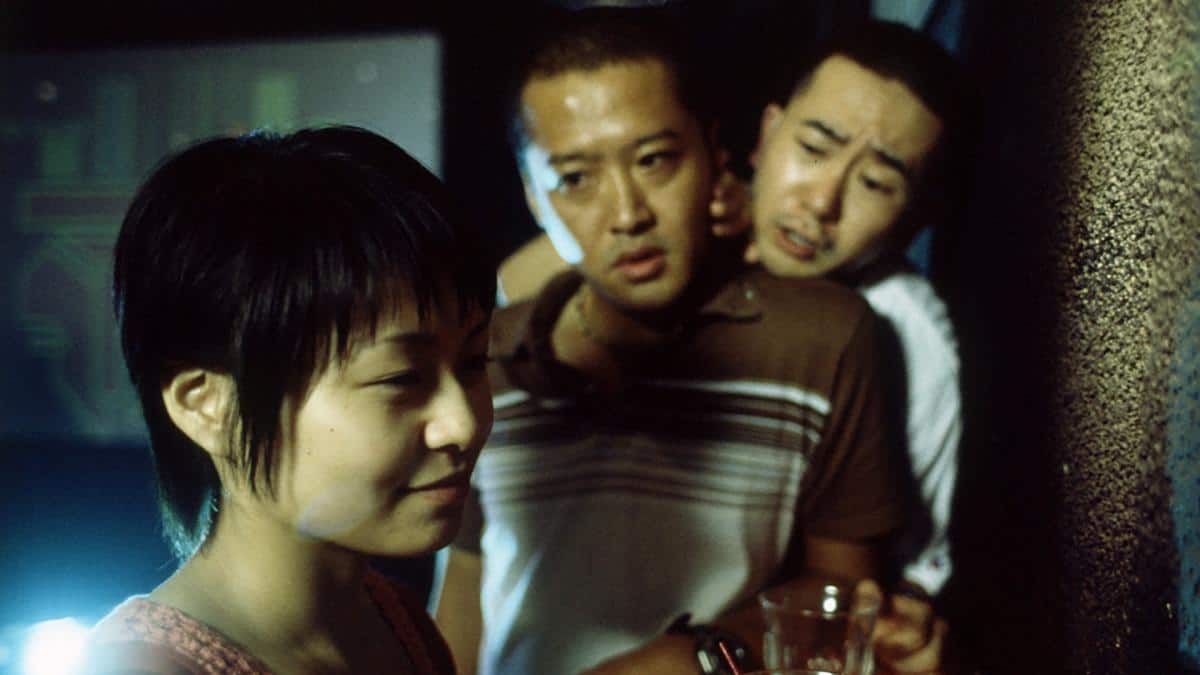
The story revolves around Daisuke, a divorced ventriloquist whose life is in shambles. During a public performance, Hikari, a blind woman, falls in love with his voice and begins pursuing him. Daisuke becomes frightened about their date and invites his friend Yoichi, but a strange succession of events leaves Daisuke providing the voice while Yoichi handles all physical interaction. To his utter despair, his friend and Hikari end up having sex, while it is soon revealed that Yoichi is not exactly the friend he thought he was.
Daisuke Goto pens and directs a narrative whose base is quite interesting, with the interaction between the blind woman and the ventriloquist being intriguing from the beginning. Through the central triangle, Goto makes comments regarding the ways lies can affect a relationship and the concept of friendship, which is presented in the blackest colours. He also uses the story to make a number of social comments. The infamous concept of the molester train is one of the most obvious, but the film also deals with how vulnerable blind women must feel, a comment that finds its apogee in the elevator scene. “Blind Love” combines comedy and drama in excellent fashion through a very unusual love story.
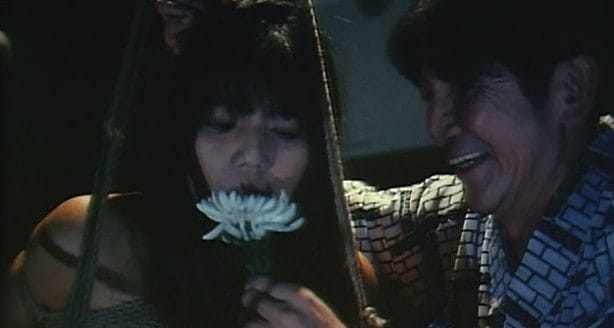
Yuna is a shy and innocent college student who has not had much sexual experience. This changes when she meets Professor Shibuya, a famous art critic and collector. Yuna is invited to his estate, where, under his guidance and with the help of his partners Miho and Erika, she delves into a world of rope bondage and sexual deviancy. As her education continues, she falls for the professor and changes from observer to active participant.
“Educating Yuna’s” major focus throughout is the erotic, and for those interested in the stories filmmakers tell around pink cinema’s obligatory sex scenes, the production may prove rather forgettable. However, for fans who find the erotic sequences to be the biggest draw and particularly enjoy S&M-themed productions, it should be essential viewing. The scenes are very well done and a step above many other productions. It is particularly praiseworthy that the film manages to avoid feeling nasty or mean. In a genre where sex frequently seems forced upon female characters, “Educating Yuna” is largely free from the guilt that can accompany such sequences.
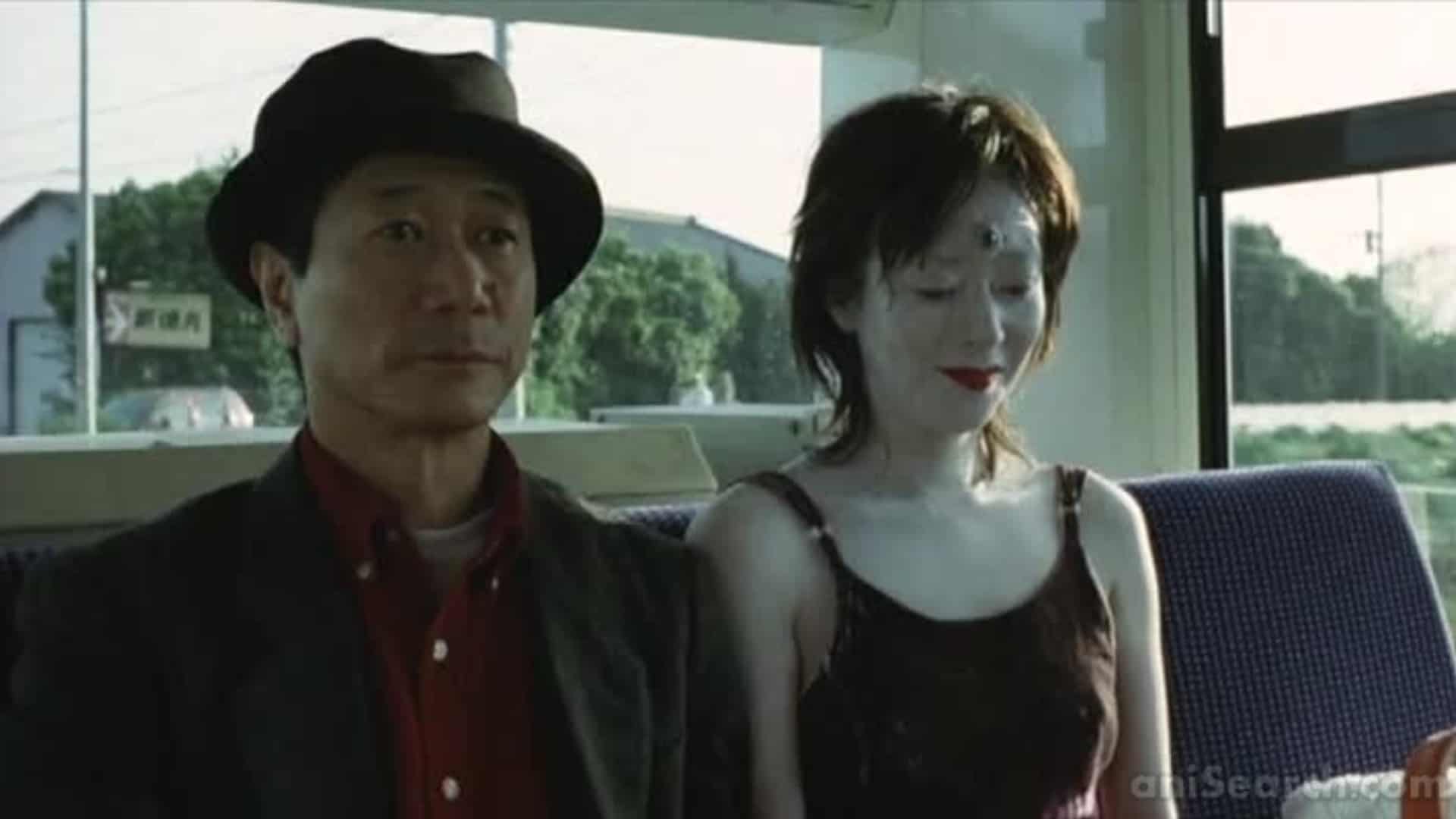
Uncle Takashi suddenly appears in the small town where his squid-fishing nephew Haru lives. He does not sleep at night because he always experiences horrific nightmares, while, when awake, he is constantly horny. Expectedly, his appearance has a major impact on the local women and becomes a constant annoyance to his nephew. At the same time, a series of strange occurrences involving squids, snakes and vampire-like creatures begins to transform the town.
Shinji Imaoka implements a comedic approach towards his family-drama premises, with the uncle’s quirkiness and the reactions of the locals being the main sources of humour. He also manages to make comments about living in small towns, with the lack of opportunities for work and relationships presented as a source of friction. The appearance of fish-like, demonic and sex-crazed creatures gives a very different hypostasis to the film, as the screen is filled with ink-like liquid, lust and elements of horror. Imaoka’s work differs significantly from much of the category through its absurd comedy and fantasy, both of which are exemplified in this strange but definitely entertaining production.
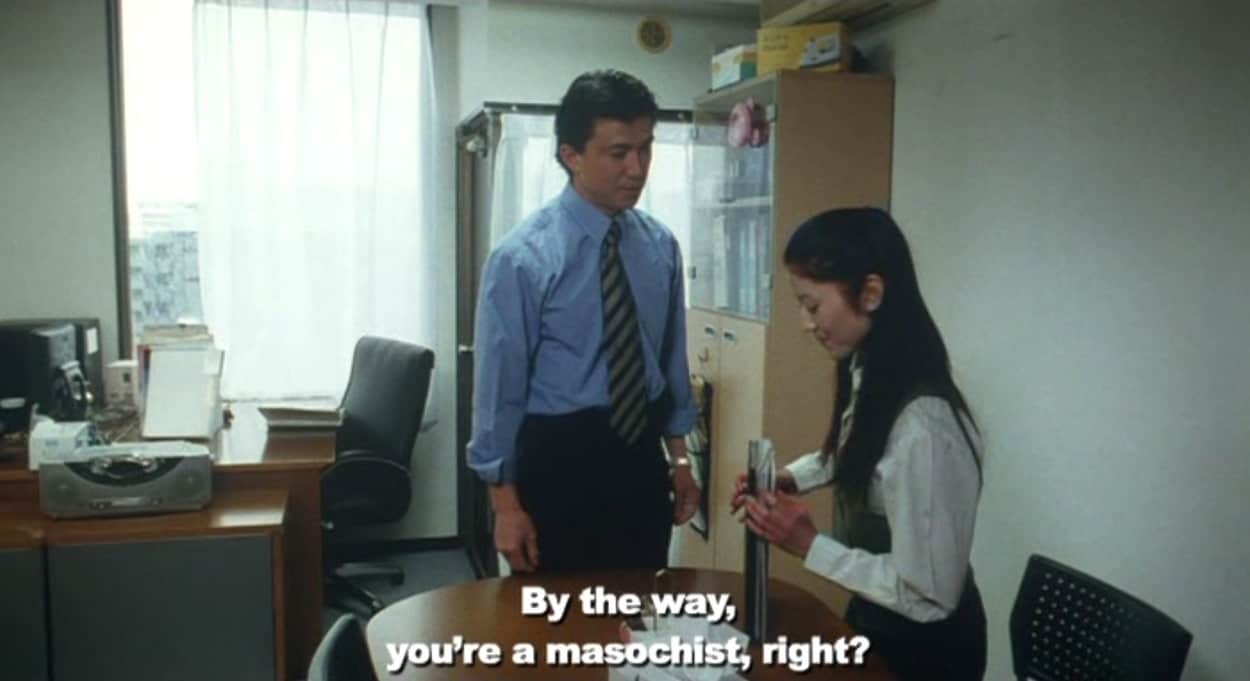
During high school, Rinako discovers that she is a masochist. With little regard for her future, she explores her newfound sexual pleasures before landing a typical office job. It is not long before she discovers that her boss is a sadist, and he promptly asks her to become his slave. The two embark on an increasingly intense affair, but complications soon lead Rinako to question the direction of her life.
Rinako narrates the story from start to finish, and through her perspective the audience gains a better idea of the inner conflict regarding her masochistic tendencies. The most interesting turn comes when she temporarily gives up her life of pleasure to settle into a more socially acceptable existence. Her struggles with maintaining this change are indicative of the troubles people generally experience when giving up any vice. The message from screenwriter Akira Fukuhara is intentionally ambiguous, making the film far more pondersome than one might expect. The humiliating scenes may be what lingers most strongly, but Sato’s tricky camerawork, ambiguous moral stance and striking imagery elevate the project considerably.
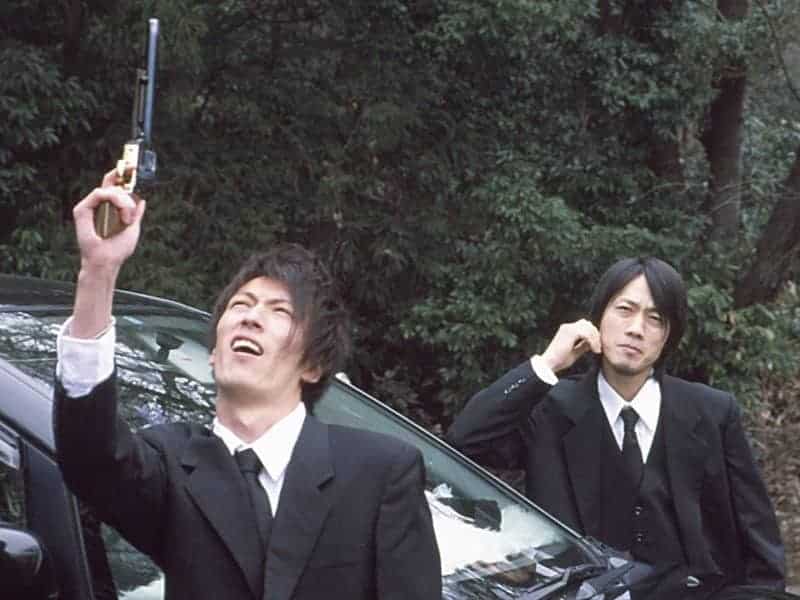
Having spent most of their lives apart, brothers Kenichi and Takashi reunite at their father’s funeral. Although the brothers left their family lives behind many years ago, the death stirs up suppressed emotions and forces them to reflect on their own shortcomings. When one of the brothers hires an escort, he is surprised to discover that she is his sister, who chose to stay behind when the brothers left. Meanwhile, the other brother befriends a waitress and offers to take her away from the small town to live a more meaningful life in Tokyo.
“The Strawberries and the Gun” stands out most notably through its visual presentation. Rei Sakamoto works well within a restricted budget, with the production having an aesthetic and tone more in tune with films released during the Golden Age of the genre. Wider shots and strong location work give the film a greater sense of scale, while the characters are treated sincerely and the erotic material is not allowed to overwhelm the drama. The limited running time prevents the four central figures from being explored fully, but the subtle approach offers a welcome break from fetish-driven pink productions. Sakamoto demonstrates an ability to weave engaging drama into exploitation.
The Muse (2008) by Yutaka Ikejima
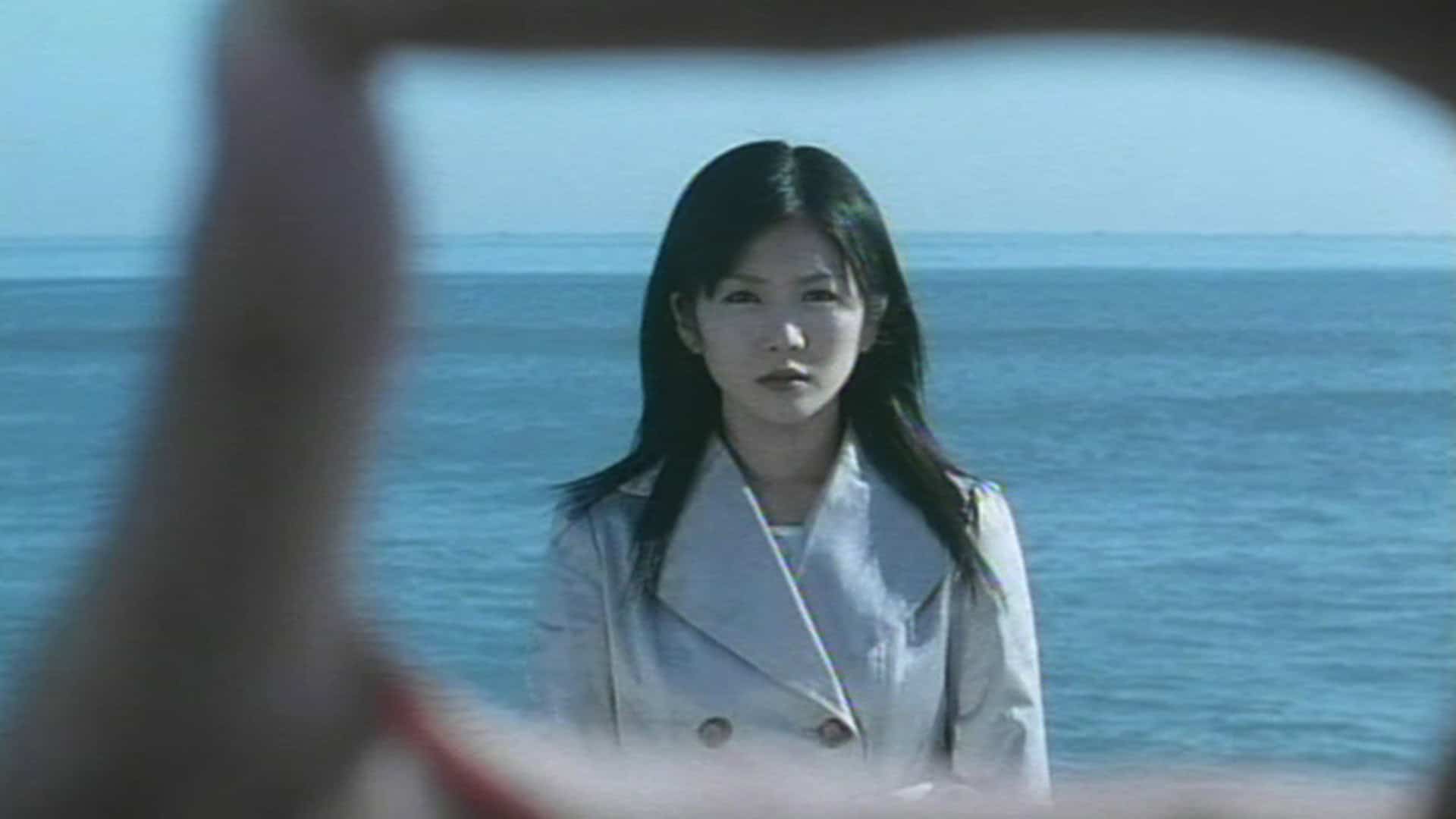
As director Takashima lies on his deathbed, he remembers his life through the image of a young woman appearing on a beach. His memories unfold across three periods, including the collapse of his marriage and professional partnership, his unsuccessful attempts to become a theatre and film actor and the beginning of his career as a director.
For his hundredth production, Yutaka Ikejima created a retrospective of his own career and a film about filmmaking itself. “The Muse” also functions as a documentary-like presentation of the pink industry, depicting what happens behind the camera with considerable realism. The erotic scenes remain important but are less dominant than in many related productions, since the central focus is cinema, ambition and the emotional cost of creation. Shoji Shimizu’s long shots on the beach add considerable artistry, while the performances reinforce the dramatic aspect. “The Muse” is not simply a great pink film, but a great film overall, highlighting the abilities of the category’s filmmakers in impressive fashion.
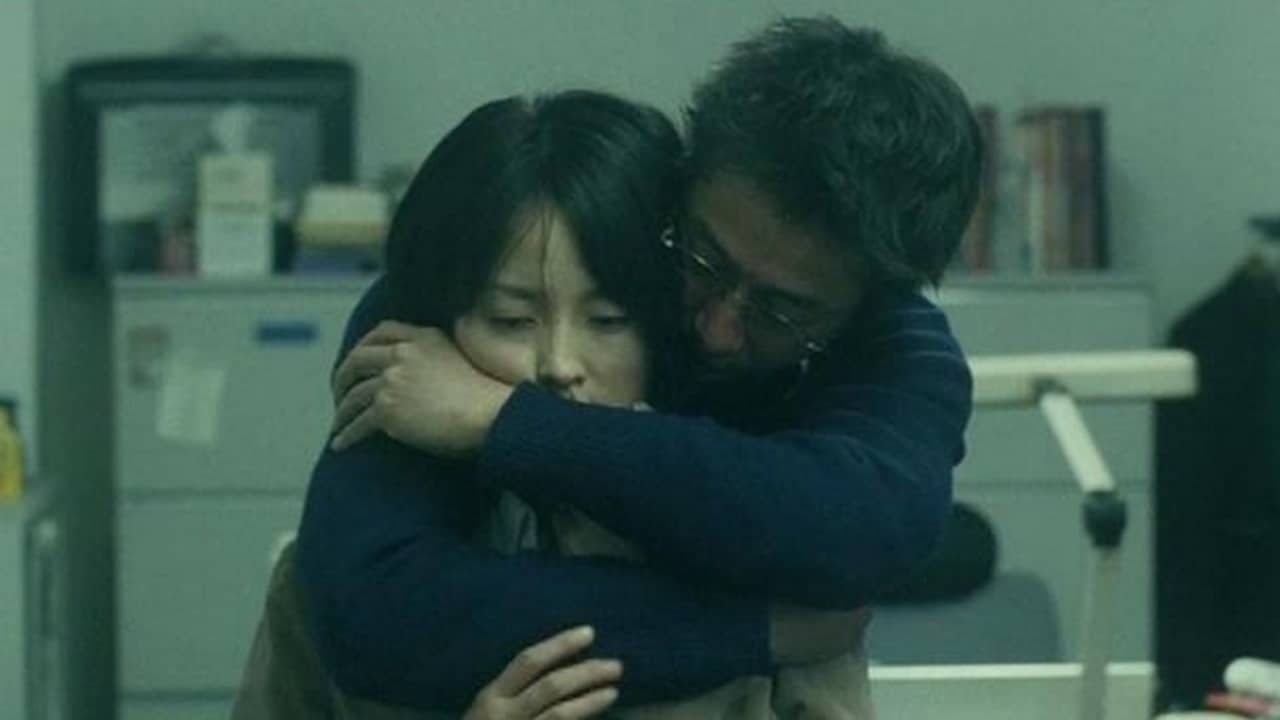
Eiko, an unsatisfied married woman, finds solace in an affair with the younger Mitsuo before ending the relationship because of its emotional strain. Two years later, Eiko’s younger sister announces that she is engaged to Mitsuo. The former lovers pretend they have never met, but grapple with maintaining their secret while the unquenchable thirst in their hearts and bodies continually calls to them.
Shoji Shimizu’s drawn-out shots and elaborately constructed home and bedroom settings allow for a heightened sense of dramatic urgency. The lead performances shine, with Naoyuki Chiba and Kyoko Hayami portraying former lovers trying not to succumb to carnal temptation. “Sexy Sisters of Sorrow” is a sensual and sentimental rollercoaster of love, lust and envy. It may not bring anything innovative to Japanese pink film, but it plays on the genre’s soapy elements in a fun way and handles the classic story of a love triangle effectively.
Snakes and Earrings (Yukio Ninagawa, 2008, Japan)
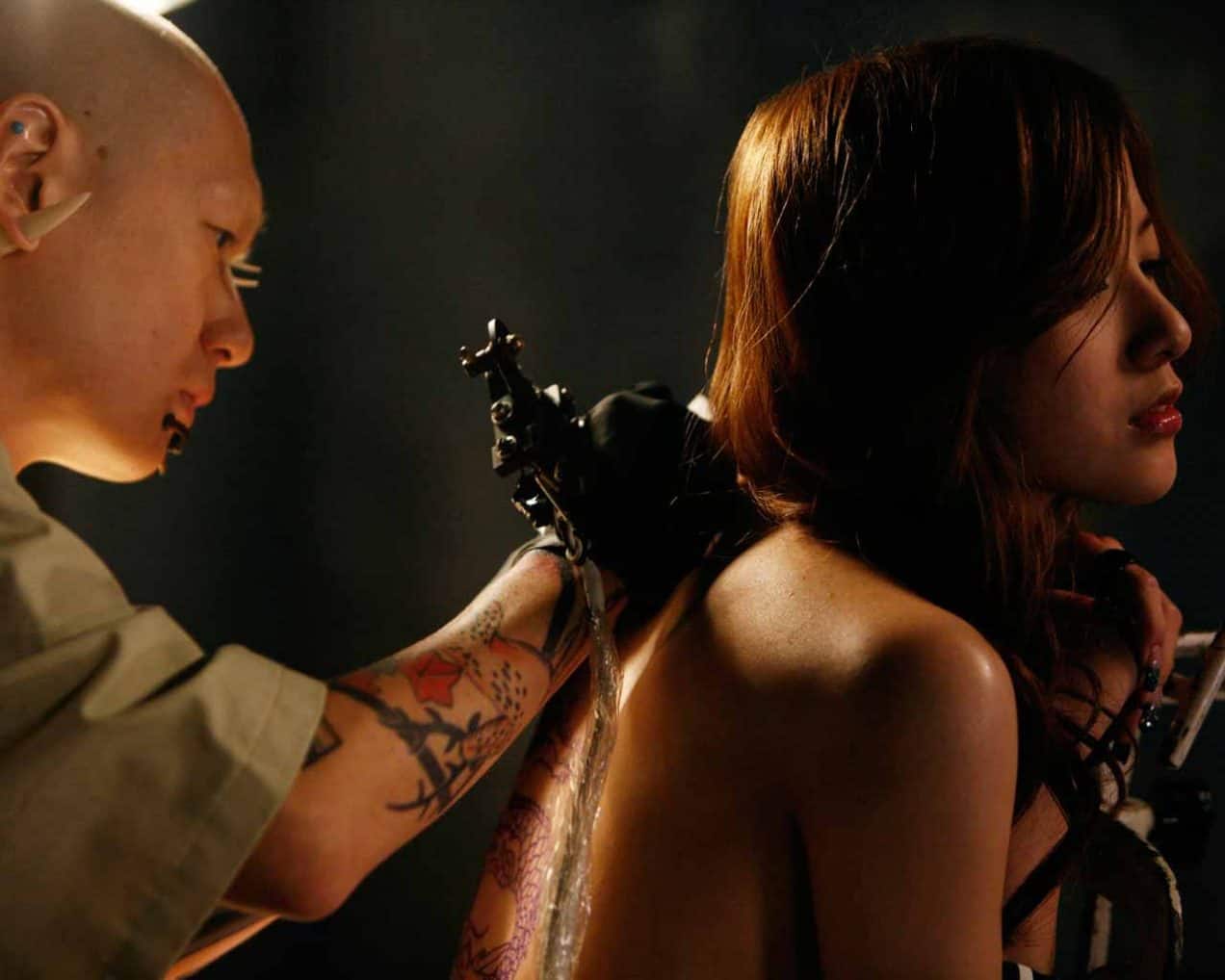
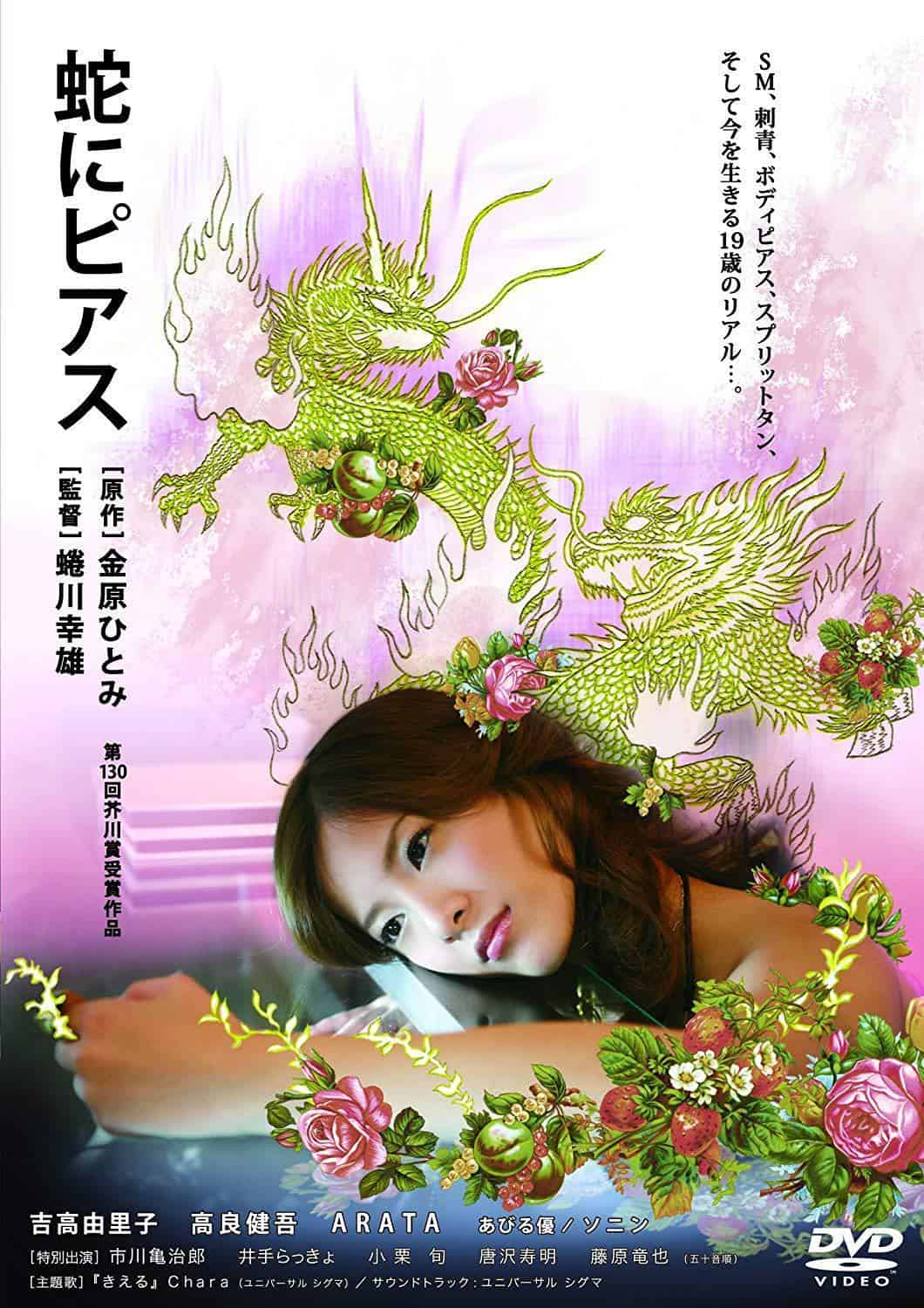
Lui is nineteen years old, beautiful, bored and unmotivated. When she meets Ama in a bar, she finds herself mesmerized by his forked tongue and moves in with him and has her own tongue pierced. Determined to push her boundaries further, she asks Amas friend Shiba to design an exquisite tattoo for her back. But what Shiba demands as payment for the tattoo leads Lui into a brutal and explicit love triangle like no other. Then, after a violent encounter on the backstreets of Tokyo, Ama vanishes and Lui must face up to the reality of her life.
Yukio Ninagawa directs a movie adapting the novel as closely as possible, with the visualization of the characters in particular being excellent. The comments about love and sex and how one can exist without the either, even for long periods of time, is quite interesting, as much as the elements that carries the movie for the majority of its duration. Yuriko Yoshitaka, Arata Iura and an unrecognizable and quite impressive Kengo Kora give great performances.
Buy This Title
by clicking on the image below

Lilico is the top Japanese female idol: Stunning to perfection, kind, funny and generally, socially unblemished, she is a woman every teenage girl wants to be like and every man wants to conquer. Underneath that flawless facade though, a plethora of secrets and discrepancies is lurking. Lilico is actually an insecure, shallow, malicious and overall sad individual that permanently obeys the commands of her corrupt and emotionless manager, Hiroko Tada and is totally depended upon her assistant, Michiko Hada. The latter actually arranges everything in her daily life, from her schedule to what she is going to eat and truly adores Lilico, no matter how harsh she treats her.
The director, Mika Ninagawa presents us with another visual object of virtu, six years after her last movie, Sakuran. Chiefly a photographer, Ninagawa gives great attention to the cinematography, costumes and the overall design of the movie, bathing it in vivid colors and extreme images. Helter Skelter though, is so much more than an optical extravaganza.
Buy This Title
by clicking on the image below

Makeup Room (Kentaro Sakai, 2015, Japan)
The script revolves around the lives and personalities of 5 AV actresses, their thoughts, dreams and on and off set issues, although the main lead is Kyoko, a makeup artist with a sympathetic ear, which tries to solve every kind of problem, while focused on making the girls look exactly as the director wants them to.
Kei Morikawa makes a point of showing to the spectator that the adult film industry is not completely different from the “regular” one and that the people in it, are not sex crazed drug addicts, as the majority believes, but regular individuals that simply love having sex and do not mind getting paid for it. In that aspect, Saki, who thinks she is ugly, is disappointed because she hardly ever gets picked in the auditions, Masako reminisces with a sense of nostalgia the time when she was the main lead and Masami acts like a star (she whines when informed that she is having a lesbian scene, because she just had a manicure) and everybody around her treats her so (She gets to pick first which bento she is going to eat). I have to admit though, Beni Ito, who plays the latter, is gorgeous.
Buy This Title
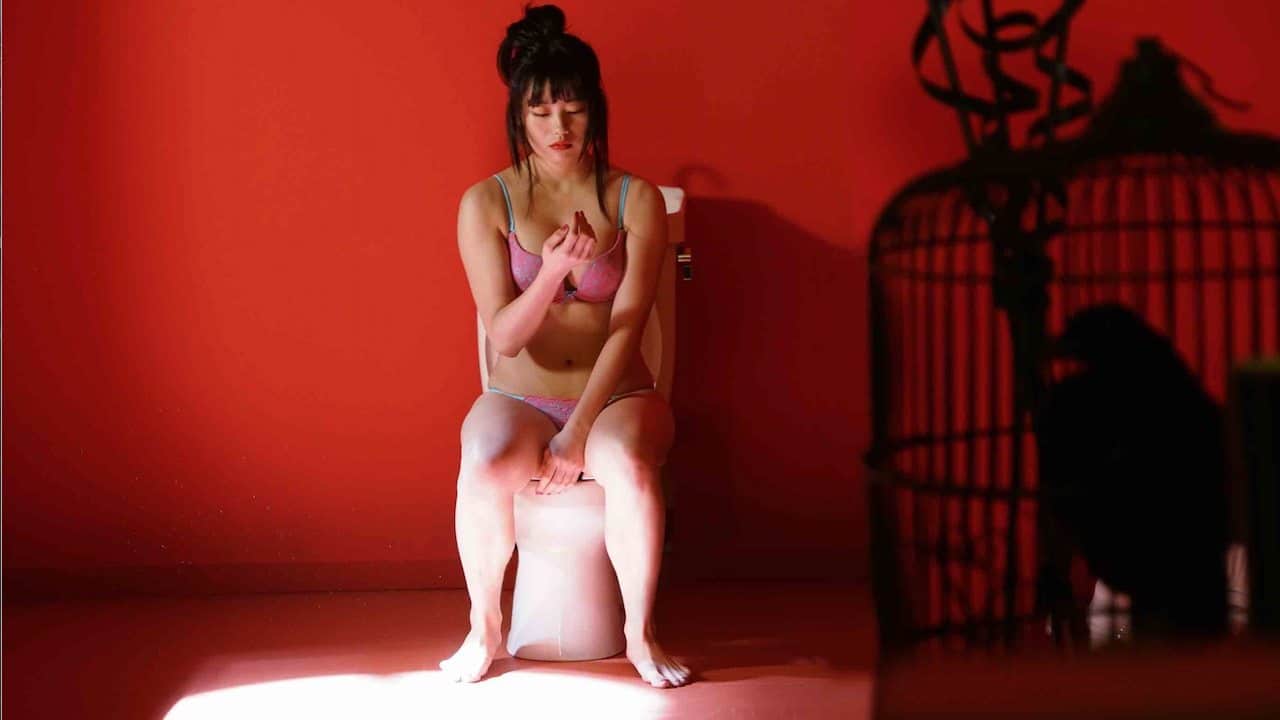
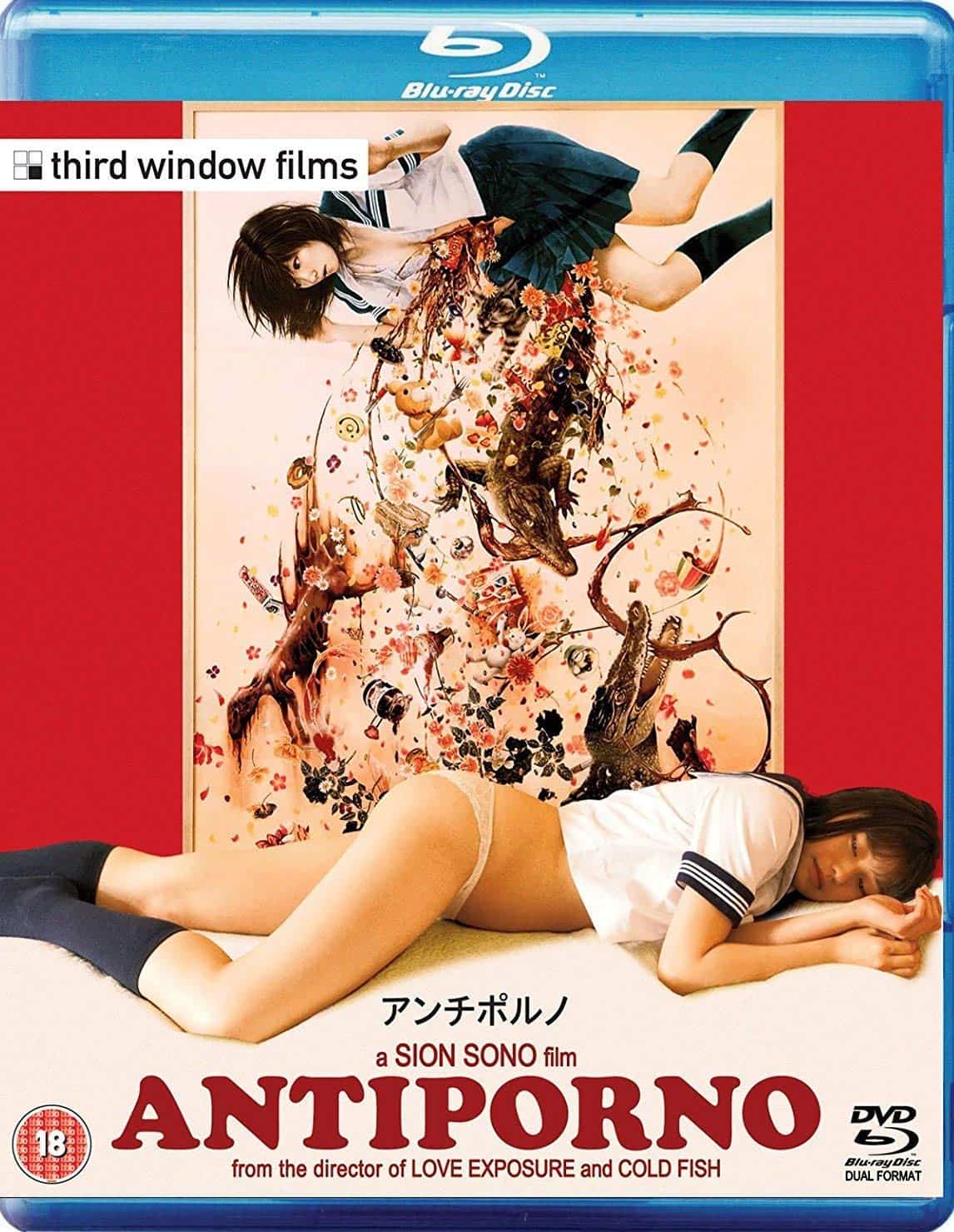
Celebrity artist and novelist Kyoko takes pleasure in tormenting everyone around her, especially her docile assistant Noriko. The film begins with a typical day in Kyoko’s life, but all is not what it seems, and Sion Sono breaks the fourth wall by revealing that the action is taking place on a film set. Most of the story unfolds in the open-plan space where Kyoko lives and works, a location where identity is performative, shifting between past and present, reality and dream.
The emphasis of the Roman Porno Reboot was to move the films away from their misogynistic roots and emphasis on male desire, and towards female subjectivity outside the male gaze. There are the requisite sex scenes every ten minutes, but Sono removes much of the visual pleasure associated with them, cutting away before orgasm and avoiding the trope in which rape supposedly liberates female sexuality. Using a saturated palette of yellows, blues and reds, Sono’s film feels closer to politically motivated pink cinema than to its mainstream cousin. “Antiporuno” is mesmerizing, but rather than becoming a celebration of female desire, it ends in negation, unable to envisage a space between the virgin-whore dichotomy.
Buy This Title
by clicking on the image below

Furuya is a director renowned for making artistic films that have earned him international acclaim but left him with little money. During the shooting of his latest production, an actor withdraws after an altercation, leaving Furuya unemployed and in debt. Now broke, he wanders aimlessly and begins an affair with his former student Yuka, before becoming involved with other past acquaintances. As the film nears its conclusion, it is revealed that there is more to Furuya’s jaded nature and that a harrowing event led him down this path.
The direction services the story well but does nothing in particular to impress. It is the writing by Isao Yukisada and Anne Horizumi that breathes life into the movie. The erotic scenes are well shot and handled tastefully. Despite his blasé attitude, Furuya treats his partners with a certain level of respect, something that was not always apparent in Roman Porno features. These romantic gestures bring him out of the perverted archetype often found in pink films. Sumire Ashina also recaptures the traits of the stronger female leads of the Roman Porno era: strong, independent, sensual and possessing a certain innocence. The result is ultimately a love letter to that period.
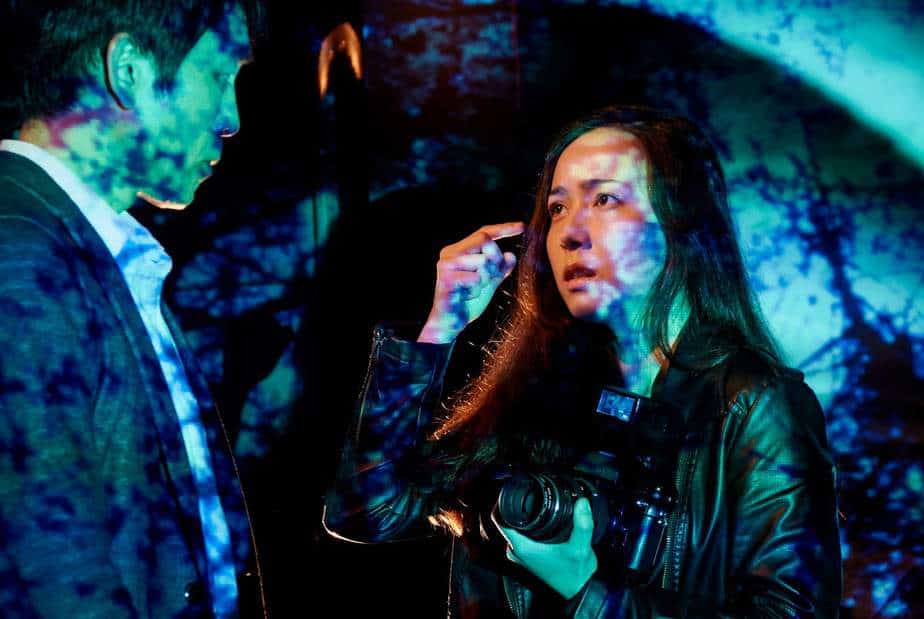
Maya was abducted and raped as a child by a man who removed one of her eyes, forcing her to replace it with a prosthetic and leaving her obsessed with vision. As an adult, she is a photographer who hunts people through the streets and pushes her camera close to their faces. She eventually meets a neurologist who wishes to make a film about her, while a killer who attacks people and removes their eyes begins roaming the city.
Hisayasu Sato directs a paranoid film where the borders between fantasy and reality are very thin, and which is filled with abnormal eroticism and sadism. However, the movie is not entirely about gore and sex. Sato makes a distinct comment about the way people perceive the world through their eyes and presents voyeurism in extreme fashion through Maya’s photography. Miki Shigenori creates a hellish world filled with grotesque close-ups, fluorescent lighting, meaningful shadows and digital images. Once again, however, female sexual trauma is used as the foundation for both characterization and exploitation spectacle, a tendency that remained prevalent even in more artistically ambitious productions.
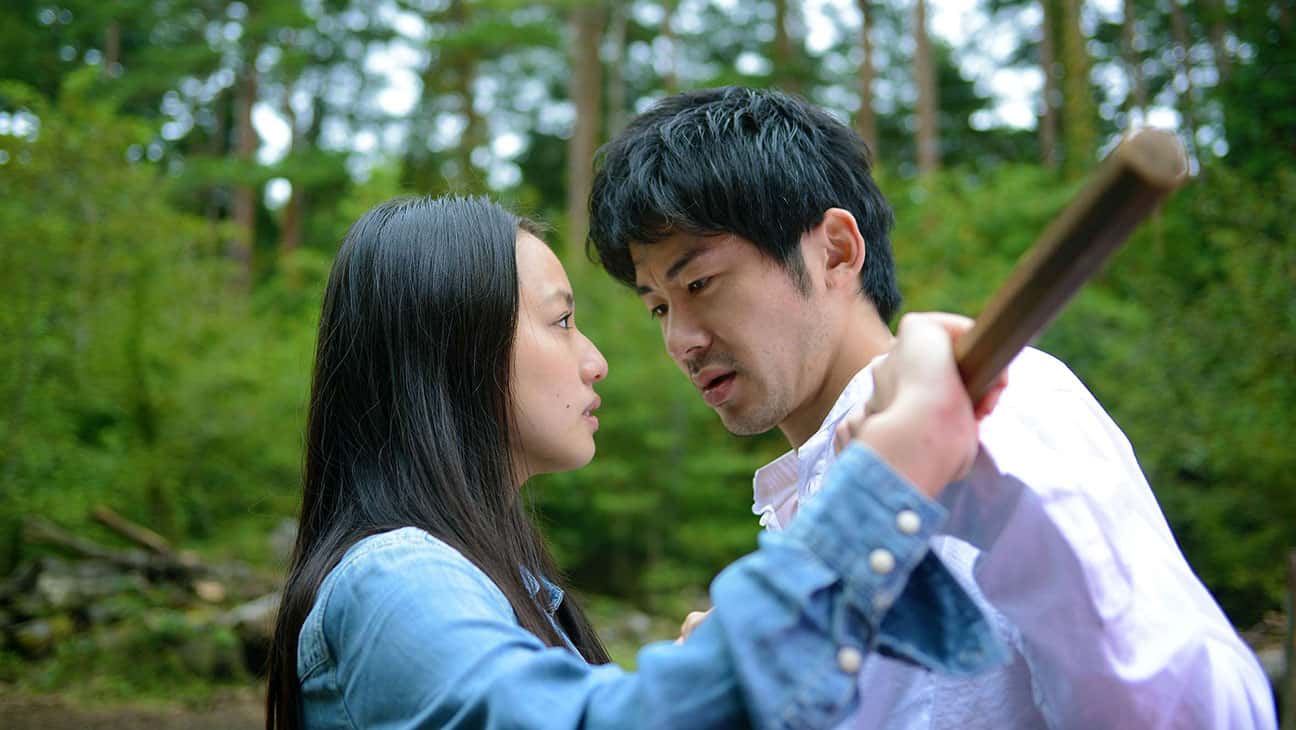
Kosuke, a famous playwright, has built a small hut in the forest near the coast in order to escape the media and the women pursuing him. His plans to work in peace are thwarted by Shiori, a young woman determined to seduce him. As the days pass, Shiori does everything in her power to disturb his idyll, even bringing other men to his hut and having sex with them while he watches or listens from outside.
Using the label pornography fails to define a film such as “Wet Woman in the Wind”, particularly because of its thematic and technical aspects. Kosuke represents the pretentiousness occasionally associated with people working in the cultural sector, while Shiori exposes the ridiculousness of his pose as an artist who requires complete isolation. Their dialogue is filled with funny banter and sexual innuendo, creating a contest over the durability of his new lifestyle. The ramshackle hut also becomes a fitting metaphor for Kosuke’s pompous perception of himself. The movie is a beguiling feature about temptation, seduction and pretentiousness, blending comedy, sex and romance.
White Lily (2016) by Hideo Nakata

Haruka lives and works at the pottery school of Tokiko, a successful ceramic artist. Haruka is madly in love with her mentor and cherishes every moment the two spend together, either making pottery or having sex. However, Tokiko behaves increasingly erratically, drinks heavily and brings men home. When the attractive Satoru becomes her new apprentice, a fatal triangle begins to develop between the three.
“White Lily” is perhaps a more traditional pink film. The ménage à trois serves as the backdrop for suggestive imagery, especially regarding the tactile sensation of touching someone’s body, mirrored by close-ups of people working with clay. On the surface, the ideas of fatal love, infatuation, possessiveness and dependency have considerable potential. However, most of these ideas are revealed within the first fifteen minutes, exposing the paper-thin plot. Even though the sex scenes are elegantly filmed, the movie drags itself towards its conclusion. Hideo Nakata is capable of bending genre conventions, but “White Lily” disappointingly fails to use the freedom promised by the Roman Porno Reboot.

As in “Night of the Felines”, “Dawn of the Felines” focuses on the daily lives of sex workers, detailing their interactions with clients in uncompromising but never salacious detail. Instead of a bathhouse, the women now work as escorts at Young Wives Paradise. They are Yui, a single mother; Misako, a university graduate who has become homeless due to debt; and Rei, a married woman whose infertility has led to depression.
While the original Roman Porno cycle was marketed as romantic pornography, there is an absence of romance in “Dawn of the Felines”. The sexual encounters are marked by a mixture of despair and self-loathing. Sex is there because it is part of the women’s day-to-day lives and the one commodity they can exchange for money when everything else fails. Videos of the women are secretly placed online, allowing the film to unveil the hypocrisy of Japan’s sex industry, where extreme sexual violence is permitted as long as penetration remains hidden behind mosaics. Against the neon background of Ikebukuro, their lives spiral out of control, producing a critical commentary on male desire and late-capitalist alienation.
The Limit of Sleeping Beauty (Ken Ninomiya, 2017, Japan)
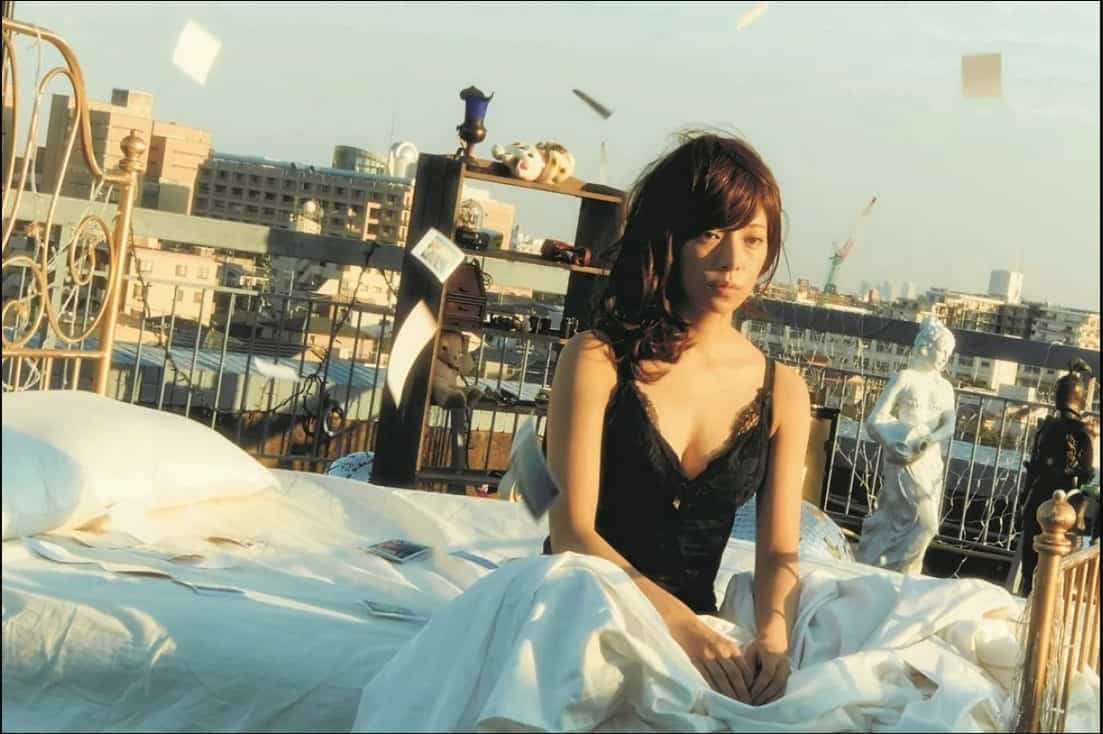
The story revolves around Aki Oria, a young girl who came to Tokyo ten years ago to become an actress, but eventually ended up staying in a circus of sorts, having a relationship with Kaito, the young man who introduced her, and acting as the magician’s assistant, with her role being pretending to be hypnotized. Eventually, she manages to land a part after a successful audition, even becoming a star, before a scandal takes a significant toll to her reputation. Is that the reality though? And who is this clown-like figure she calls Butch that seems to always be with her? And why is that bedroom placed in a roof of a building? As Aki begins to lose her grip with reality and succumb to confusion, so does Ninomiya lead his audience down the same path.
On the other hand, Ninomiya also has a lot working for him. The fact that he shows a tendency to both adore and torture his protagonist, is one of the best aspects of the narrative, with Yuki Sakurai embellishing this approach with her acting in both cases. The way she portrays a number of different psychological statuses, including happiness, love, despair and madness is captivating, despite the fact that occasionally her performance is blurred by the deliriousness of the story and the intense music video aesthetics. The film also benefits the most by her obvious beauty and sensualism, with Ninomiya showing her nude in a number of artful (erotic) scenes, that definitely add to overall visual brilliance of the movie. The second most memorable performance in the film comes from Niino Furuhata as Butch, who functions as the personification of Aki’s thoughts quite convincingly; in another performance that fits the narrative nicely. (Panos Kotzathanasis)
Buy This Title
by clicking on the image below
Call Boy (Daisuke Miura, 2018, Japan)
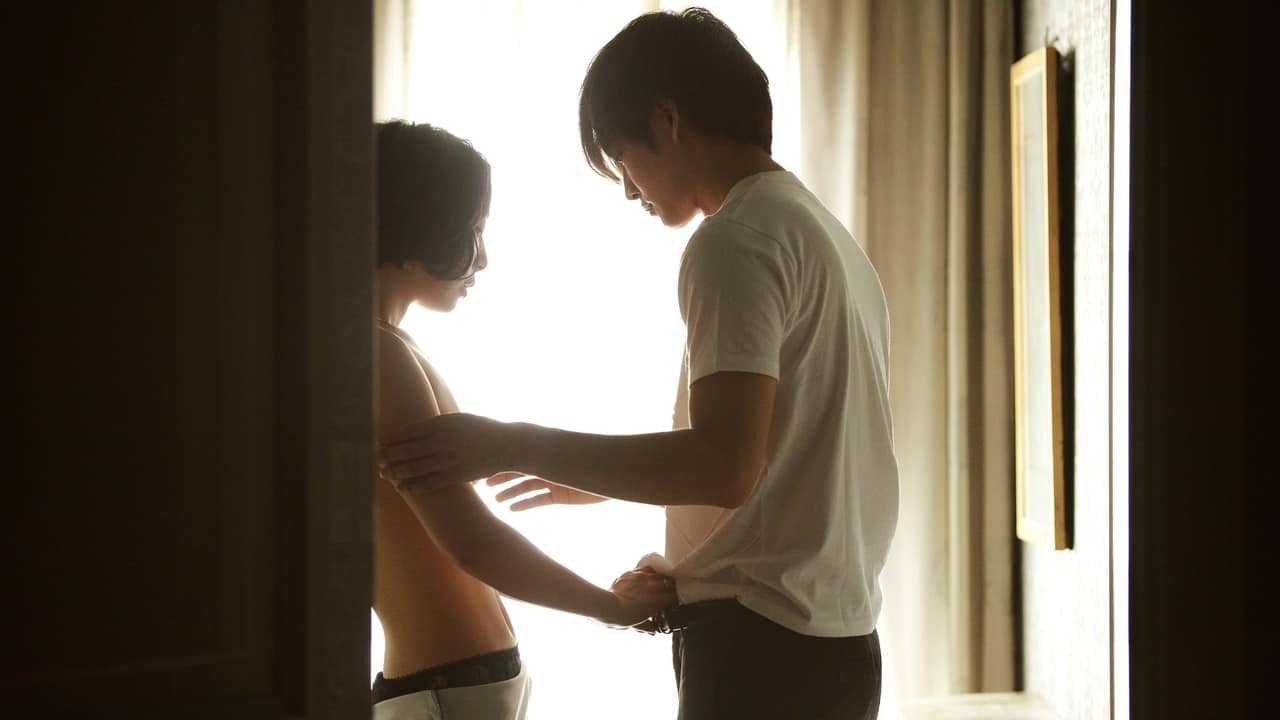
The film revolves around Ryo, a university student who works part-time at a bar, trapped in an uneventful life, stripped of any kind of purpose. All these, however, change when his friend Tajima introduces him to Shizuka Mido, a woman who runs an escort service for women. Mido takes completely control of Ryo, first testing his abilities in sex by making him have intercourse with a Sakura, a deaf girl who seems to be under her protection, and actually evaluates his performance, giving him pointers to improve in bed. Soon Ryo finds himself with a distinct sense of purpose, to satisfy even the most “extreme” women’s desires, while learning much about a gender he used to consider boring. By exploring their desires, he is eventually forced to take a look at his own, and consequently, himself as a whole.
Let us begin with the obvious. Daisuke Miura has directed a film that includes a plethora of the most graphic sex scenes ever to appear in a mainstream film, that combine realism, both in image and sound, with a visual prowess very rarely witnessed in erotic films. This elaborateness benefits the most by Jam Eh I’s stylistic cinematography, which permeates the whole film, inducing it with a dreamy atmosphere that occasionally touches the borders of the noir. This sense is also implemented by Zensuke Hori’s editing, that allows the film to proceed with a relatively slow pace, which seems to suit its general atmosphere in the best way. Hirokazu Kato’s sound is also a major factor in the realistic presentation of the erotic scenes, while the jazzy soundtrack by Yoshihiro Hanno heightens the overall aesthetics of the film even more.
It Feels So Good (Haruhiko Arai, 2019, Japan)

Akita and Naoko are cousins but also used to be lovers some time ago. Since then, however, their lives have taken completely different paths, with him getting a divorce and becoming unemployed, partly due to the 3.11 impact and her getting betrothed to a military officer and rich in the meantime. When Akita is invited back to their hometown to attend her wedding, Naoko asks to meet him, supposedly to help her move her new TV to her new house, but it is soon revealed that her purpose is not only to reminisce about the past, and the two end up having sex. However, the deed wakes up Akita’s sleeping libido and the two soon find themselves spending their time together having sex and talking about the past. Naoko insists that this will only last for 5 days, until her fiancé returns from a trip.
Also impressive is the way the sex scenes are designed and shot. Both protagonists are beautiful, but by no means outwordly beautiful, with the lack of full body make up (as is usually the tactic) adding to their realism, as the viewer can actually see the “flaws” in their skin and overall body. The same applies to the acts, which are not as cinematic as usual, but instead focus on realism, perhaps with the exception of the few scenes of public sex. The same applies to Chieko Suzaki’s editing in those scenes, who uses long takes instead of many brief ones that usually suggest a change of position. (Panos Kotzathanasis)
19.Under Your Bed (Mari Asato, 2019, Japan)
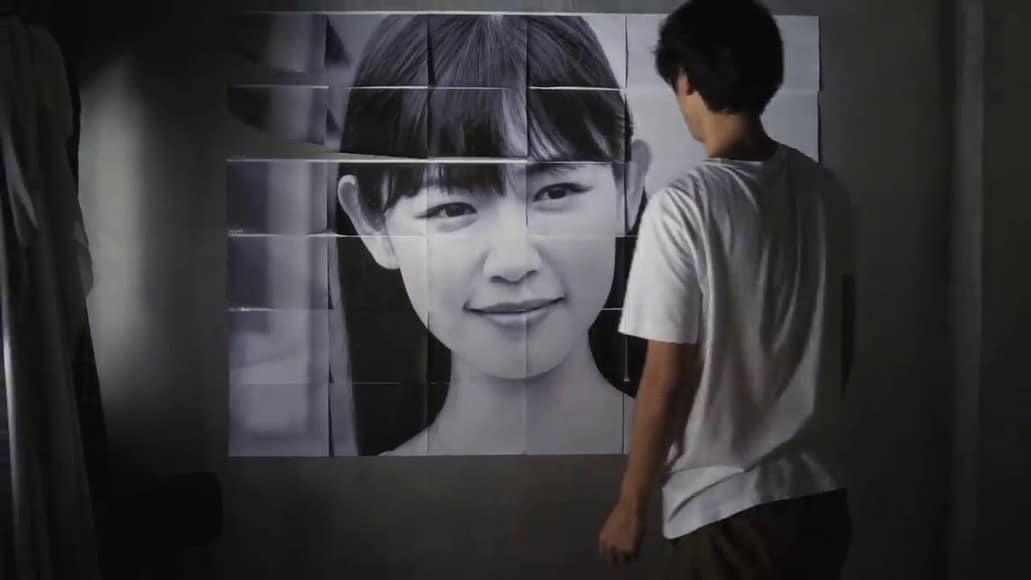
Ever since his childhood, Naoto (Kengo Kora) has been neglected and ignored by his parents, his classmates and especially by girls, to the point not even the fact he was missing from his class photo was noticed by anyone but himself. Obviously, when someone addresses him and talks to him, he feels quite special, especially when this person is Chihiro (Kanako Nishikawa). After they have had some coffee together and she expressed interest in his hobby, the breeding of guppies, Naoto becomes obsessed with her, even though a second meeting does not take place for quite some time. Years later, after he finally found out where she lives, Naoto sets up his own fish store in the vicinity of where Chihiro, now married and a mother, lives with her husband. As he observes the couple, even sneaking into her home when Chihiro’s husband is gone, he eventually finds out how she is been abused and humiliated by him. While still wanting to keep his distance, he now also feels a need to act and stop Chihiro’s husband.
However, while this might give the film’s narrative some psychological depth, it also confronts the viewer with a troublesome dilemma. The perspective of what is essentially a stalker or peeping tom, the view through his binoculars or telescope become our view as well, adding to the discomfort you feel with the central character. Especially in the scenes during which Naoto actually witnesses the physical abuse of Chihiro, become quiet disturbing, considering what he does is psychological abuse, not matter how much his voice-over romanticizes these facts. (Rouven Linnarz)
20. No Longer Human (Mika Ninagawa, 2019, Japan)

Opening on one of his many failed suicide attempts, in which he loses his lover but himself survives, we are then introduced to Osamu Dazai’s domestic situation, to his alcohol and cigarette abuse and to his intense womanising. His long-suffering wife Michiko tends to her two little kids while pregnant with a third, and also takes care of a drunken Osamu if he does return home some nights, turning a blind eye to his affairs because she knows that is what fuels his talent. A tryst with a wannabe-writer fan Shizuko results in a pregnancy and a massively successful book “The Setting Sun”, for which he takes inspiration from Shizuko’s personal diary. But that still doesn’t stop him getting in a relationship with Tomei, who is initially reluctant to fall for this womaniser but eventually gives in to his handsome looks and evident talent. This relationship, in particular, gets rather toxic and as his dependence on alcohol, cigarettes and the fairer sex increases, the substance abuse begins to take a toll on his health, while his relationships start affecting his life and work as a whole.
Instead of a well-rounded biopic, Ninagawa, working off a script by Kaeko Hayafune, decides to focus on Dazai’s relationships with these three women, who were in fact part of a long line in his life, and how they affected his life, both personally and professionally. Dazai was a man that took influence from the ladies in his life for his works, portraying them either exactly as his muses or their polar opposites. In that sense, readers and contemporaries think that the character in “Villon’s Wife” is based on his own wife when in fact Ninagawa purports that it’s the exact opposite of her, “The Setting Sun” is said to be a novel of his and Shizuko’s affair, and his last great work “No Longer Human” stemming from the toxicity of his relationship with Tomei. The depiction of these relationships is admittedly quite well done and the emotions brought forth very raw and convincing. (Rhythm Zaveri)
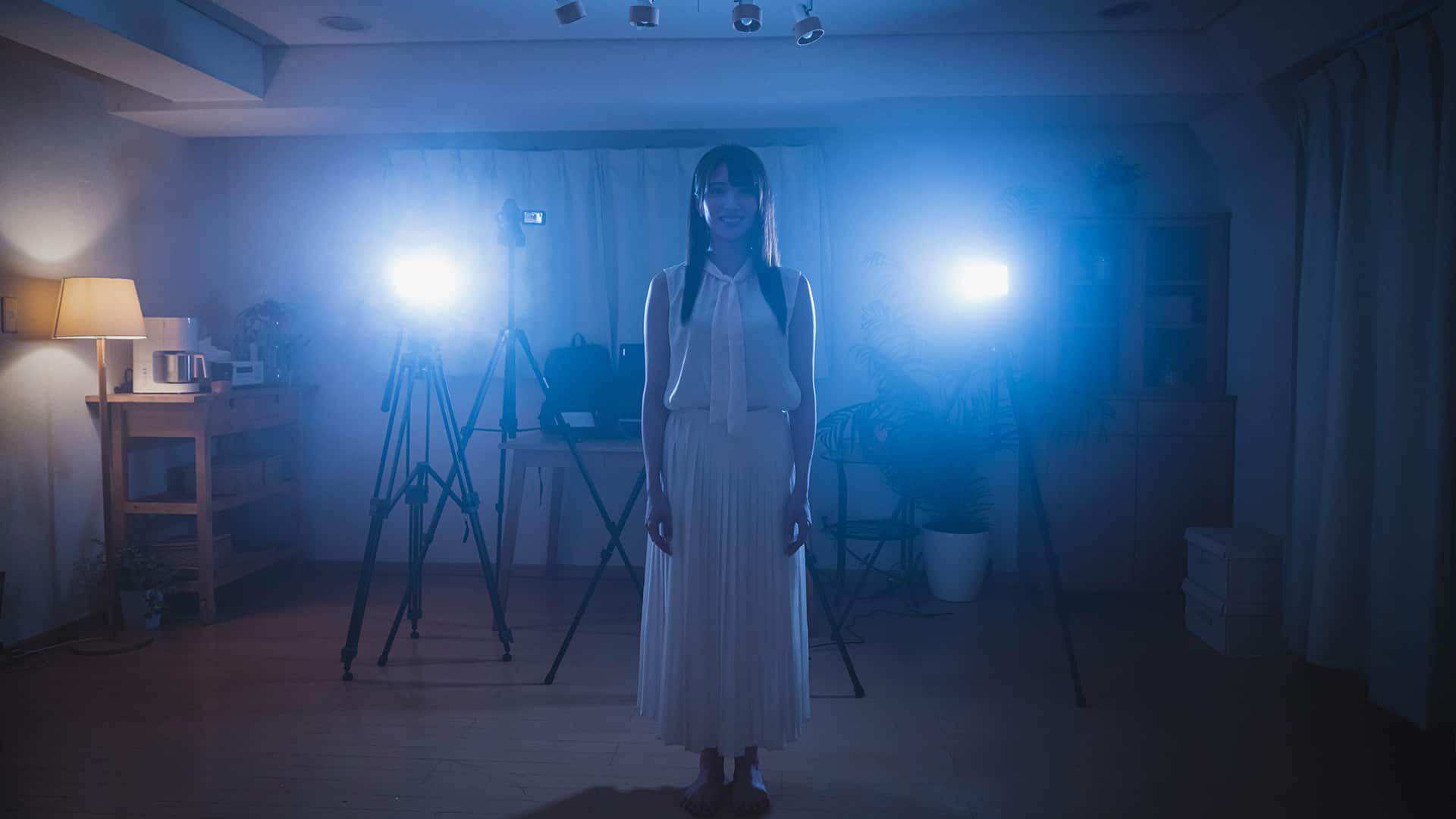
Ayako and Keisuke are a seemingly loving couple who have made a career by filming their everyday lives for YouTube. Keisuke is constantly in front of his phone’s camera, except when he has sex with his female colleagues. Even after several of them turn up dead, he continues his behaviour, while the danger surrounding the couple becomes increasingly intense. Ayako, who initially appears naïve, gradually reveals that she understands much more than her husband assumes.
Amane Sato directs a distinctly pink film in terms of duration, frequency of nude scenes and limited budget. On a narrative level, however, the movie recalls the Golden Age, when such productions used sex to discuss social issues while boasting a high artistic level. The most impressive element is the way Sato presents a relationship that appears cheerful, but makes evident that something is wrong through subtle scenes, abrupt cuts and small gestures. The obsession with social media, and the way online exposure has replaced everyday life with constant performance, makes the film truly stand out. It is an excellent production and a testament to the fact that the pink-film industry may be in decline, but is definitely not dead.
Shape of Red (Yukiko Mishima, 2020, Japan)
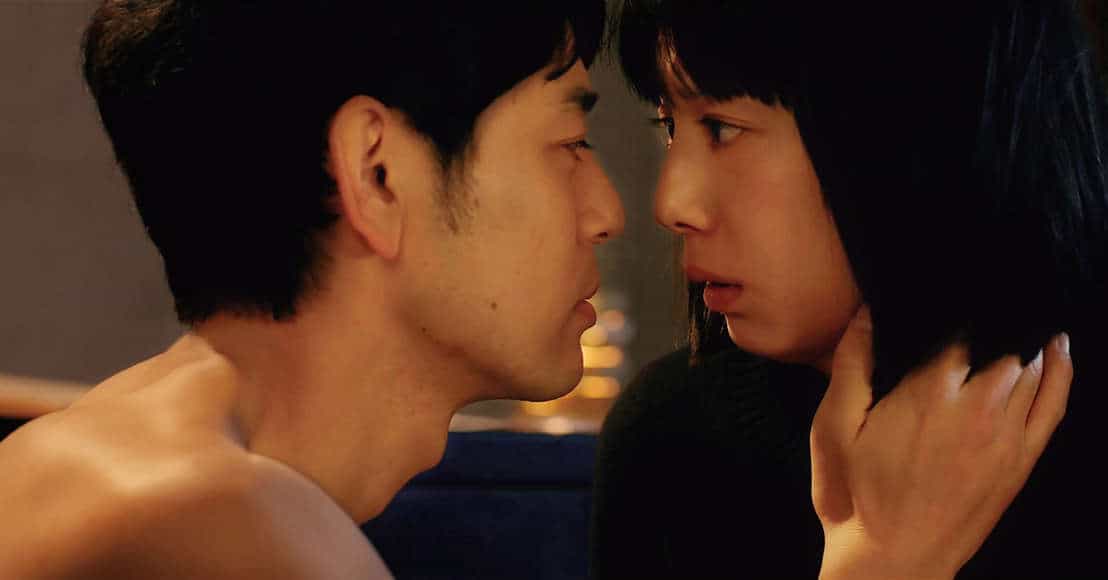
In her adaptation of Rio Shimamoto’s novel “Red” titled “Shape of Red” we follow the story of Toko (Kaho) who is married to a successful businessman (Shotaro Mamiya). Even though she had been planning to continue working after childbirth, she has settled on being a housewife and a mother to their daughter while her husband is gone for most of the day, busy with his job. However, while attending a formal meeting with her husband, she meets Akihiko Kurata (Satoshi Tsumabuki), a man she had an affair with ten years ago. Although it has been years since, both of them still feel very attracted to each other.
“Shape of Red” is an engaging drama about a woman having to make a decision in her life and discovering how she is able to design her life according to her wishes. Visually beautiful and deeply layered, as well as supported by a great cast, Yukiko Mishima has managed to make a very timely film whose themes and images will surely resonate with audiences. (Rouven Linnarz)
Hotel Iris (Hiroshi Okuhara, 2021, Japan)
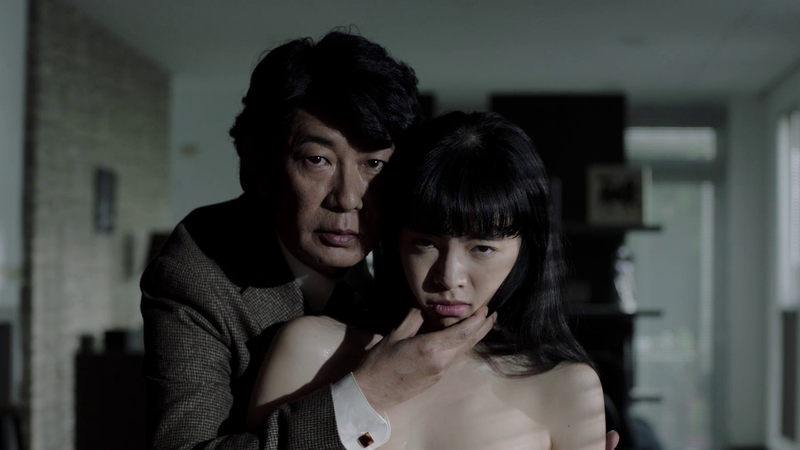
Hotel Iris is placed in a somewhat decrepit Taiwanese coast, which tourists and locals seem to share with a number of prostitutes. The hotel is run by a woman in her 50’s who seems set on appearing much younger than she actually is, a tendency that extends to the way she dresses and makes up her face, and the way she conducts herself along younger men. At the same time, she has a rather passive-aggressive relationship with her lonely, half-Taiwanese daughter Mari, which is eloquently mirrored in her obsession with having her hair always impeccably made in the exact same way.
Lastly, the narrative is concluded by the permeating eroticism, with the many S&M scenes being both violently sensual and artful, highlighting the excellent job in both cinematography and direction. This combination, along the performance of Lucia as Mari and Masatoshi Nagase as the translator in those scenes prevents them from becoming distastefully pornographic, instead highlighting their violent nature through a rather elegant approach that actually adds to the psychograph of the two protagonists. Particularly the framing, which both allows and prevents the viewer from witnessing Lucia’s impressive body, emerges as one of the best parts of the film.
Ride or Die (Ryuichi Hiroki, 2021, Japan)
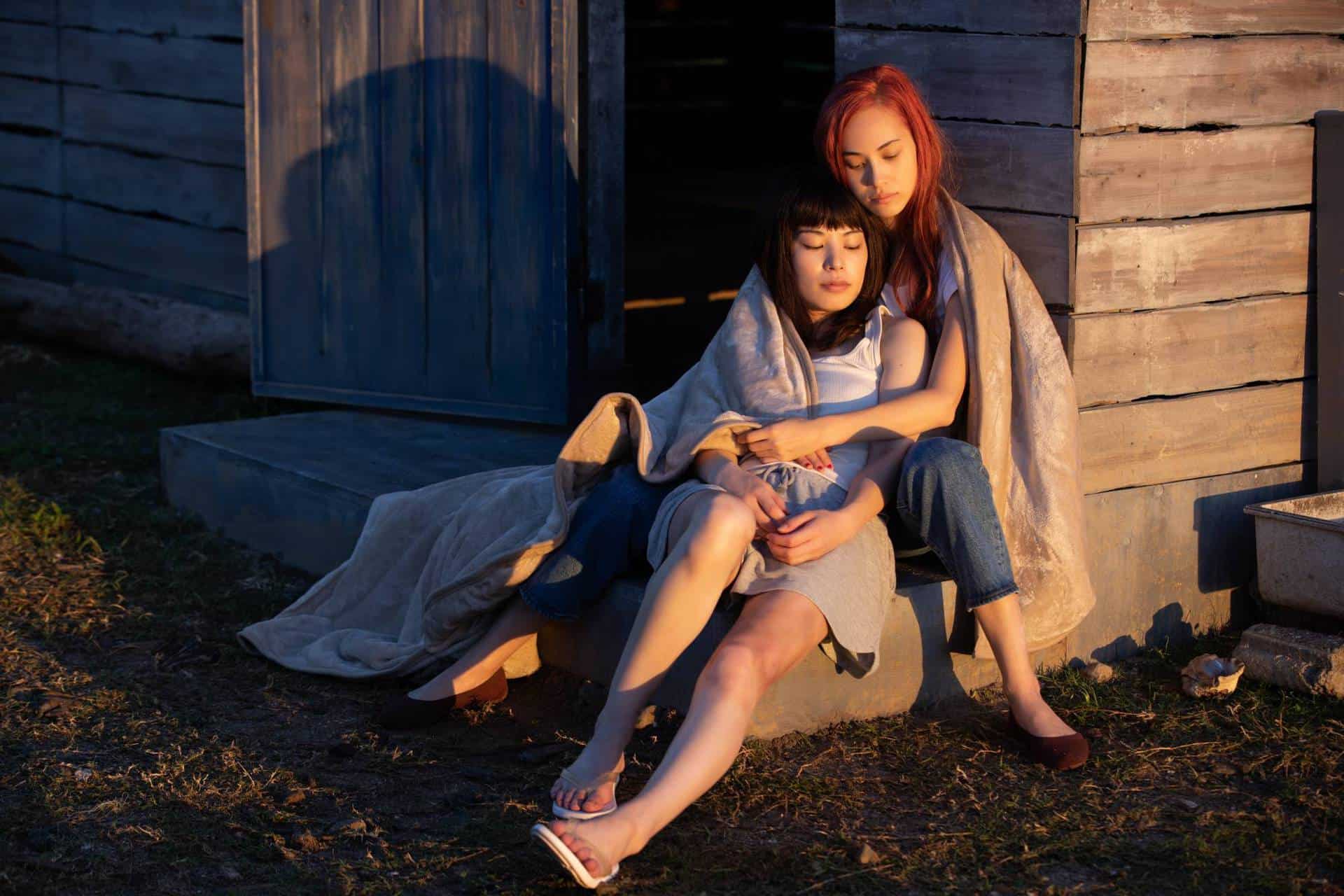
The most memorable scene in Ryuichi Hiroki’s Netflix thriller “Ride or Die” is its most brutal one, in which a whole bedroom gets painted in Dario Argento red after few minutes of rather pink activities. Those we can count are but a few, but when they happen, Hiroki is fast to return where he had started many years ago. Naked skin is famously something that made his career, and once the erotic wheel starts rotating it takes a wee bit of time to put a halt to it. For the audience who can totally live with only three minutes of canoodling/ making love instead of six – these moments are ideal for visiting the restroom or pouring a glass of whatever. For the others, six minutes will be too short because some sexual fantasies never cease to excite specific type of viewers.
Dialogues feel less chaotic than the build-up of portraits of two lead characters who are more disconnected than connected to each other. We meet Rei (Kiko Mizuhara) right at the beginning, when she embarks upon the road without return. It looks like she’s just after casual sex when she buys a drink to a middle-aged man seated at the bar, although it does look strange she would pick up just him – a passive-aggressive type with unpleasant character who readily accepts her offer of having sex in his house because she “gets excited when she has sex in a house tidied up by someone’s wife”. (Marina Richter)
25. Love Nonetheless (Hideo Jojo, 2022, Japan)
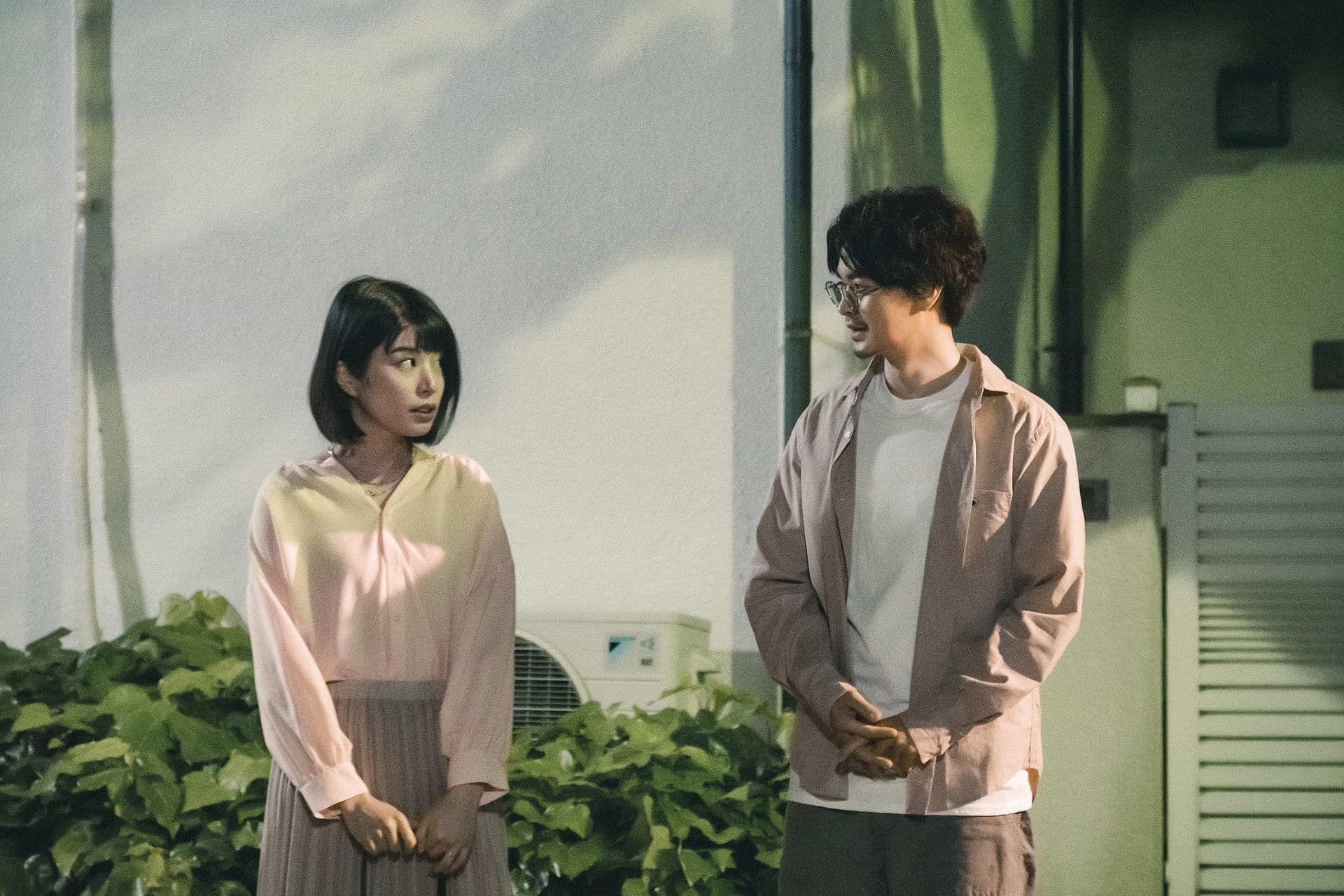
The story begins inside a secondhand bookstore, where the 30-year-old introverted, bookworm type owner Koji chases a school student, Misaki, who has run away with a book without paying. Their interaction however ends up in a rather unusual fashion, since the girl soon confesses her love and her will to marry Koji, even if sex is out of the question, in a cheeky wink to the approach mentioned in the prologue. The young man turns her down, but the girl returns again and again, always giving him a letter insisting on marriage. Little by little, Misaki grows on the lonely Koji, who truth be told, never actually turns her completely away. When a classmate, however, who is in love with her, learns of her feelings for the bookstore owner, things become more complicated. On the second arc of the movie, Ikka, who, not long ago turned down Koji’s woes, is about to get married to salary man Ryosuke, who retains, though, an affair with their wedding planner, Miki, while frequently neglecting his betrothed who has to take care of the wedding arrangements all by herself. The woman eventually realizes what is going on, and his revelation leads her to an unusual decision, of also cheating. The obvious, and easiest choice is Koji…
Furthermore, the love chain/triangle that forms the basis of the narrative, apart from providing many opportunities for sex scenes (which remain organic, though, throughout) works quite well in entertainment terms, also due to the use of quirky humor here, but also allows space for analysis of the characters, and subsequently, the presentation of a series of sociophilosophical comments. Regarding the last aspect, the way love works, and the fact that people tend to want those who do not want them back shines here, as much as the fact that people tend to get married for economical/practical reasons these days, frequently leaving their feelings to the side. The place of women in Japanese society, particularly on romantic/sex terms is also commented upon, particularly through Ikka, with her scene in the bar highlighting the remark in the most hilarious fashion, although Jojo also shows that things have changed in someways at least, and equality is much wider than in the past. (Panos Kotzathanasis)
Safe Word (2022) by Koji Shiraishi
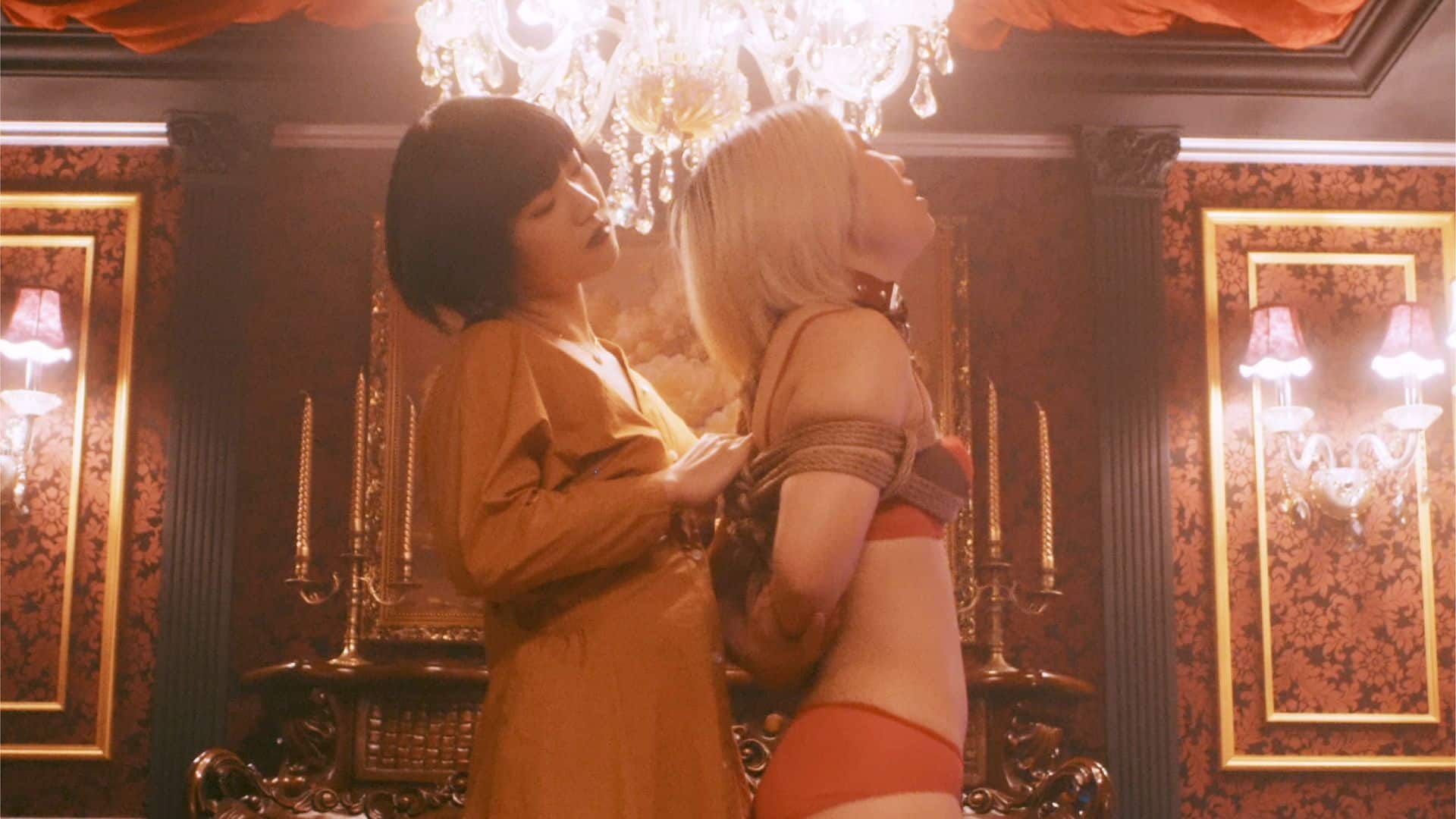
Misa the Killer is an underground idol who is being closely followed by a female documentary filmmaker. The manager of a BDSM club sees one of her angry performances and recruits her as a dominatrix. Misa initially becomes enraged when she realizes what the job involves, but the appearance of the club’s leading mistress, Kanon, changes her stance completely. She soon finds herself enjoying being the victim as much as the aggressor, while Kanon’s dominance over her continues to grow.
Koji Shiraishi’s approach combines the sensuality of Roman Porno with S&M elements, drama, romance and mockumentary techniques. The purpose of the relaunch—to present erotic films grounded in reality and capable of addressing female audiences—seems to be met fully here, as he explores BDSM and the psychology of the people working in the field. The parallel between the BDSM world and the idol industry is particularly interesting, while Misa’s transformation from aggressor to Kanon’s pet and back to aggressor towards her clients adds depth to the narrative. “Safe Word” presents a fresh approach to pink film and the depiction of consensual power exchange.
Hand (2022) by Daigo Matsui
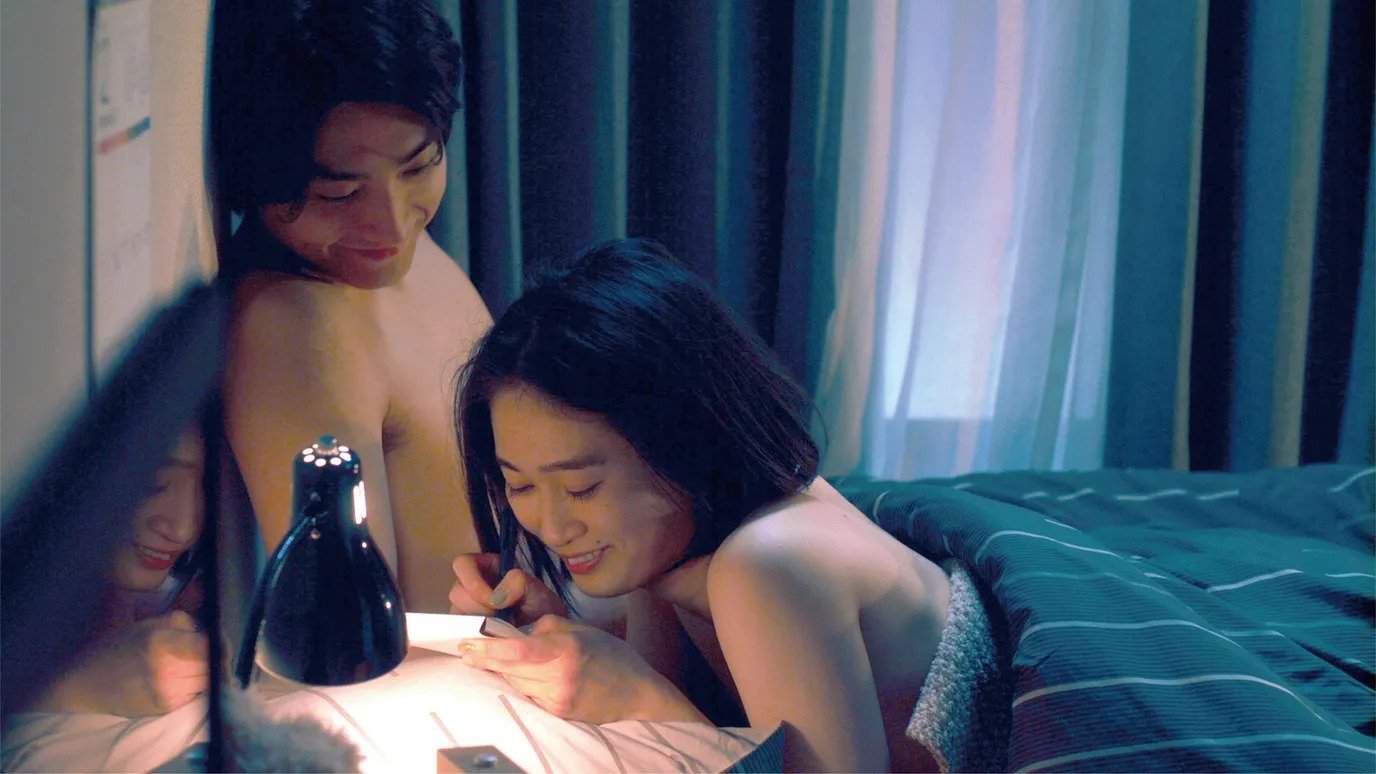
Sawako is an office worker who enjoys taking photographs of older men and making scrapbooks with them. The men she has dated have always been older, but this time she decides to begin a relationship with her younger colleague Mori. The two embark on a romance filled with passion and quirky tactics, including keeping a diary of their sexual encounters. Meanwhile, Sawako has grown apart from her father, while her younger sister has started discussing sex and experiencing her first relationship.
Daigo Matsui retains the first pinku rule regarding the frequency of erotic scenes, but does so in a way that is organic to the narrative and by no means pornographic. He tries to embed the erotic aspect within a typical Japanese independent drama, and the comments are at least as prevalent as the titillation. The main way he accomplishes this is through a layered central character who thrives on her contradictions. The sex scenes focus on realism and appear to be presented through the eyes of the woman, a rather unusual approach compared with similar films of the 1970s and 1980s. “Hand” is therefore one of the clearest examples of Roman Porno attempting to move away from exploitation and towards female experience.
A Spoiling Rain (2023) by Haruhiko Arai
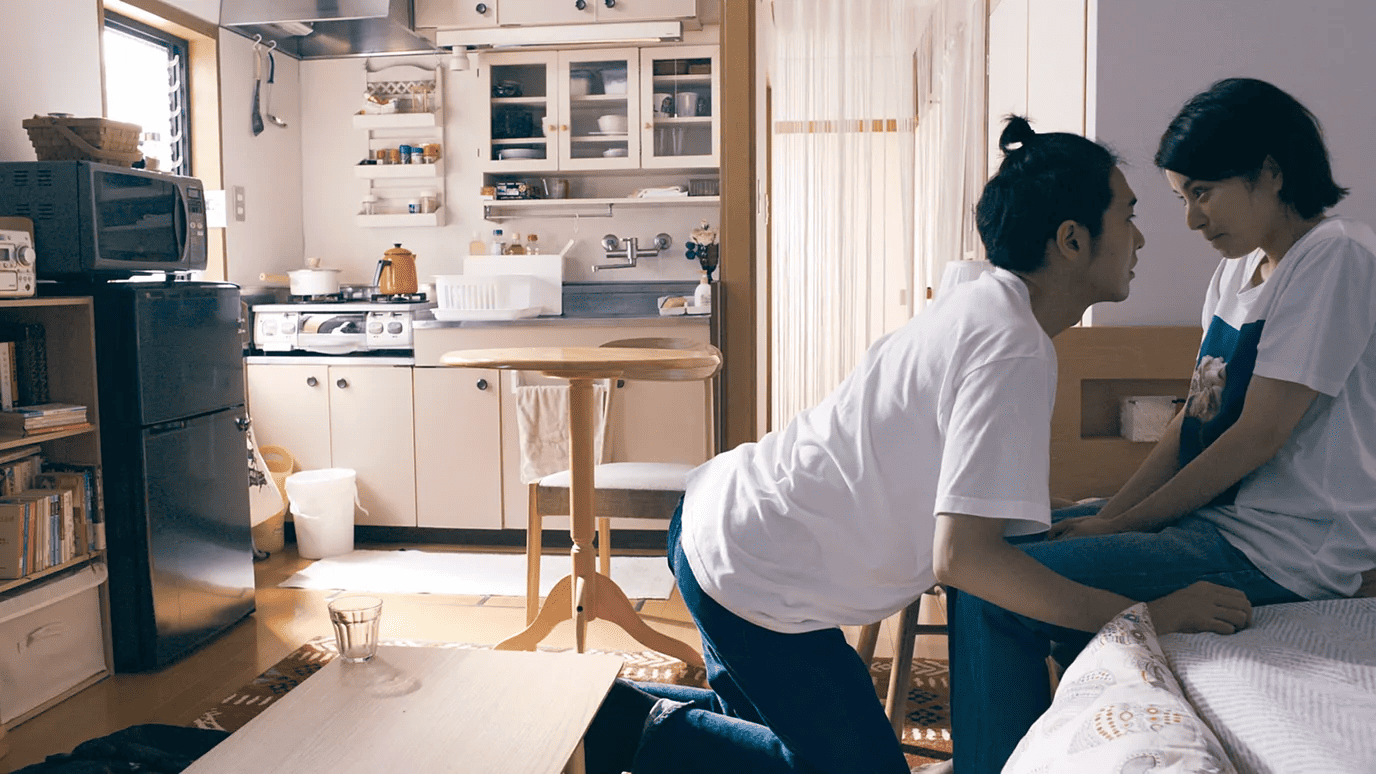
The dialogue-heavy approach of the main arc, as much as the intense drinking, will probably remind many of Hong Sang-soo’s work, also for the focus on failed filmmakers and lousy men, but the past arcs move the narrative somewhat away from these aesthetics, as much as the erotic element, which eventually reaches this arc too, in probably the most pinku-like sequence of the movie. The two past arcs are more heavily erotic, with the sex scenes, though, being grounded in realism for the most part, and done in quite tasteful ways.
(Ab)normal Desire (2023) by Yoshiyuki Kishi
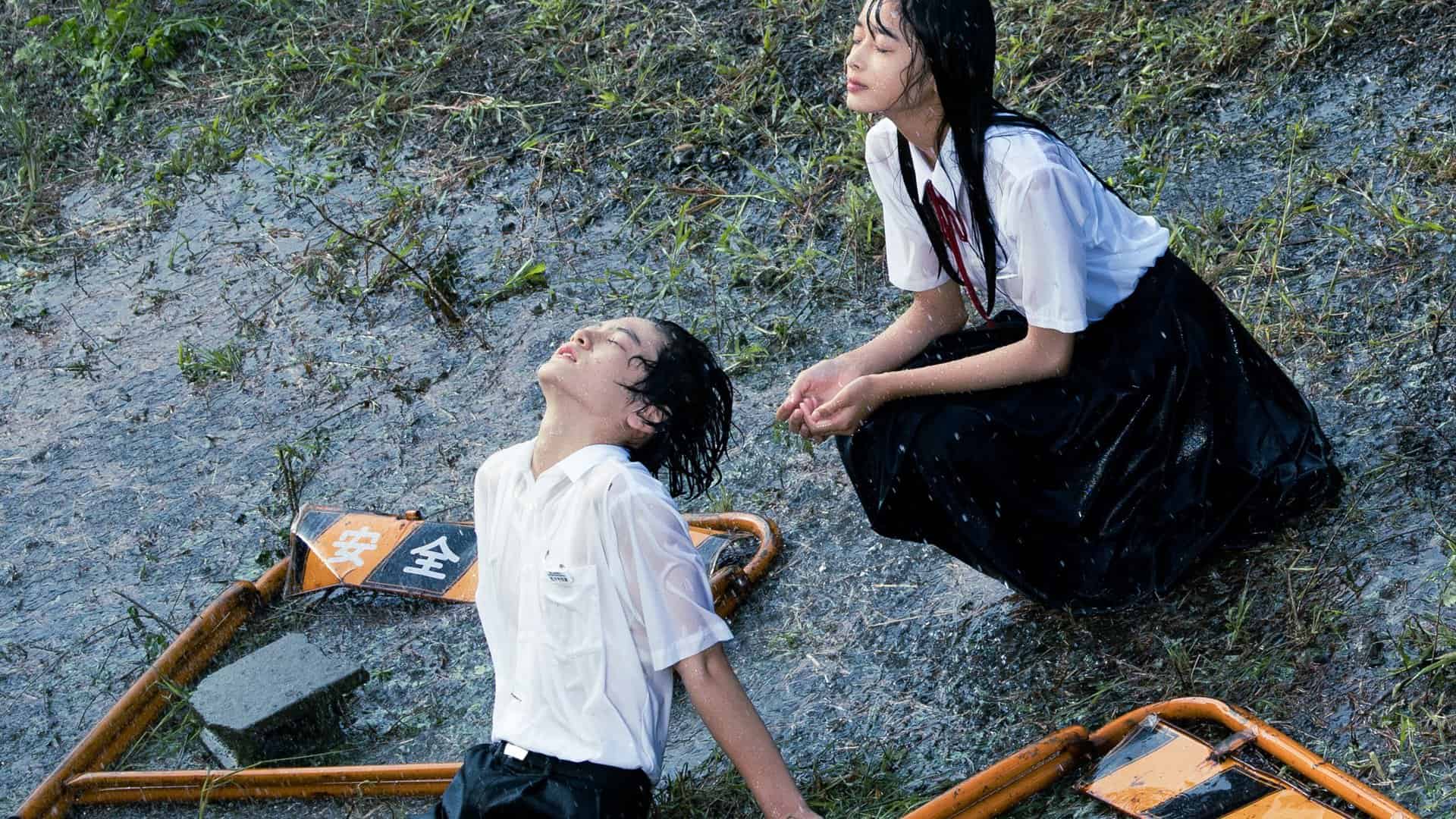
In that fashion, most of the protagonists seem to represent a group that strays away from what society considers normal. The kid that does not want to go to school but prefers to be a YouTuber, the youths who just want to indulge into their fetishes and not follow the ‘normal’ path of good job, family and kids, and the agoraphobic who is trying to connect are parts of the same comment, as mentioned above. At the same time, what Kishi seems to state is that essentially what all of them are searching for is love and understanding, most of them from a partner and the kid from his father. In the same line, Hiroki seems to represent the average Japanese (and the authorities), with his conservatism and his lack of knowledge and understanding, which are the aspects that lead him away from his family.
Lust in the Air (2024) by Shinzo Katayama

At the same time, the chaos extends to the genres here. Romance may be in the center, also including a number of steamy but also artistically shot sex scenes, but elements of thriller, horror, comedy, action and drama are also found in plenty. The scene in the house of Imori will definitely stay in mind, as the one that managed to incorporate almost all of the above, in one of the most memorable scenes in the movie.



