
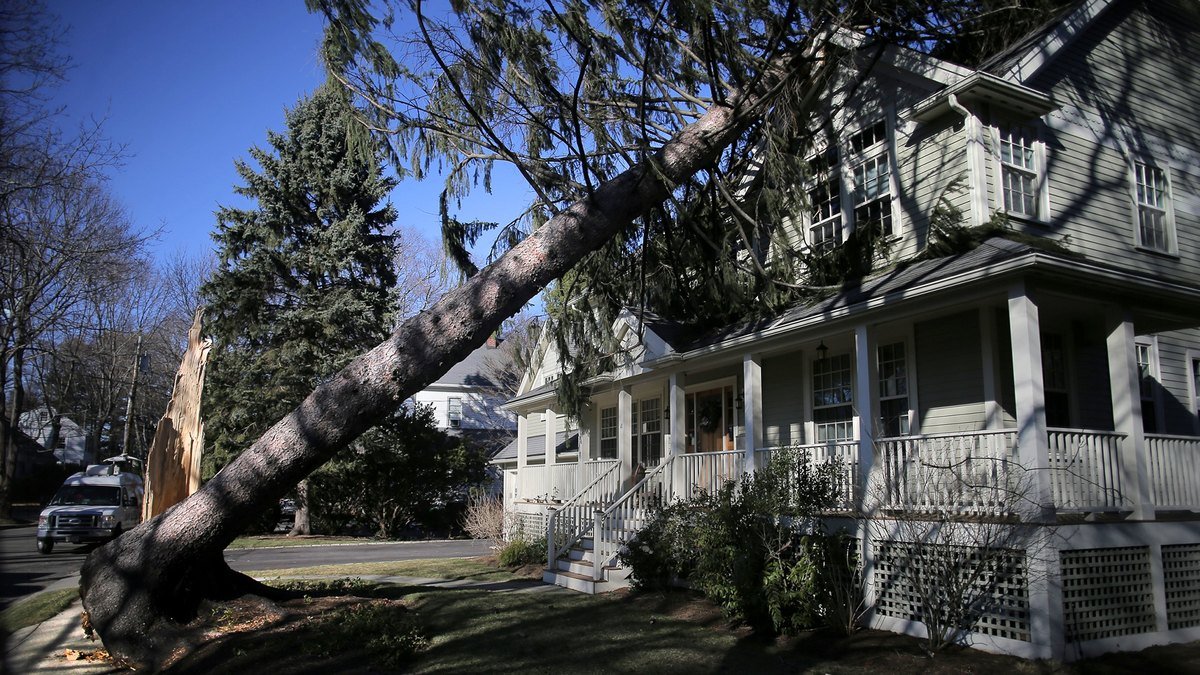
A damaged roof, flooded kitchen, or house fire can turn your life upside down overnight. But for many homeowners, the next financial emergency begins after the insurance claim is filed.
A new analysis from the Consumer Federation of America and Weiss Ratings estimates that home insurers collectively earn an additional $8.8 million in investment income for every day claim payments are delayed. Stretch that delay to one week, and the industry could earn an estimated $61.6 million while homeowners wait for money to repair their properties and rebuild their lives.
Home insurance companies dispute the idea that claims are deliberately stalled for profit. But regardless of what causes a delay, the financial consequences for homeowners can pile up quickly.
Homeowners can end up financing their own disasters
Homeowners insurance is supposed to provide money when a covered loss happens. Until that check arrives, however, homeowners may have to use emergency savings, borrow money, or charge repairs to a credit card.
“When repair costs are put on a high-interest credit card and insurance reimbursement is months away, the financial consequences can get ugly quickly,” says Colin Ram, an insurance attorney and founder of Colin Ram Law in Mount Pleasant, SC. “And the mortgage payment doesn’t pause because the house is unlivable.”
For a family displaced after a major loss, the costs may extend well beyond replacing a roof or repairing drywall. Parents may be paying for temporary housing while continuing to cover their mortgage, utilities, childcare, transportation, and other regular expenses.
“Ask a family with kids what a delayed claim actually costs, and the answer isn’t a number,” Ram says. “It’s a schedule falling apart. Living out of short-term rental or a friend’s guest room while trying to keep a 9-year-old’s schedule on some kind of normal footing.”
Those expenses may never appear in the official claim total, but that doesn’t mean they aren’t real.
“That cost never shows up in the claim number,” Ram says. “It shows up in a lower credit score, a missed mortgage payment, and a family stuck in someone else’s spare bedroom longer than they should be.”
Delays can make property damage more expensive
Waiting doesn’t always keep a repair bill frozen in place. In some cases, the damage gets worse.
A roof leak that could have been repaired promptly may lead to mold or additional interior damage if water continues entering the home. Contractors may also move on to other jobs if approval takes too long, putting the homeowner at the back of a crowded scheduling line.
“A roof that needed three weeks of work can become a mold problem by week 10, and the claim gets bigger while everyone waits on it,” Ram says. “Contractors move on, too. Miss a scheduling window, and a family goes to the back of the line with somebody new.”
The CFA analysis suggests these delays are far from unusual. Delayed claim payments represented 22% of the roughly 65,000 complaints filed with state insurance departments in 2025, making them the largest complaint category. A separate Weiss Ratings analysis found that insurers in 15 disaster-prone states took at least 60 days to pay 28.1% of claims in 2024, up from 25.6% in 2018.
What to do when your insurance claim stalls
The first move is simple: Stop relying on phone calls alone.
“Get it in writing immediately,” Ram says. “After every call with the adjuster, follow up the same day with an email recapping what was said and asking for a written timeline. A phone call by itself proves nothing six months from now.”
Keep copies of emails, estimates, receipts, photographs, temporary-housing bills, and every document sent to or received from the insurer. You should also read the claims-handling section of your policy and check your state insurance department’s website for deadlines insurers must follow.
Homeowners may also be able to request payment for the portion of a claim the insurer has already accepted, even while another part remains disputed.
“If the carrier has already agreed the roof needs replacing but is still disputing interior water damage, the roof money shouldn’t be held hostage to that fight,” Ram says.
Know when to escalate
After two calls that go nowhere, Ram recommends putting the next request in writing. If the insurer misses a deadline or stops responding, consider filing a complaint with your state Department of Insurance.
For large or complicated losses, a public adjuster may help document damage and negotiate the claim, although they typically charge a fee. An attorney may be worth contacting when the delay itself is causing serious financial harm, such as missed mortgage payments, worsening property damage, or mounting debt.
Waiting patiently may feel like the easiest path. But when your home and finances are on the line, becoming what Ram calls a “reasonable but squeaky wheel” could help keep an insurance delay from turning into a second disaster.
Get real estate news in your inbox



