
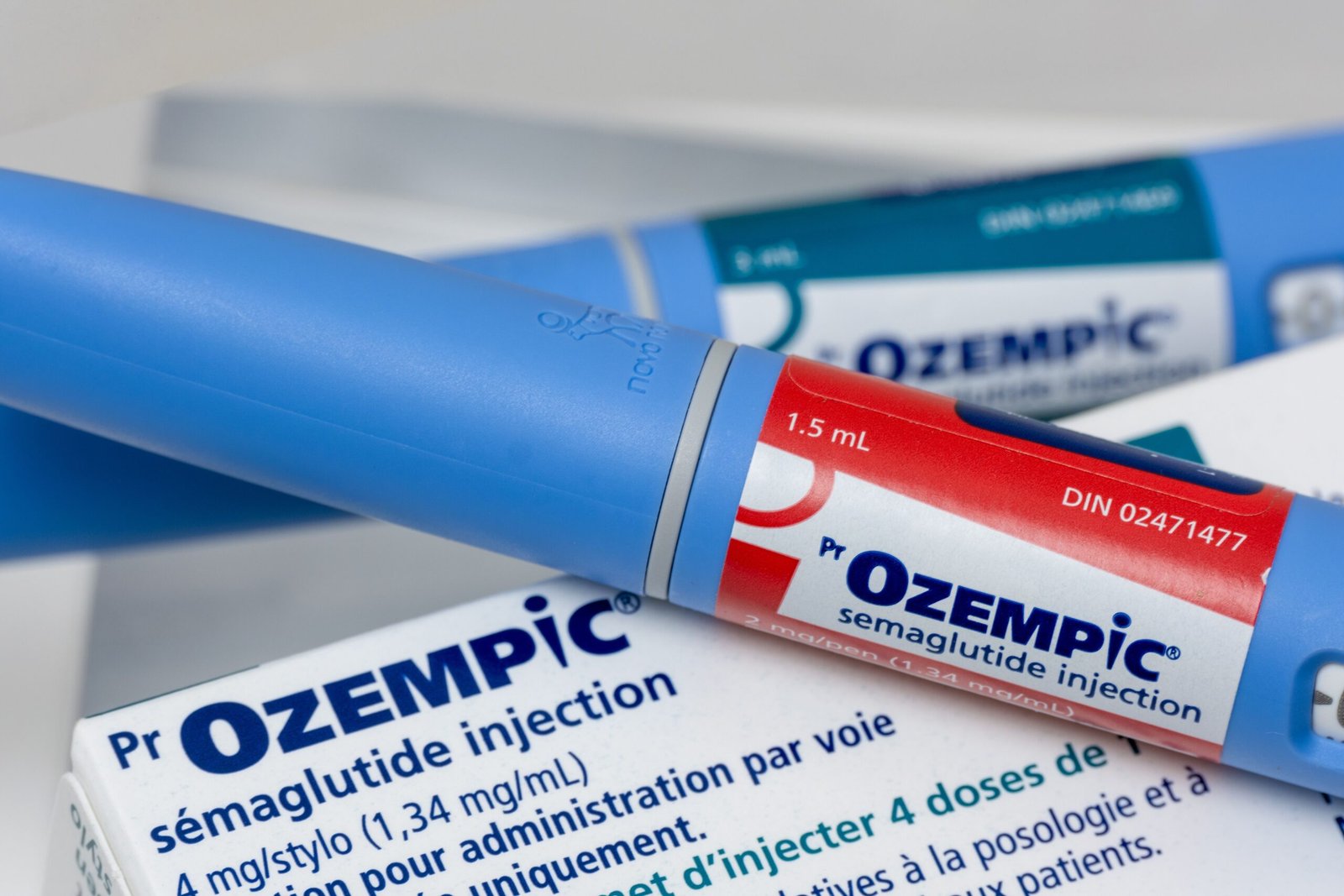
Adults with type 2 diabetes (T2D) taking semaglutide injection 1 mg (Ozempic; Novo Nordisk) who escalated to the 2 mg dose had a modestly lower risk of major adverse cardiovascular events (MACE) than those who switched to tirzepatide (Mounjaro; Eli Lilly and Company). The finding comes from a Novo Nordisk–funded real-world analysis presented at the European Association for the Study of Diabetes (EASD) Annual Meeting 2026 in Milan, Italy.1
The retrospective claims study cannot establish cause and effect, but it speaks to a decision pharmacists regularly help navigate: whether to intensify a patient’s current glucagon-like peptide-1 (GLP-1) receptor agonist (GLP-1 RA) or switch agents.1
Inside COMPETE SWITCH CV
The COMPETE SWITCH study used Komodo Health’s Healthcare Map, a large US claims database with linked laboratory results, spanning January 2018 to September 2025. Among 636,525 adults with T2D receiving semaglutide 1 mg, 29.2% escalated to 2 mg and 3.6% switched to tirzepatide within 365 days. By 720 days, those figures were 36.9% and 5.7%.1
The cardiovascular analysis used an intention-to-treat approach and included 185,705 adults who escalated to semaglutide 2 mg and 23,104 who switched to tirzepatide. MACE was defined as all-cause death, myocardial infarction, or stroke. The adjusted hazard ratio (HR) was 1.06 (95% CI, 1.04-1.08; P = .005), which Novo Nordisk characterized as a 6% lower MACE risk with semaglutide escalation. A subset of patients with more than 1 hemoglobin A1c (A1C) and/or weight measurement at baseline showed a consistent result (adjusted HR, 1.07; 95% CI, 1.01-1.13). Safety outcomes were not assessed, and the full data remain unpublished.1



