
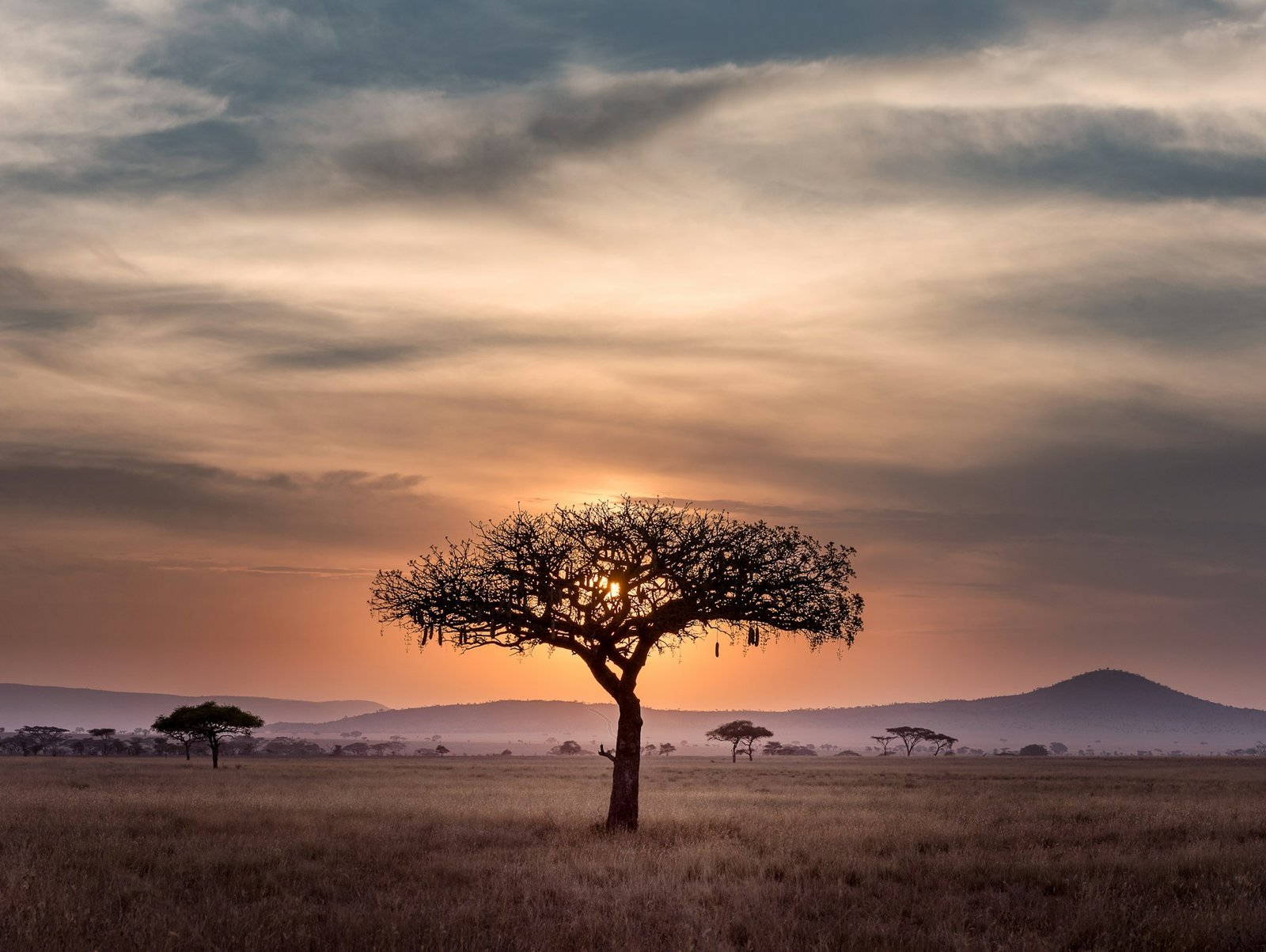
In Tanzania’s national parks, safari vehicles must stay on authorized roads, keep under 50 km/h (25 km/h on the Ngorongoro Crater floor) and drive only between 6 a.m. and 6 p.m. Guides caught driving off-road can be fined or lose their licenses.
Every safari season, at least one guest asks a version of the same question on the very first afternoon. A few lions are lying a couple of hundred yards off the road, half hidden in the grass, and someone leans forward and says, “Can we just get a little closer?” It’s a completely natural urge. You’ve flown halfway around the world, and the animal you’ve been dreaming about is right there. Our guides hear it all the time, and the way they answer tells you a lot about the kind of safari you’re on.
We’ve been running safaris out of Moshi since 2009, and over the years we’ve come to think that driving is one of the most underrated parts of a good trip. Guests tend to compare companies on lodges, itineraries and price. Very few ask how the guides drive, even though it shapes nearly every sighting you’ll have. So here’s our take on what responsible safari driving looks like, and what you should expect from any Responsible Tour Operator out on the plains.
Is Off-Road Driving Allowed in the Serengeti?
No. Tanzania’s parks run on fairly clear rules. In the Serengeti and nearly every other national park, vehicles have to stay on authorized roads and tracks, and the Tanzania National Parks Authority (TANAPA) takes that seriously.
What Happens If a Safari Guide Drives Off-Road?
Drivers caught off-road can be fined, and guides can lose their licenses. TANAPA does act when rules are broken. In July 2025, tourists were filmed getting out of their vehicles at a Mara River crossing point in the northern Serengeti. TANAPA said it had identified every vehicle involved and would take strict disciplinary measures against the driver-guides (TANAPA statement).
Our own Wildlife Policy goes further than the park rules. Under it, our guides keep to designated tracks, keep a safe and respectful distance, and never let a vehicle crowd, chase, or separate animals. The policy also rules out luring wildlife with food or frightening it with loud noises or bright lights, and it requires park rules to be explained to every guest. Our Sustainability Coordinator, Mary Wanjiku Njuguna, leads the policy, and every manager enforces it.
Can You Drive Off-Road in Ndutu?

Partly. Parts of the Ndutu area, which sits in the southern Serengeti ecosystem inside the Ngorongoro Conservation Area, allow limited off-road driving, and that’s a big reason it gets so busy during the calving season. Even there, rangers will close sections after heavy rain.
The rules make sense once you’ve seen the ground up close. A Land Cruiser crossing wet black cotton soil leaves ruts that can last for years and slowly turn into gullies. Tires flatten the long grass where cheetah cubs and young antelope hide, and they can crush the nests of birds that breed on the ground. And once one vehicle leaves the road, the next three usually follow it, so a single sighting can leave a spiderweb of fresh tracks behind.
What Are the Rules for Driving in Tanzania’s National Parks?
Staying on the road gets the most attention, but it isn’t the only rule. Here’s what a good guide sticks to on every drive:
- The speed limit in Tanzania’s national parks is 50 km/h (about 30 mph).
- The speed limit on the Ngorongoro Crater floor is 25 km/h (about 15 mph).
- Game drives are allowed only between 6 a.m. and 6 p.m., unless a park has approved a night drive.
- Visitors may get out of the vehicle only at designated picnic sites and viewpoints.
- Animals always have the right of way.
- Each vehicle may spend about six hours on the Ngorongoro Crater floor.
- Drones are not allowed in Tanzania’s national parks.
- Feeding animals is not allowed.
- Loud noise, horns, and music are not allowed.
- Carry all litter out of the park.
Most guests never notice when these rules are being followed. They tend to notice right away when they aren’t.
Can I Get Out of the Vehicle on Safari?
Only at designated picnic sites, viewpoints, and other marked spots. Tanzania’s National Parks Regulations bar visitors from getting out of a vehicle within 200 meters of a live animal, other than birds and insects, unless they’re at an observation point. The rule protects you as much as it protects the animals.
Are Drones Allowed in Tanzania’s Parks?
No. TANAPA banned drones in all national parks in November 2014. The only exception is a set of special permits from several government bodies, so it’s best to leave your drone at home.
What Responsible Wildlife Viewing Looks Like on a Game Drive
A rulebook can only cover so much. The rest comes down to the guide, and you can usually tell within the first hour whether you’re with a careful one.
Watch how they approach a sighting. A good guide eases off the gas well before they get there and rolls in slowly, because an animal that hears a vehicle creeping up is far less likely to bolt than one that hears a squeal of brakes. Once they’ve found a spot, they’ll usually cut the engine. Everything goes quiet, the animal relaxes, and your photos stop coming out blurry from the vibration.
The best guides also think a step ahead. If a lion is strolling down a track, they won’t tail it. They’ll drive on, pull over a little farther along and let the lion walk toward you. You’d be surprised how often that gives you the better shot, and the lion barely seems to notice you’re there.
Crowded sightings are where you really see the difference. When half a dozen vehicles turn up for the same leopard, good guides take turns, hang back a bit and make sure nobody blocks the animal’s way. If it’s a cheetah stalking a gazelle, that little bit of room can decide whether she eats that day.
When Guests Ask Guides to Get Closer
Back to that question from the first afternoon. A lot of off-road driving in East Africa doesn’t start with the guide. It starts with a guest asking, sometimes with a tip in mind, and tips make up a real part of what guides earn. Saying no to someone you’ll be spending the next week with isn’t easy.
“When a guest asks me to drive off the road, I say no, and the company always backs me up. I would rather lose a photo than lose my license.” – Jackson, our safari guide
A guide who keeps you on the track is protecting the park and their own license, and they’re protecting your trip as well, since a fine or a suspended guide halfway through a safari is nobody’s idea of a good time. If you want to make your guide’s job easier, tell them on day one that you’d rather stick to the rules than chase a closer photo. It takes the pressure off, and in our experience, sightings don’t suffer.
How the Right Safari Vehicle Makes a Difference
The vehicle matters more than you might think. Our safari fleet is made up of Toyota Land Cruisers with pop-up roofs, and most of them have six window seats, so nobody is stuck in the middle craning their neck while the guide keeps shuffling the vehicle around. With the roof up, you can stand and see over tall grass, which takes away a lot of the urge to leave the road for a better angle.
We service our vehicles at our own workshop in Moshi, clean them after every safari, and check them again before the next one heads out. A well-kept engine is quieter and burns less fuel. It also doesn’t break down halfway across the crater floor, which would mean another vehicle driving out to rescue it.
Standing Safely in a Pop-Up Roof Vehicle

Standing up under the roof is one of the best parts of a game drive, but it’s only safe when the vehicle is stopped or barely moving. A few simple habits keep everyone safe:
- Stand only when the vehicle has stopped or is creeping along at a sighting, and only when your guide says it’s fine.
- Sit down and fasten your seatbelt whenever the vehicle is moving between sightings or on transfers.
- Hold on to the roof frame or seat backs, not the hatch edge.
- Keep your head, hands, and camera inside the vehicle.
- Never sit on the roof or the edge of the hatch.
One small tip: bring a good pair of binoculars. A lion 300 yards out looks surprisingly close through a decent pair, and suddenly there’s no reason to leave the road at all. That’s why they’re on our safari packing list.
Why Careful Driving Is a Core Part of Responsible Tourism
Driving can sound like a minor detail next to carbon emissions or community projects, but it’s one of the few things that affects the parks every single day. The Serengeti is among the busiest parks in Africa. If every vehicle carved its own path to every sighting, the plains would look very different within a few seasons. Keeping to the road is about as simple and practical as Responsible Tourism gets.
As a locally owned Tanzania Tour Operator that is also Travelife certified, we treat careful driving as part of our wider sustainable tourism work. Our team is mostly local, so when our guides talk about keeping the Serengeti healthy, they’re talking about a place close to home that they hope their own kids will get to see.
Questions to Ask a Safari Company Before You Book
If you’re comparing a few companies, try asking each of them these:
- Do your guides ever drive off-road inside national parks?
- How do your guides handle busy sightings with lots of vehicles?
- Have any of your guides been fined or suspended for breaking park rules?
- What vehicles do you use, and how often are they serviced?
- Do you brief guests on park rules before the first game drive?
You’ll learn as much from how they answer as from what they say.
Plan a Tanzania Safari That Respects the Wildlife
A good Tanzania safari has a slower rhythm than most people expect. There’s a lot of waiting and a lot of quiet, and then something happens that you’ll be talking about for years. The animals stay relaxed enough to go about their day, and you get to watch it all unfold.
If that sounds like the kind of trip you’re after, drop us a line or request a tailor-made itinerary. We’re always happy to talk safaris, and we’ll give you a straight answer about how our guides drive.



