
An appeals court blocked the full disclosure of an investigative report into sexual abuses by late Cardinal Theodore McCarrick, ruling the report’s secrecy is guarded by attorney-client privilege and that a lower court judge erred when ordering them released.
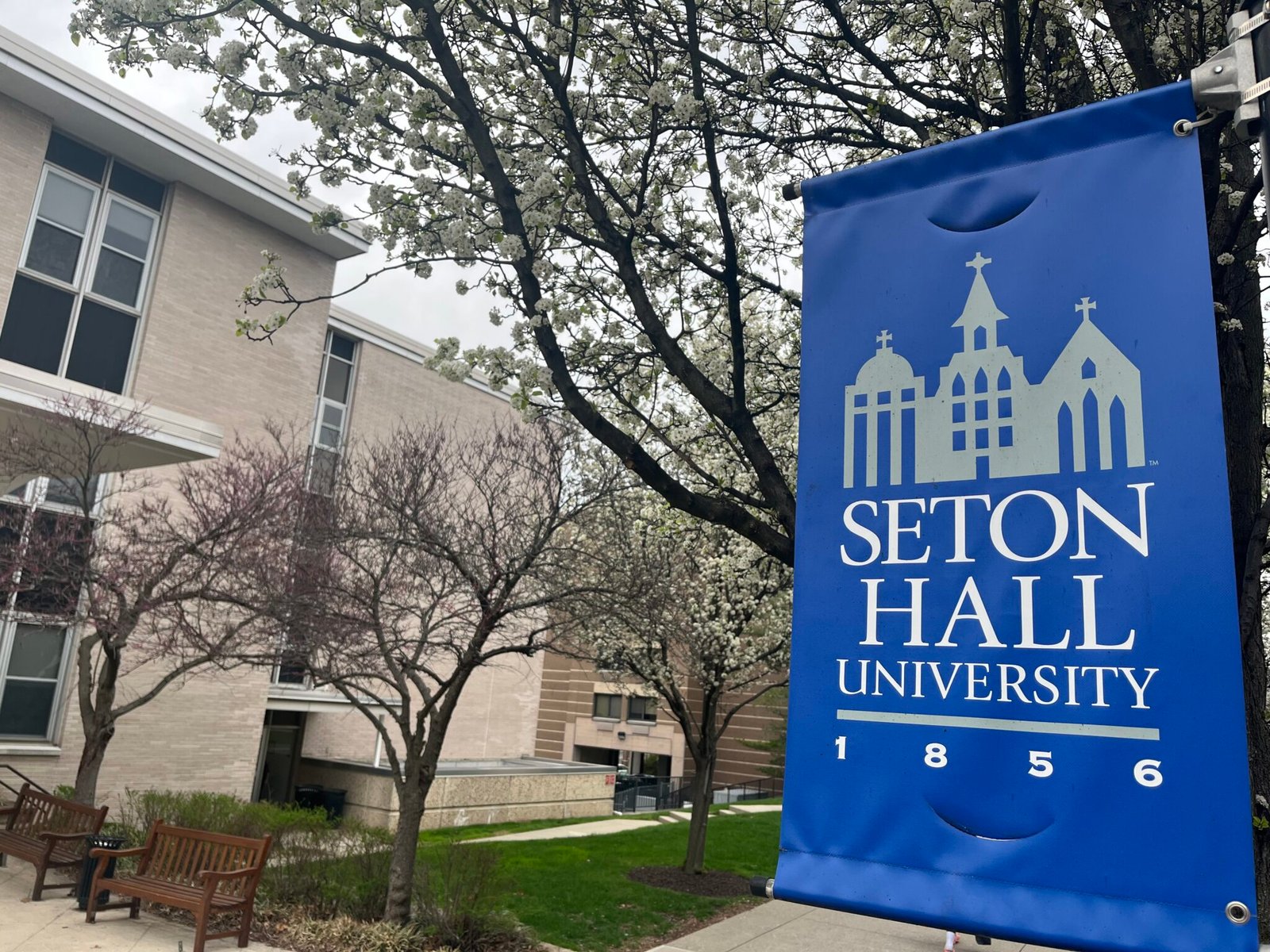
The three-judge panel’s unanimous ruling will shield most sections of a report into McCarrick’s conduct but will allow the release of portions that focused on policies and procedures at Seton Hall University, where the cardinal led the Board of Trustees and the Board of Regents.
The decision partially reverses Superior Court Judge Avion Benjamin’s November ruling that found Seton Hall University must hand over the report to a group of plaintiffs who have sued the Archdiocese of Newark alleging they were sexually abused by clergy.
Tuesday’s ruling largely sides with lawyers for Seton Hall who had argued that the report is guarded by attorney-client privilege. The report was written by law firm Latham & Watkins at the behest of another law firm, Gibbons, hired by Seton Hall.
“An investigator acting on behalf of counsel renders service on behalf of that counsel’s client. Even though no attorney-client relationship existed between SHU and Latham, an attorney-client relationship existed between Gibbons and SHU that extended to Latham as a necessary agent of Gibbons,” the ruling says.
Emails between Seton Hall and Latham & Watkins that do not include Gibbons also do not need to be turned over unless they include self-critical analysis of university policies, rather than McCarrick’s actions, according to the ruling.
Benjamin must also examine roughly 90 witness interview notes related to the case to determine whether they are guarded by attorney-client privilege.
Case law says that attorney-client privilege is not absolute, and the shield can be pierced when an attorney conducts an investigation for some purpose other than litigation preparation. For self-critical analysis investigations like the one that resulted in the Latham report, attorney-client privilege is weighed on a case-by-case basis, the appeals court said.
Plaintiffs had in part argued that any privilege was waived when the university shared the report with the Vatican, arguing the inclusion of the Holy See, as a third party, was enough to defeat the school’s privilege claims.
The court disagreed. Because Seton Hall’s Immaculate Conception Seminary School of Technology is a Catholic School, it felt it owed obeisance to the Vatican and shared the report out of a “religious duty,” the court said. Because both understood the report would remain confidential, no privilege was waived.
Email attachments that predate the case were not necessarily privileged, the appeals court found, but the trial court should review them to see if they can be withheld on other grounds.
Attorneys for the plaintiffs and the university did not immediately return requests for comment.
Latham & Watkins was hired to investigate claims that McCarrick abused seminarians between 1986 and 2000 and that Monsignor Joseph Reilly, the school’s current president and a former seminary dean, botched the school’s response.
GET THE MORNING HEADLINES.



