
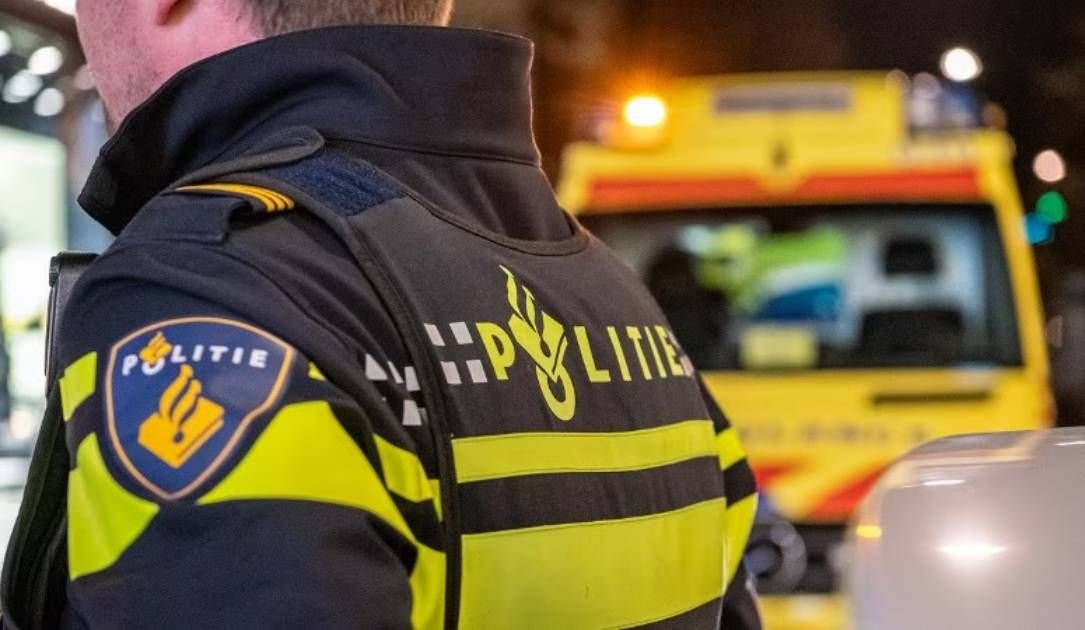
Dutch police have dismantled a large international investment fraud network that allegedly tricked tens of thousands of people into investing in fake cryptocurrency schemes.
Authorities said Wednesday that the group operated like a legitimate international business since at least 2021, running about two dozen call centers across several countries and employing more than 700 people who posed as professional financial advisers.
The operation allegedly generated more than €100 million ($114 million) a month by convincing victims to invest in bogus trading platforms after spending weeks or even months building relationships with them over the phone and online.
At the center of the investigation is a 46-year-old man with Israeli and Polish citizenship whom Dutch police describe as a “well-known hacker.” He was arrested in May at a Polish airport after arriving from Dubai and has since been extradited to the Netherlands, where a judge ordered him held in pretrial detention.
Dutch police have not disclosed the suspect’s name, saying only that he is “no stranger to the cyber world.”
Authorities also arrested two Dutch nationals and one Belgian national living in Cyprus, another suspect in Belgium and a Dutch national in Greece. Police said the investigation is ongoing and additional arrests are possible.
According to police, the criminal organization was carefully structured to avoid detection. Employees used fake names, concealed their locations, and relied on technical tools to hide their identities. Investigators said the main suspect’s technical expertise played a key role in helping the network evade law enforcement for years.
As part of the scheme, victims were initially encouraged to invest relatively small amounts through what appeared to be legitimate cryptocurrency trading platforms. Those early investments appeared to generate impressive returns, encouraging victims to deposit more money. But investigators said the profits were entirely fictitious. The money was never invested and instead flowed directly to the criminal organization, often through cryptocurrency payments.
Dutch police estimate that victims in the Netherlands alone lost nearly €25 million ($28.6), and believe the organization defrauded tens of thousands of people worldwide. Many victims had no idea they had been scammed until investigators contacted them, preventing some from sending even more money.
The fraud left many victims financially and emotionally devastated.
“All contact suddenly stopped,” one Dutch victim, identified only as Alex, recalled in testimony released by police. “That’s when I realized I’d been completely scammed. I was incredibly angry and could have kicked myself. I thought, ‘I fell for it.’ The life I had imagined for myself collapsed.”
Other victims described even more severe consequences. One told local media that he lost so much money he could no longer afford to buy food for his family. Another said losing his life savings drove him to consider suicide.
Recorded Future
Intelligence Cloud.



