
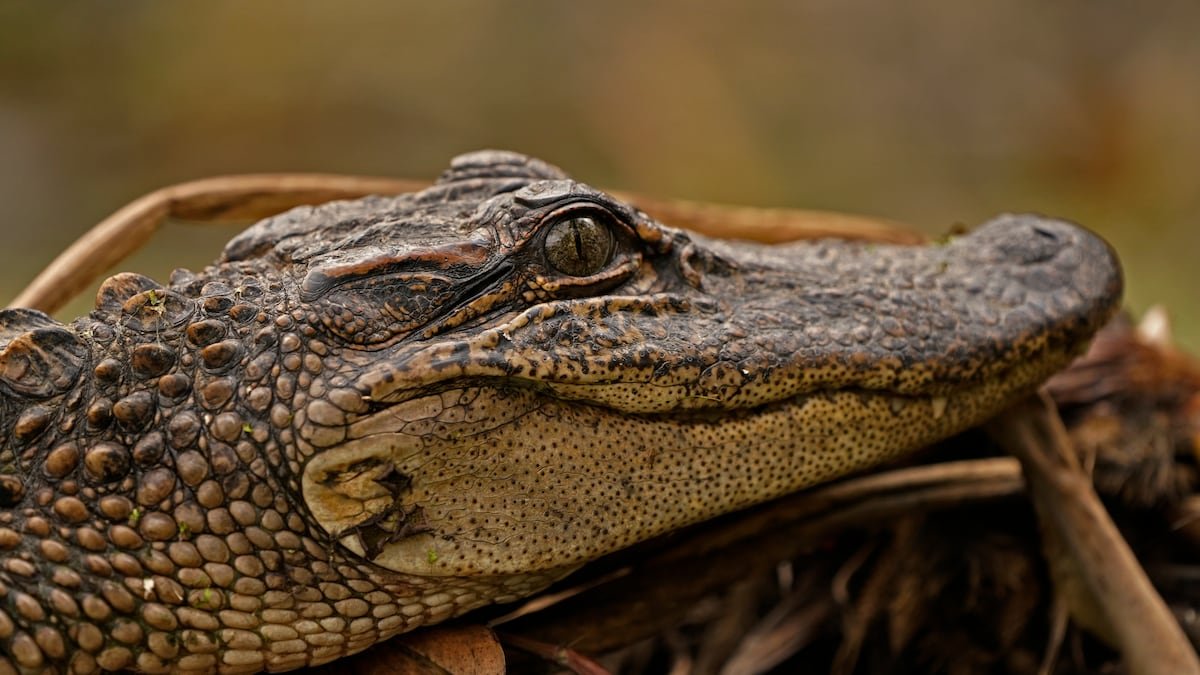
A small, young alligator bit a 78-year-old Pompano Beach man on Wednesday as he returned a turtle to a lake in the Palm Aire community, fire rescue said.
“He was so lucky that it was not a bigger one,” said Matthew Parent, Battalion Chief with Pompano Beach Fire Rescue.
Fire Rescue responded to a call from the man, who said he had been knee deep in the lake, placing the turtle in it, when the small alligator nipped his leg.
The bite did not break the skin, and the man did not need to be taken to a hospital for medical care, Parent said. The man told the fire rescue responders he was up to date on his tetanus shot.
Pompano Beach spokeswoman Sandra King said fire rescue considers the man a patient and is unable to release his name. He was at home on Oaks Way when he called 911.
Alligators become more active and visible as temperatures start to rise and mating season begins. Early summer is mating season for alligators. They can also become noticeably more active when it rains a lot. Several weeks ago, a woman was bitten by an alligator while swimming at an Inverness park. She suffered severe nerve damage to her leg.
The Florida Fish & Wildlife Conservation Commission has been looking for the alligator involved in the Inverness incident but has yet to find it, according to Ashlee Sklute, a spokesperson for the Florida Wildlife Commission. It is estimated to be an 8-foot gator.
Sklute said trappers only consider an alligator a nuisance when it is more than four feet long. The length of the alligator in Pompano is unclear.
“It’s not about the age; it’s about the size and circumstances,” Sklute said. “I can say as of now, I am not aware of calls to remove [the alligator in Pompano].”
Serious injuries caused by alligators are rare in Florida, according to the Florida Wildlife Commission. However, a month ago, a cow housed in a Central Florida conservation area died after being attacked by an alligator.
The FWC operates a Statewide Nuisance Alligator Program (SNAP) that uses contracted nuisance alligator trappers throughout the state to remove alligators believed to pose a threat to people, pets or property. People with concerns about an alligator should call FWC’s toll-free Nuisance Alligator Hotline at 866-392-4286.



