
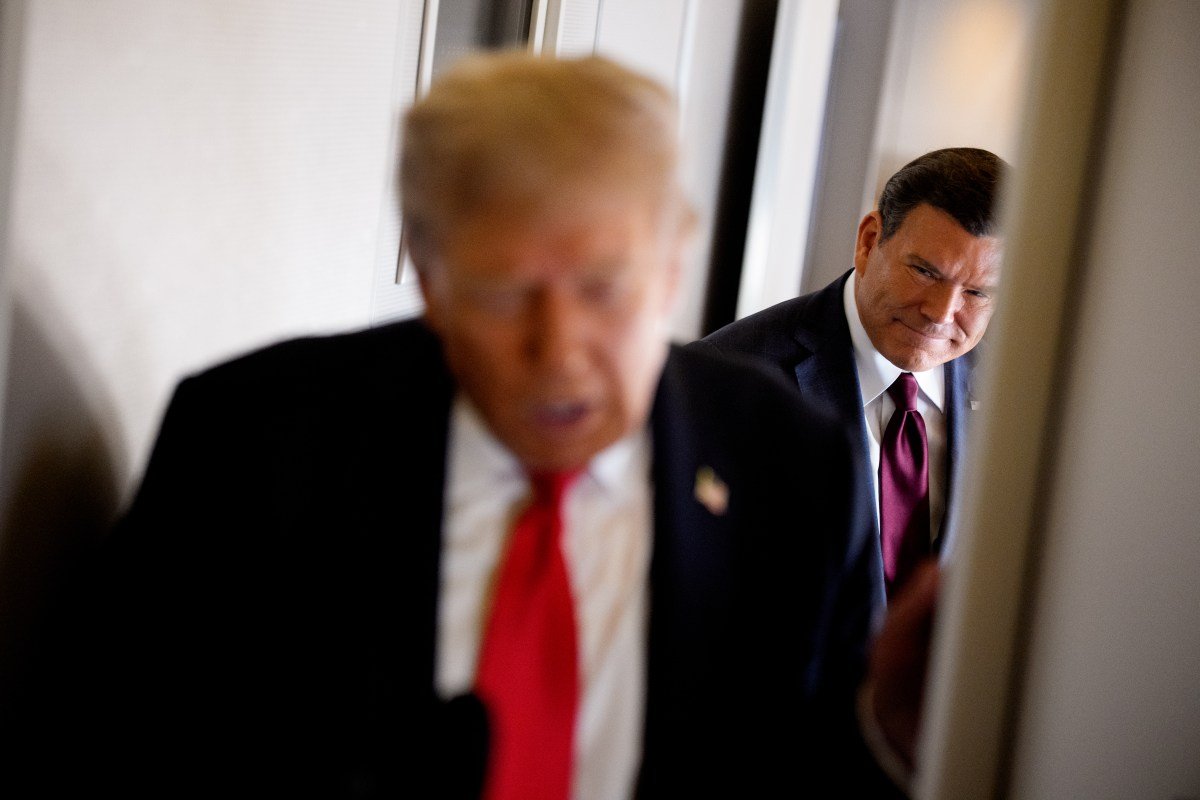
President Donald Trump faced questions on Fox News over his earlier claims that the Iran war would be resolved quickly as new polling showed deep public dissatisfaction with his handling of inflation and gas prices.
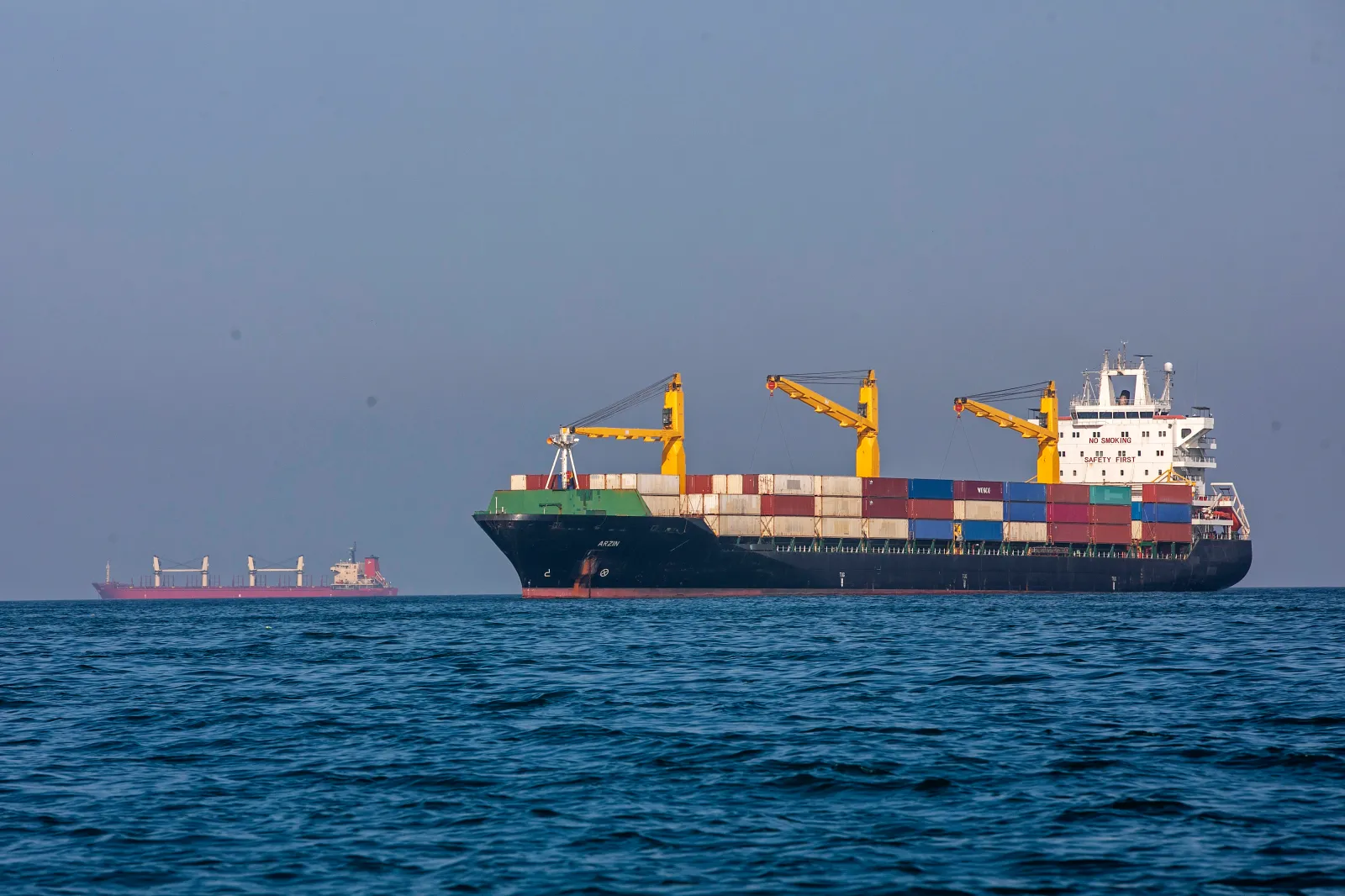
The U.S. president has repeatedly said that he was close to a deal to end the war and reopen the Strait of Hormuz, the critical waterway through which one fifth of the world’s hydrocarbons transits. But Tehran continues to blockade the strait, driving inflation concerns in the U.S. and pushing up gas prices for American drivers—hot button issues for the GOP ahead of November’s midterm elections.
Trump said in an interview with anchor Bret Baier on his favored network that “we’re going to have a solution one way or the other” which was “either going to be violent or not violent.” Meanwhile, polling conducted by CNN, a network Trump has repeatedly disparaged, shows that Americans have a negative view of his handling of inflation and gas prices.
Fox Interview Puts Spotlight on Trump’s Earlier Claims
In Friday’s interview, Baier compared the situation in Iran to the swiftness with which Venezuela’s former leader Nicolás Maduro was captured in January. The Trump administration’s messaging has pushed that regime change in Iran, along with deterring Tehran’s nuclear program, were goals of the war that started with U.S. and Israeli strikes on February 28.
“You did say it was going to be fairly quick and you said it numerous times,” said Baier, prompting Trump to reply that the situation with Iran was different because it was “worse” and that “they are trying to make a nuclear weapon.”
Polling Shows Growing Economic Concerns
It comes amid scrutiny of Trump’s comments on May 12 that “the only thing that motivates me” regarding the Iran war was stopping Tehran from having a nuclear weapon—rather than the rising costs for Americans in inflation and the price of gas which could punish Republicans at the ballot box in November.
According to CNN polling, nearly four-fifths (79 percent) of Americans disapprove of Trump when it comes to gas prices which as of Sunday had reached a national average of $4.52 a gallon—up by 50 percent since the start of the war. Among Democrats, that disapproval figure was 97 percent, among independents, 85 percent, and 50 percent among Republicans.
CNN’s chief data analyst Harry Enten said Trump was getting the “worst polls ever for any president” when it comes to inflation.
He said that Democrats would likely use Trump’s comment on the campaign trail, telling CNN’s Table for Five that the president faces the highest percentage that any president has had disapproving of them on gas prices.
Regarding inflation, Enten added, “we’re taking about the worst polls ever for any president belong to Donald John Trump,” adding, “he’s doing worse” than former Presidents Jimmy Carter and Joe Biden.
Debate Continues Over Nuclear Talks
Trump also said on Fox News on Friday that Iran had agreed that the U.S. could take what he calls the “nuclear dust,” referring to highly enriched uranium which can be used to make an atomic weapon.
The president said on April 16 Iran had offered to give up its highly enriched uranium, although this is unconfirmed by Iranian officials.
On Sunday, state-run Fars News reported that the transfer of around 900 pounds of uranium was among the conditions set by the U.S. to Iran’s proposals to end the war.
Washington has also demanded limits on Iran’s nuclear facilities, refused to release Tehran’s blocked assets and made stopping the war conditional on negotiations, according to the report.
Tehran has said it would negotiate only if there were an end to the war in Iran, and in Lebanon, where Israel is striking against Hezbollah. Other Iranian demands, which have been rejected by Trump, included sanctions relief and the release of blocked assets.
Iran Tightening Grip on Critical Strait
Analysis by the Institute for the Study of War suggested Tehran was tightening its grip on the Strait of Hormuz with a formalized toll system to access the waterway via demanding the need for maritime insurance policies and threatening vessels in the Persian Gulf.
Trump has signaled that hostilities could resume, and Iran continues to launch drones across the wider region, with a drone strike on Sunday targeting the Barakah Nuclear Power Plant in Abu Dhabi’s Al Dhafra Region in the United Arab Emirates.
“Access would remain restricted for actors associated with the U.S.-led Project Freedom,” the Washington think tank said on Saturday, referring to the plan to secure traffic through the internationally recognized traffic separation plan in the strait.
Meanwhile, Trump renewed his warning to Iran, telling BFM TV that Tehran would face “a very bad time” if it failed to reach an agreement over the war which Israeli Prime Minister Benjamin Netanyahu said he would discuss with the U.S. president on Sunday.



