
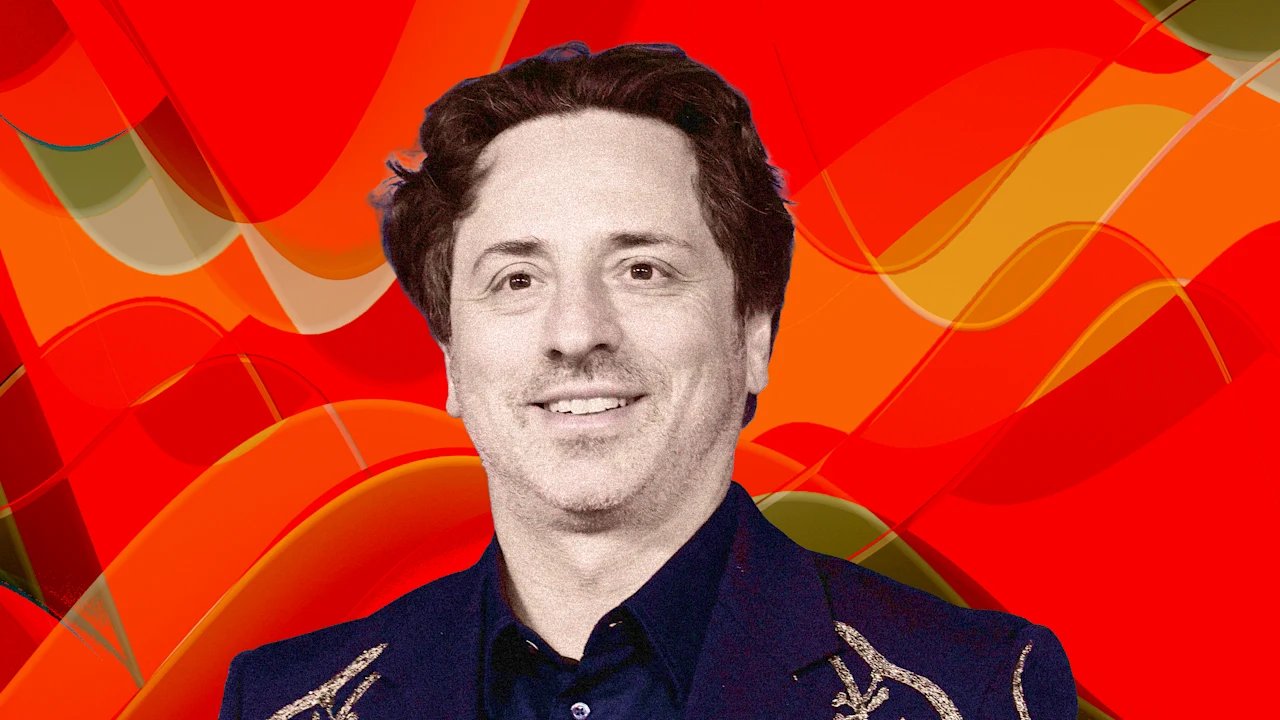
When Sergey Brin spoke at Stanford University’s school of engineering centennial celebration recently, the Google co-founder was open about his career mistakes.
“When you have your cool new wearable device idea, really fully bake it before you have a cool stunt involving skydiving and airships,” he joked, referring to the infamous Google Glass flop. But one misstep he admitted to might surprise a lot of people who dream of the day they can quit their 9-to-5.
“I actually retired like a month before Covid hit, and it was the worst decision,” Brin said. He was such a failure at retirement that he has since returned to everyday work at Google, spearheading its efforts to catch up in the AI race.
Going back to work just for fun might sound like a uniquely billionaire move. But a stack of research suggests that Brin’s dissatisfaction in retirement and subsequent decision to return to work isn’t that uncommon. His story contains an essential but often overlooked lesson that can help anyone better plan their retirement.
Why Sergey Brin unretired
Like many people, Brin had a relaxing vision for his post-working life. “I was gonna sit in cafés and study physics, which was my passion at the time,” he told the Stanford audience. Fate intervened in the form of Covid. But Brin wasn’t dissatisfied with his retirement just because he was locked in his house all day.
“I was just kind of stewing and felt myself spiraling, not being sharp,” he recalled. After the Google offices partially reopened, he started going in occasionally.
Eventually, he “started spending more and more time on what later became called Gemini, which is super-exciting. To be able to have that technical creative outlet, I think that’s very rewarding, as opposed to if I’d stayed retired. I think that would’ve been a big mistake,” he added.
Retirement struggles aren’t just for billionaires
Brin’s issues with retirement are his own. More people dream of days on the golf course than pouring over physics textbooks. But Brin’s feelings of listlessness and intellectual decline are not at all exclusive to billionaires.
When researchers from European business school Insead surveyed entrepreneurs who had gone through a big exit and become financially independent, they discovered many decided to retire. And many soon regretted it.
“It is perfectly normal to discover that life post-financial freedom isn’t as happy as one might have expected it to be,” the researchers summed up.
It’s not just restless entrepreneurs. Another recent study of retired Japanese salarymen revealed similar patterns. Having given so much of themselves to their careers, they often felt unmoored and purposeless when they left their jobs.
Their retirement was “characterized by boredom—having nowhere to go to or having nothing to do. The sense of boredom led to a sense of isolation and low confidence in old age,” explained study author Shiori Shakuto.
Adherents of the popular financial independence, retire early (FIRE) movement scrimp and sacrifice to retire early. Only for many of them to discover their dream of post-work life does not match reality. Several have written about the experience.
“If you’ve spent decades in a career working 40 hours a week, it’s hard to suddenly stop working. Many early retirees feel uncomfortable feeling unproductive. As a result, they unretire to work on something meaningful. … It’s easy to get bored with 40 hours of extra free time a week,” wrote ex-FIRE early retiree Sam Dogen in one such blog post.
A good retirement isn’t all about money
All of this evidence, as well as Sergey Brin’s experience, point in the same direction. We tend to think of a successful retirement as a numbers game. If you save enough to be comfortable and indulge in whatever activities you enjoy, the end of working life should represent the start of the golden years.
But all the people involved in these studies were set financially. Brin has a net worth north of $200 billion. Clearly, money is not the issue. The problem is purpose.
As Brin’s fellow billionaire Bill Gates recently wrote: “As life expectancies go up, many people are living for years and even decades after they stop working. That sounds like a luxury, and it is in a lot of ways—but it is also a lot of time to fill.”
Gates fills his time with philanthropy. Brin is back to building AI. The rest of us will probably not spend our post-work years doing anything as grand. But the same truth applies. If you think only about finances and not enough about how to meaningfully fill your days in retirement, you’re probably not going to enjoy yourself much.
You also might, in Brin’s words, feel “less sharp.” Science has shown having purpose helps stave off dementia as well as boosts happiness.
Sergey Brin’s lesson for the rest of us
This doesn’t mean we should all work until we drop, of course. Instead, experts insist the essential takeaway is the need to plan for meaning as well as money.
“It’s never too early, or too late, to start thinking about what you would want to do after achieving financial freedom. What would you do with your money and time?” the Insead researchers ask.
So the next time you check the balance of your retirement savings account, take a moment to think not just about how much you will save, but also how you will spend your time. As Sergey Brin’s unretirement reminds us, even billions of dollars can’t guarantee you a good retirement if you don’t plan for purpose in your post-work life, too.
—Inc.
This article originally appeared on Fast Company’s sister website, Inc.com.
Inc. is the voice of the American entrepreneur. We inspire, inform, and document the most fascinating people in business: the risk-takers, the innovators, and the ultra-driven go-getters that represent the most dynamic force in the American economy.



