Google is rolling out new AI features designed to quickly flesh out Google Docs, Sheets, and Slides using data from the web and your existing Google files.
The overall aim is to eliminate much of the busywork involved in filling out templated documents, transferring data from saved files or internet sources into spreadsheets, and tweaking slide presentations to add new facts and figures—all while reflecting the personal and professional preferences expressed in people’s previous work.
“It’s not enough to simply generate a generic email or brief,” says Yulie Kwon Kim, VP of product for Google Workspace. “People want AI to understand your specific context, delivering results that are deeply personalized to them and their organization.”
In Google Docs, that means being able to instruct Google’s Gemini AI to generate a document mimicking the layout or writing style of another document, fleshed out with content from additional sources stored on Google Drive. Already, says Google Docs product lead Frank Tisellano, more than a third of Docs are created as copies of another document, and the AI features are intended to let users create at least a first draft of their new files close to instantaneously.
When it comes to Google Sheets, the AI is able to translate plain language requests into detailed execution plans to filter, transform, and analyze data. In a streamed demonstration, Eric Birnbaum, who leads the product team for Google Sheets, showed how the new AI could quickly filter through a complex spreadsheet of property data, finding real estate matching certain parameters in a certain neighborhood and generating relevant bar and pie charts.
“The Gemini agent, just like a human would, goes back and checks its work and fixes anything it might have gotten wrong,” Birnbaum says.
Birnbaum also used a new AI drag-and-drop feature to automatically fill out a spreadsheet of data about a set of major corporations, populating fields for headquarters city, revenue, and market capitalization based on information from the web. “Just by looking at the column headers, Gemini can figure out how to go find what you need,” he says.
And by generating a plan users can examine and ask the AI to tweak, Google may be able to assuage concerns about AI inaccuracy.
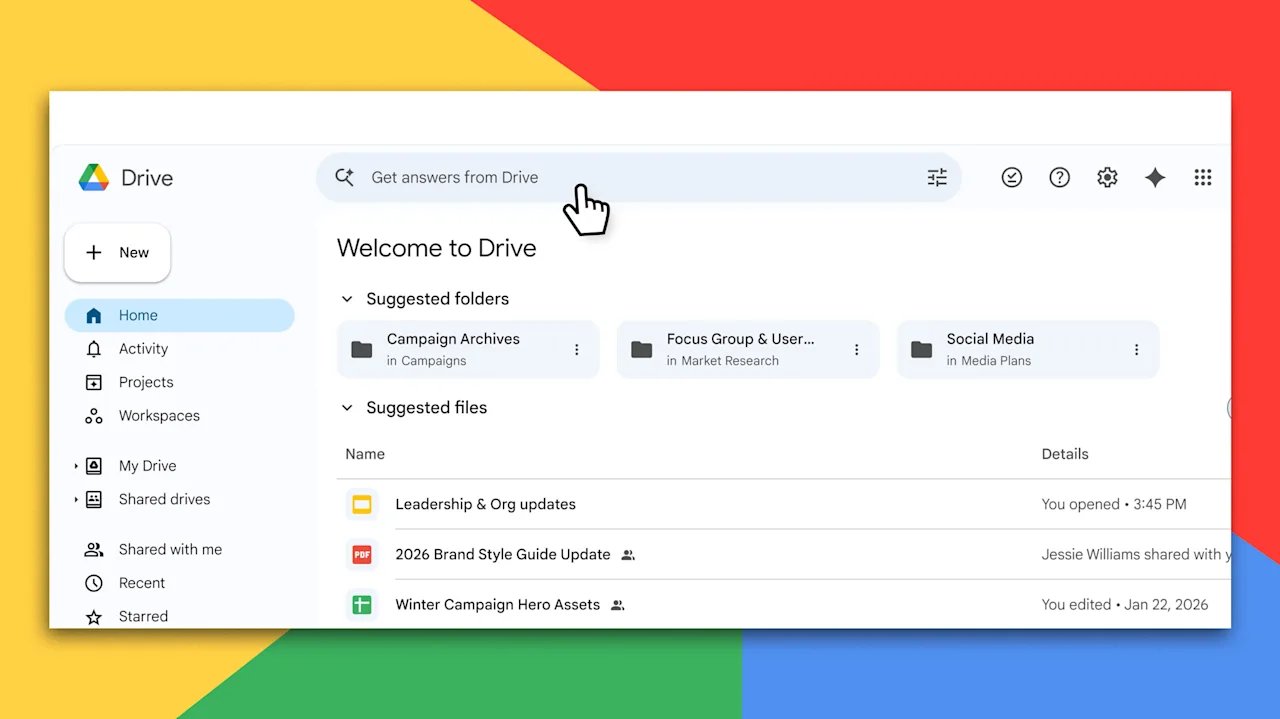
Gemini can similarly populate Google Sheets presentations based on existing data, even tweaking existing slides to add new information without users needing to tediously resize existing text and graphics. And Gemini can also help search through and pull information from Google Drive files, like compiling a table of purchased items from a folder of PDF receipts, without actually crafting a new document.
The new AI features will be available first to subscribers of Google’s AI Pro and Ultra plans, along with businesses in the Gemini Alpha program. In general, makers of business software from Microsoft and Google to Adobe and Canva have added increasingly far-reaching artificial intelligence features to their product suites in recent years, hoping to reach AI-curious customers where they’re already working. At the same time, AI labs like Anthropic and OpenAI have rolled out a growing assortment of ways to do work from within their AI platforms.
Google, which says it serves more than 3 billion users and 11 million paying customers through its Workspace tools, hopes many of those people will prefer to use AI features in the software they’re already familiar with rather than turning to external AI tools.
“You don’t need to go and learn a new app,” says Kim. “You can go and get the assistance from Gemini right where you are in your familiar place where you’re doing your everyday work.”