
A New Jersey appeals court granted a college student a restraining order against a one-time romantic partner who sexually assaulted her, reversing a lower court ruling that found the relationship’s short life and the absence of a history of domestic violence barred such restraints.
The three-judge panel’s ruling clarifies that the New Jersey Prevention of Domestic Violence Act allows courts to issue final restraining orders in cases involving egregious physical force even in the absence of other factors that judges are required to consider when weighing requests for such orders.
“The fact that one of the earliest interactions between parties in a new dating relationship takes the form of a forcible rape hardly militates against the need for a stay-away/no-contact order when, as here, there are reasons to believe that there may be future encounters between the parties,” Judge Ronald Susswein wrote for the panel.
NJ legislators want to pair public defenders with social workers statewide
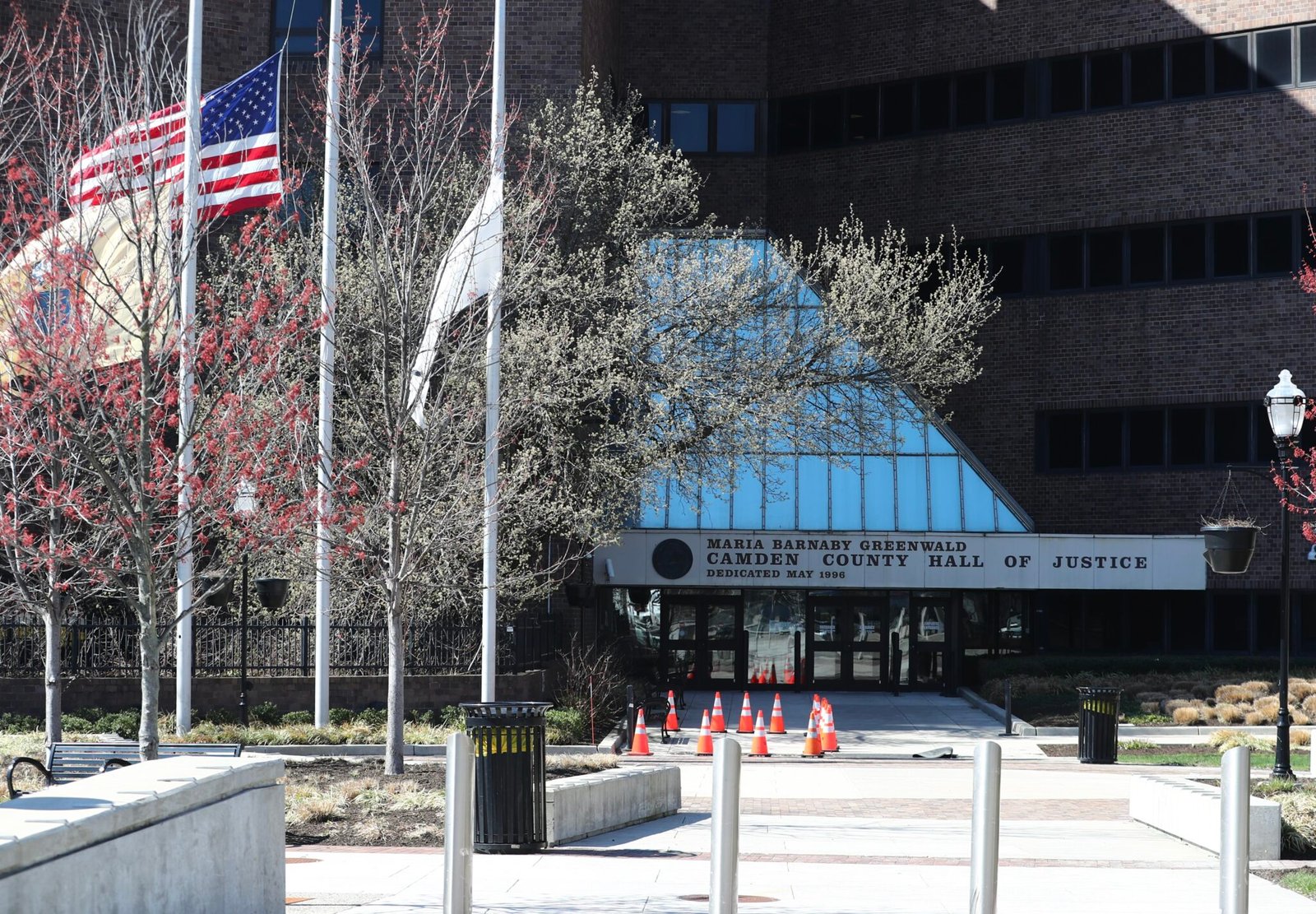
The case centered around two college students, named only by their initials, who briefly dated in 2025. A Camden County Family Court judge found the man raped the woman, at times strangling her, after she declined to have sex with him because she was celibate.
Despite its finding, the lower court declined to issue a restraining order, saying the woman was not in any immediate danger because the week-long relationship had no prior history of domestic violence.
The trial court judge erred because the statute also allows courts to issue final restraining orders when they are necessary to prevent further abuse, the appeals panel said.
The further abuses need not mirror the predicate acts that can lead to a restraining order but could include any interactions harmful to a victim “who has already been scarred and made vulnerable” by domestic violence, the court said.
The defendant and victim were likely to see each other because they shared social circles and would be enrolled in the same college come fall, and any intentional contact with the plaintiff could be harmful enough to justify a restraining order, the appeals court said.
“In cases like this one where future contact between the parties is foreseeable, a victim of extreme physical violence has a right to be assured that the assailant’s conduct during any future encounter will be constrained by the terms of an enforceable judicial order — one that can be presented to police if needed,” the court said.
The victim’s strangulation, which the trial court found did not result in severe injury, helped make the case for a final restraining order.
Because strangulation can kill and because victims who are strangled by their partners are several times more likely to be killed by them later, the act can meet the bar for a final restraining order even when not coupled with a forcible rape, the court said.
“Studies show that strangulation has predictive value in gauging the risk of future harm to a victim. That circumstance alone, in our view, establishes an adequate risk of further abuse in this case,” Susswein wrote for the panel.
The appeals panel chided the Family Court judge who declined to issue a restraining order for comments they said could appear to bias him against the victim and for appearing to admit a restraining order was needed even as he denied it.
“You understand that when you see her around in the fall, you’re going to turn the other way. You’re not to talk to her. You’re not to look at her. You’re not to do anything,” the trial judge told the defendant during a hearing last May.
After denying the order, the trial judge asked the defendant whether he understood “the break you got today?”
Tuesday’s order does not identify the Family Court judge.
The appeals court said the need for a restraining order became self-evident after the trial determined the defendant raped and strangled the victim, and the lower court judge went beyond their discretion in denying it.
“While we extend substantial deference to Family Part judges in deciding domestic violence disputes, that discretion does not include the authority to extend a break or favor to either party,” the panel said.
YOU MAKE OUR WORK POSSIBLE.



