
Key Takeaways
- A Payscale report preview found that 44% of organizations are planning or considering so-called peanut butter raises for 2026.
- Median base pay raises are expected to be 3.5% in 2026, while job switchers saw median wage growth of 4.1% as of December 2025.
Your company’s annual pay raise may look a little different in 2026.
Some employers are planning to dole out so-called peanut butter raises, or evenly distributed wage increases across the company, that are not based on merit or performance.
A preview of an upcoming report by Payscale—a compensation data and software company—found that 44% of organizations are planning or considering a peanut butter-style approach to raises for 2026.
Why This Is Important
Understanding employer pay strategies can help employees set realistic expectations as they plan their career moves.
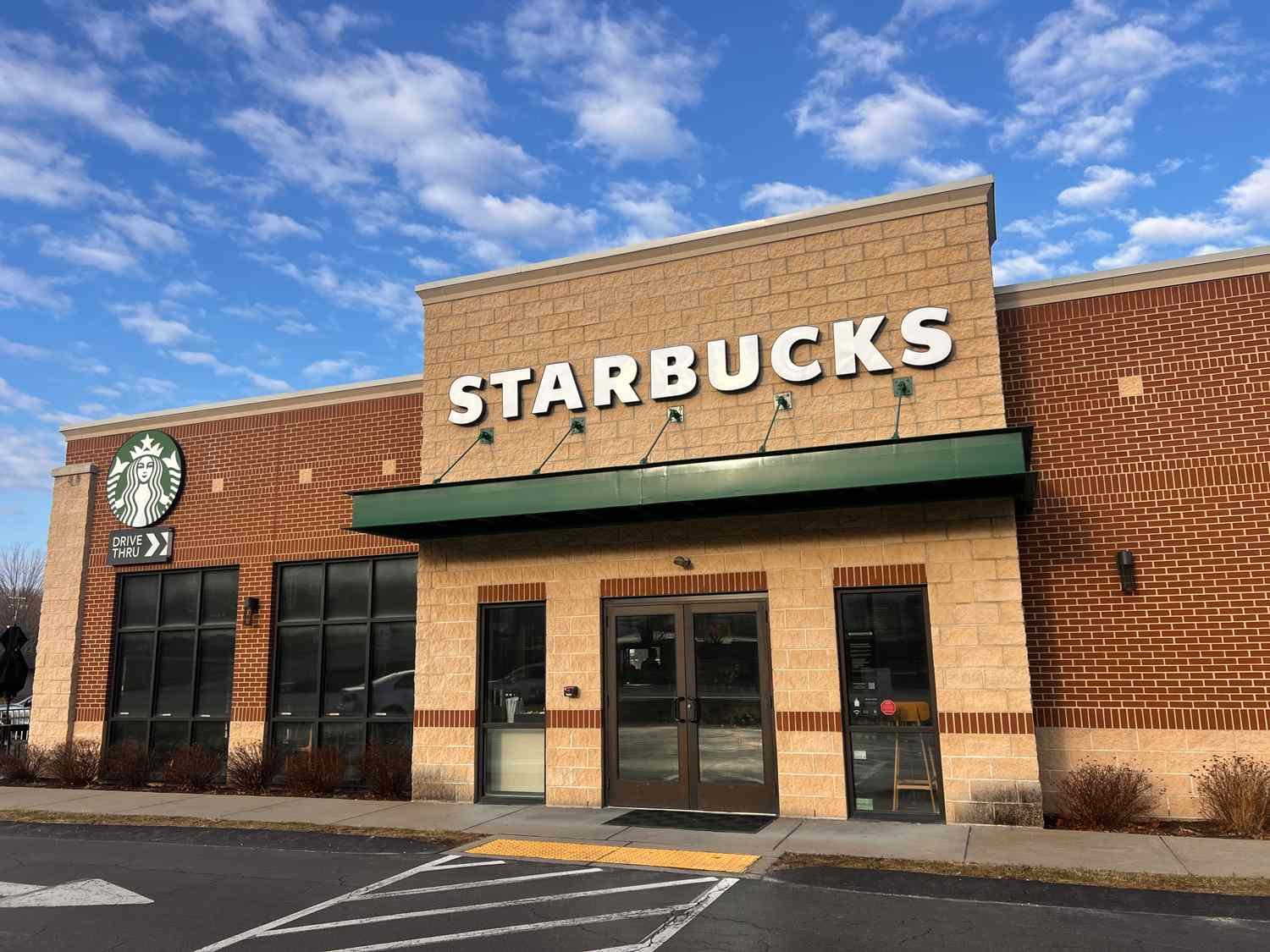
Some companies have already done so. In 2025, Starbucks opted for peanut butter raises, giving North American corporate employees raises of 2% instead of merit-based awards, according to The Wall Street Journal.
“While merit pay is still a best practice, performance ratings-based salary increases have faced criticism in recent years for being subjective, bias-prone, and administratively complex, especially in a volatile labor economy that faces economic uncertainty,” according to the Payscale report preview.
If you’re still interested in negotiating with your employer, all hope isn’t lost. Many organizations are still planning to stick to merit-based raises.
Nearly half (48%) of organizations said they were hiking pay based on performance, though you shouldn’t expect a big difference between this year and last when it comes to your raise. In 2026, organizations planned to give out median base pay raises of 3.5%, matching the median raise given last year.
If you’re intent on scoring a big raise, don’t count on landing a much higher salary by simply changing jobs. As of December 2025, the median wage growth of a job switcher was 4.1%, just one-tenth of a percentage point higher than that of someone who stayed in their role.
However, some types of companies are planning to hand out larger raises, according to the Payscale report.
Smaller companies with 1 to 99 employees are planning to give average raises of 4%, while large organizations (with 5,000 to 9,999 workers) plan to give 3% raises.
Industries such as construction and technology are giving out larger raises—5% and 4%, respectively. That’s because these industries may require specialized skills and knowledge.



