
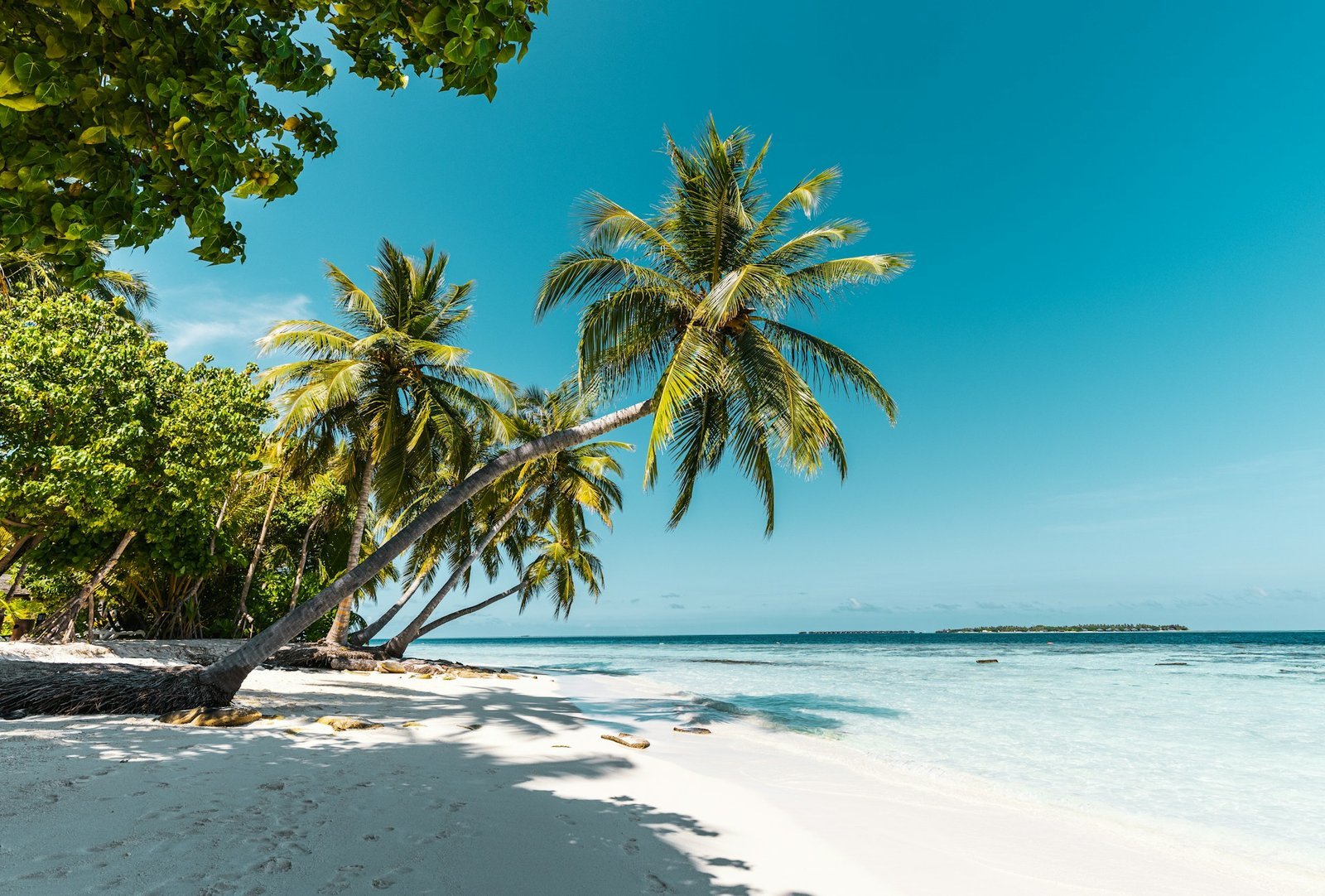
The ideal island vacation is a mix of adventure and relaxation. Wake up early and go on that long hike. Explore the entire island, both above and below sea level. But plan to be back for sunset drinks at the infinity pool, and linger on for a nightcap. Just because you’re in paradise, it doesn’t mean you have all the time in the world.
Morning Energy, Afternoon Ease
The most valuable advice to follow when you are on island vacation, is to schedule all the exhausting activities in the morning, and keep your afternoons free to relax. For example, snorkeling, kayaking, or reef tours are best done before noon when the sea is usually calmer and the sun is not too strong. Your energy level is also usually higher in the morning, especially at the beginning of your vacation when you are likely still recovering from jet lag.
This doesn’t mean you must tire yourself in the morning so you can rest later. It means you should take advantage of the most suitable time of the day to engage in more physical activities. In the meantime, you should schedule easier activities during the time when the conditions are not perfect for more strenuous ones. For instance, doing a paddleboarding session in the afternoon while it’s still very hot will not be as enjoyable as it would be before lunch.
Having time to recover from your morning activities is not time wasted. In fact, recovery time is becoming an increasingly important aspect of modern travel. According to the Global Wellness Institute, in 2017 the global wellness tourism market was valued at $639 billion and was projected to reach $919 billion by 2022. This shows that more and more people are willing to spend money and time to recover from their daily routine during their vacation days.
Choose a Base That Removes the Friction
The flow outlined above only functions if your hotel lends itself to it. If the closest beach is a 40-minute trek from your lobby, or the spa resort couldn’t be farther from the water sports center, you’ll have to waste time traveling between venues. The time spent shuffling around doesn’t technically fall under “relaxing” or “adventurous”, it’s just a part of the process.
A more efficient alternative is to choose your home base wisely so that all the components you’re interested in are clustered closely together. Saadiyat Island demonstrates how a beach vacation can be combined with cultural and active components like kayaking and snorkeling, where the most easily accessible golden sandy beaches are just a short distance from the Louvre Abu Dhabi and a handful of water sports operators. Should you decide to sample seafaring activities in the morning, visit an art museum before lunch, and squeeze in a beach day during the afternoon, accommodation won’t be more than a quick drive away. This kind of morning-active, afternoon-chill routine is impossible to pull off if you’re forced to spend most of your noon stuck in a shuttle.
One Anchor Experience Per Day, Nothing More
Planning every minute of your vacation can be exhausting and counterproductive. If you have too many activities scheduled, you may end up feeling like you’re constantly rushing from one place to another, instead of actually relaxing. The best strategy is to simply choose one main activity or excursion for each day. This could be a visit to a local attraction, a tour, or a water activity. The rest of the day can be left open for spontaneous plans or for simply lounging. Having one main activity will help focus your day and ensure you do something interesting and engaging. Then, anything else you do will feel like a bonus.
Micro-Adventures Beat Marathon Excursions
Chartering a boat for the day sounds fantastic on paper, but in practice by the time you find the right company, set a day, pay the deposit, pack your bag, slather yourself in high-factor sunscreen, get out on the water, paddle back to shore, reapply sunscreen, bundle up your gear, tip the guide, and make it back to the hotel, the day is gone and you are sunburnt and you just really want to be in the air conditioning. The scenic, storytelling, and photographic benefits of a full day out on a boat could also be achieved in a guided 90-minute kayak or a short snorkel over a reef. These shorter outings fit neatly into the morning window and leave the rest of the day free. Sunrise and sunset are particularly good for these, cooler air, fewer people, better light, and you’re back at the room or the beach club well before the heat sets in.
Respect the Decompression Curve
Most people don’t unplug until a day or two into the holiday. The perfect structure for a break, then, is not to ruin your first two days by booking some epic, busy, intense round-the-island adventure. The perfect structure is to just let the first day be loose. Reach the hotel. Or the resort. Or the villa or the guesthouse. Hit the beach or the bar or the bed. Have a meal, maybe a little walk at sunset. Then go to sleep. No pressure. No expectations. No alarms.
Because you’re not actually there yet. Your body is in the right place, but your mind is still chewing on deadlines back at the office, and your email inbox is still pulling you north. You spend the first day, or maybe a day and a half, just getting there. Not just your flight. You.
So let the first day be loose. Then let the second day be loose as well. If you have energy, a half-day cruise or a hike is the absolute maximum you need to schedule. Otherwise, keep it flexible. The live band under the stars, the traditional dance, the film screening, the wine-tasting tour, the ceramics class, you don’t have to jump even if they are plugging it hardest. You don’t have to live it up because the day is young and there is still so much to see and do.
Book the bigger stuff for the third day. The cooking lesson. The shopping trip to the greater township. The discovery flight. Then see. Are you ready yet? And keep the final day light too, no early dive bookings, no long tours. End the same way you started, easing out instead of sprinting to the airport.
Balance on an island holiday isn’t about the destination checking some box. It’s a set of small scheduling decisions you make every single day, when to move, when to stop, and how much you actually need to book to feel like the trip was worth it.



