
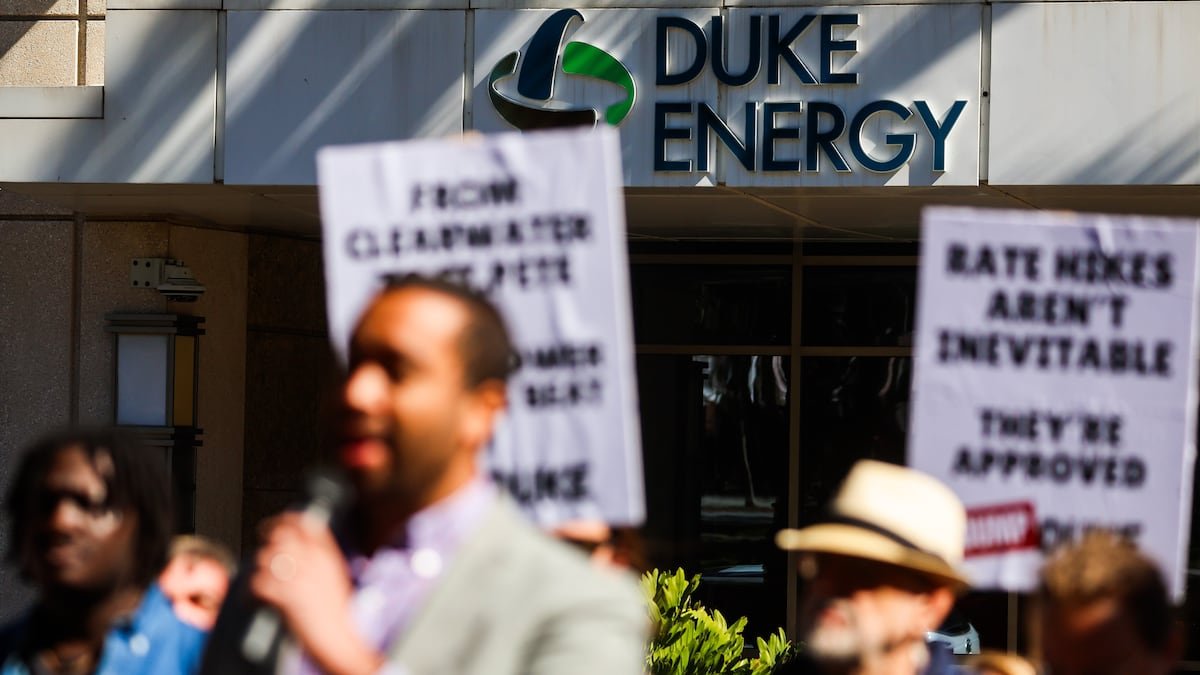
After more than two years of largely hypothetical discussions, the St. Petersburg City Council is now at a decision point on how seriously it wants to pursue leaving Duke Energy.
Until now, the council has only voted on procedural moves, like drafting a resolution to Mayor Ken Welch. But Thursday, the City Council is slated to take a vote that carries a price tag, as they decide if they’re willing to spend up to $590,000 for a study evaluating the practicalities of leaving Duke and forming a municipal-run utility.
One of the main questions that study would seek to answer is whether St. Petersburg residents would save money on their electric bills under a municipal grid. Because a government system doesn’t earn profit for shareholders, proponents have said it would offer better rates.
The city of Clearwater, which is also considering leaving Duke, similarly commissioned a feasibility study, which estimated that residents would save millions.
St. Pete City Council member Richie Floyd, who has been one of the most vocal supporters of the idea, said Wednesday that this vote should be a no-brainer.
“This is our one chance in a generation,” he said Wednesday, referencing how the city’s legal agreement with Duke is up for renewal for the first time in 30 years. “It would be completely irresponsible to not even study the issue, and not study if we can make our residents’ lives cheaper and better.”
After a formal request for bids from different energy consultants, St. Petersburg landed on a Texas company called NewGen Strategies and Solutions as the top applicant to conduct the study. NewGen also completed Clearwater’s analysis.
Frustration has been growing with Duke Energy from residents as many paid their highest electric bills ever last summer. A Tampa Bay Times series called Power Struggle examined the causes of these soaring costs and found that it was a combination of hurricane recovery fees, record heat and rate hikes.
Duke has repeatedly expressed its opposition to the discussion of the cities splitting off, saying it will be costly for consumers with less reliable service.
Earlier this year, canvassers went door-to-door in St. Petersburg and Clearwater warning residents that leaving Duke Energy would raise their property taxes, despite taxes never being proposed by city leaders as the funding mechanism. The campaign group responsible, called the Pinellas Energy Alliance, has also launched TV and social media ads, and appears to have hired a Maine political consultant who helped defeat a similar anti-utility effort in that state.
Duke has distanced itself from the campaign, but the alliance, a dark-money group, has declined to disclose the source of its funding.
Thursday’s City Council meeting is scheduled to begin at 1:30 p.m., with this vote scheduled sixth on the agenda.
• • •
The Tampa Bay Times launched the Environment Hub in 2025 to focus on some of Florida’s most urgent and enduring challenges. You can contribute through our journalism fund by clicking here.



