
Just a couple of decades ago, most Americans used the same beauty products. We bought Pantene shampoo from drug stores and Lancôme blush from department stores and Avon products at parties, regardless of political affiliation. (That is, if you fit the mold. If your skin didn’t match the narrow shade range or your hair needed something beyond Dippity Do gel, you were relegated to a specialty aisle or a different store altogether.) Maybe Aveda, with its vaguely herbal smell and eco-friendly marketing skewed progressive, and Mary Kay, with its Texas provenance and Cadillacs for top sellers, seemed more old-fashioned.
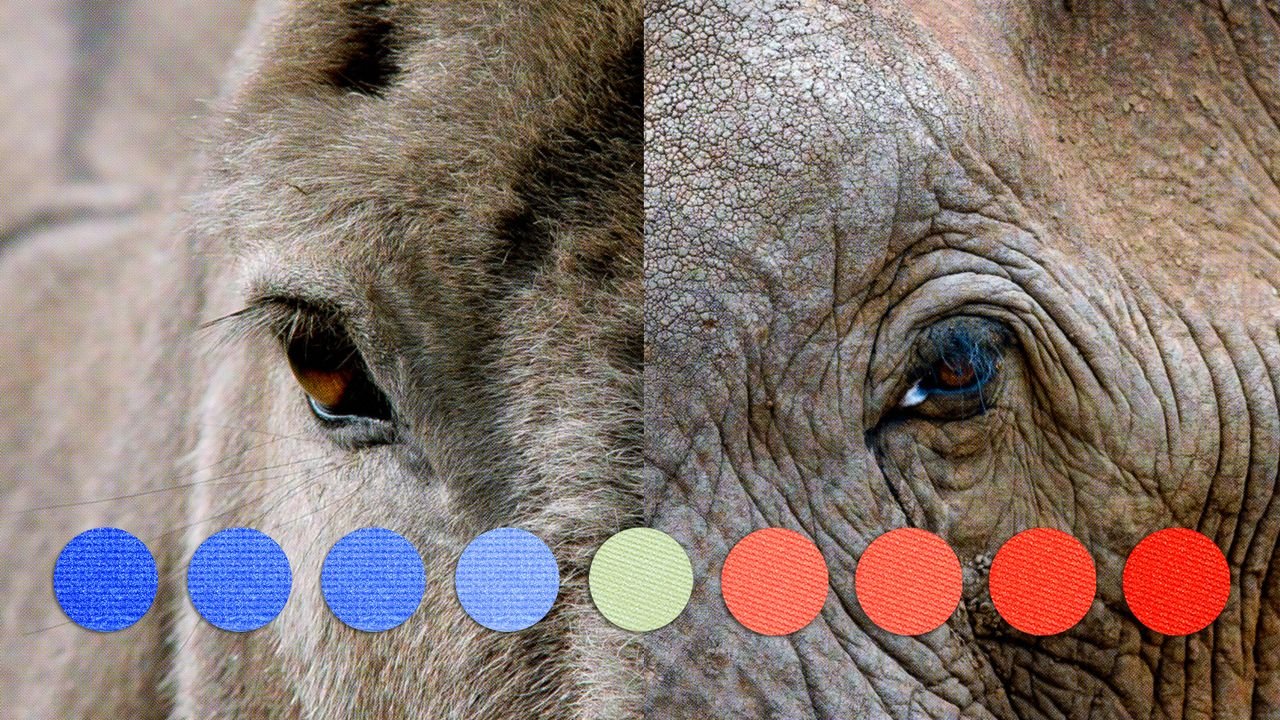
Our country is different now, and it’s visible in what we decide to slather on our bodies and faces. How we shop the newest trends has changed. Beauty chains are hubs for stocking up and giddily hauling home the black-and-white Sephora bag, or spending hours swatching lip gloss in an orange-tinted UIta store. The sheer number of hair care, makeup, skin care, body care, and fragrance brands means that to be successful or catch the zeitgeist, products don’t have to appeal to the mass markets of yore. The market has expanded globally. In the way we are watching Nigerian rom-coms on Netflix or pop stars trained in Korea, we’re now shopping for French pharmacy brands or buying Korean serums to try to achieve glass skin. Our makeup bags (and our medicine cabinets) are just as divided as every other cultural and political aspect of the United States.
So how to decode? Companies have been dog-whistling their leanings for decades—through causes they support, celebrity endorsements, and even the kinds of models they hire. But now the ever-shifting interpretations of an American aesthetic—from “no-makeup makeup,” which begat the clean-girl aesthetic on one end to heavily contoured Kardashian-inspired looks that morphed into the mob-wife aesthetic on the other—are revealing how divergent makeup signaling has become on a cultural level.
In some respects, the Republican end of the spectrum has a more recognizable look. “Conservative is more makeup, more polished full-coverage. They want to have their faces on,” says Gina Dadonna, a makeup artist in New York. Years ago that was personified by the perfection of Nancy Reagan, whose face was as done up as her skirt suits. She looked like a wealthy insider. Now, it seems the party wants to connote a rebellious, but still wealthy—much more wealthy—outsider status. They want to show they’re loud, and not trying to fit into neat norms. If the Trump administration or Newsmax is a barometer of application preferences amongst conservative women, it’s heavy lash lines, harsh contouring, and pouty, shiny lips. It all goes with the so-called MAGA face: heavily filled cheeks and a forehead rendered immovable by neuromodulators such as Botox.
For liberals, natural beauty is an extension of 1960s counterculture, which was about loving the planet and caring what you put on your body. Showing off good health meant just a touch of makeup. Dadonna says many of the women on her client roster, such as Sofia Coppola, seek her out for her light touch. That signature look, she says, is often “just a tinted moisturizer, lip balm, and mascara.” (Or at least the illusion that’s all they have on.) To achieve it, Dadonna is fond of the makeup artist Gucci Westman’s Westman Atelier brand, whose products, like the signature Baby Cheeks Blush Stick, are meant to be smudged on with the fingers for a little warmth, not to resemble Baby Jane. At its core, all makeup is about illusion. Liberals’ visual code conveys an untrained, anybody-could-replicate-it image and perhaps that these women have better things to do than sit at a vanity and worry about their looks. The cost of having good skin to show off or hair that is easy to maintain and the classism it implies is easy to sweep under the rug.



