
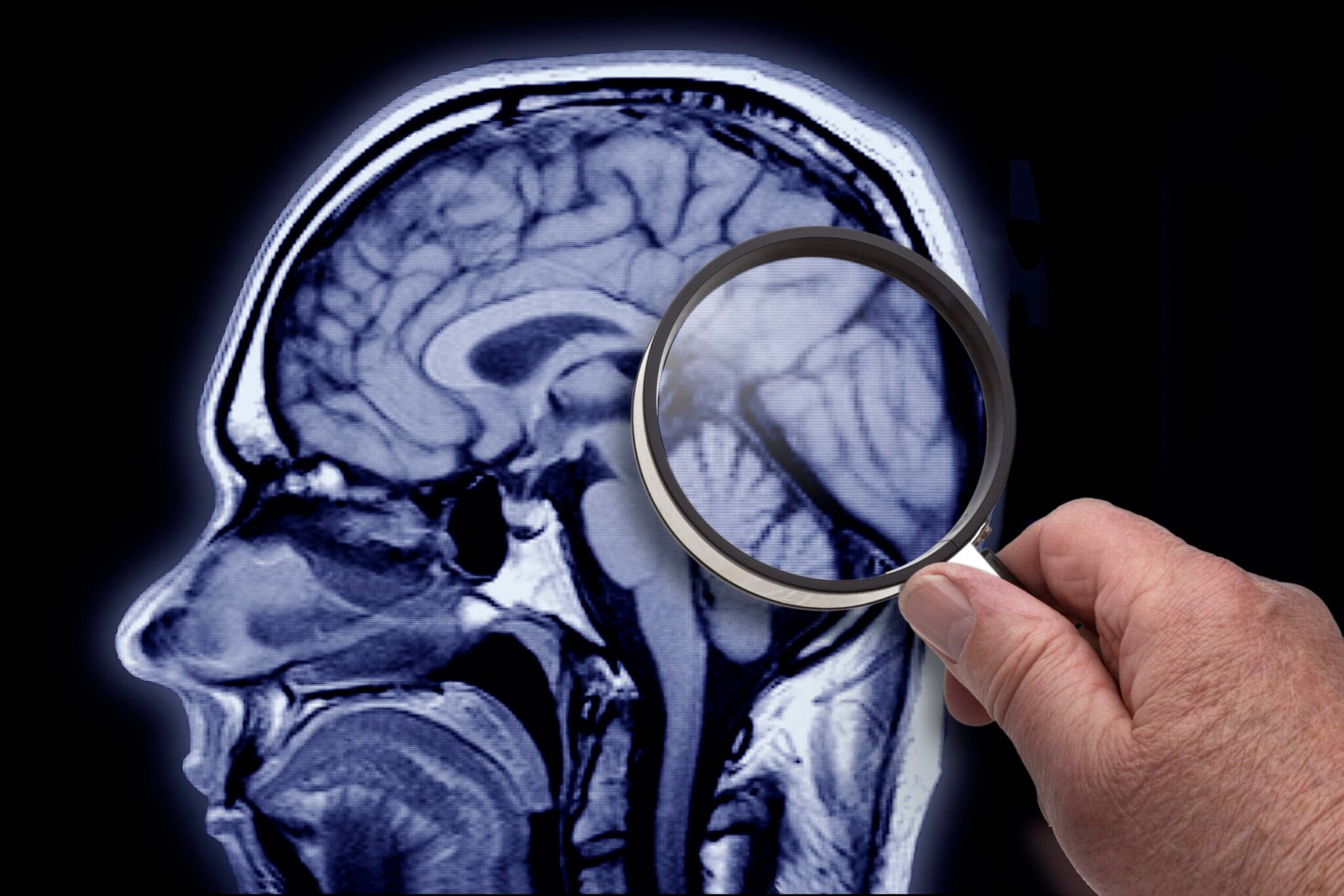
Two-thirds of the people who develop Alzheimer’s disease are women, but the reasons for the gender disparity are not well understood.
Rutgers University is now one of a handful of research institutions nationwide that have teams dedicated to finding real answers to this and other mysteries of the female brain.
The state university recently announced the launch of the Rutgers Women’s Brain Health Initiative, in hopes of building collaborations among researchers across Rutgers’ many campuses — and beyond — to advance studies on how biological changes impact women’s neurological functions.
Ioana Carcea, the Rutgers researcher leading the new project, is an associate professor at Rutgers New Jersey Medical School and researcher at the existing Rutgers Brain Health Institute in Piscataway. The more we can learn about the brain changes that accompany puberty, pregnancy, motherhood, and menopause, the better our chance of treating mental disorders, degenerative brain diseases, and even brain injury in women, she said.
“There’s a lot we can discover from investigating what increases or decreases the risk for certain brain disorders in women,” Carcea told the New Jersey Monitor.
Bill would guarantee NJ doctors same pay for telehealth, in-person visits
The project also aims to boost women’s participation in clinical trials and improve public communication around the science involved. This is something scientific research needs, Carcea said.
“I think society is now talking about this lack of trust, or decreased trust in science and scientists, and that saddens us,” she told the New Jersey Monitor.
Other areas of focus include disparities in autism diagnoses, which are more prevalent for boys, and lower rates of stroke among premenopausal women, Carcea said, noting that findings could also be used to improve health outcomes in men.
Similar focused work is underway at dedicated programs associated with the University of California at Santa Barbara, at Weill Cornell Medicine in New York City, and at Brigham and Women’s Hospital in Boston, Carcea said.
Maria Shriver was among the first to sound the alarm on the Alzheimer’s gender disparity, launching the Women’s Alzheimer’s Movement in 2010 with the national Alzheimer’s Association.
“The hope is that we can create a network that collaborates and coordinates to reach as many people as possible in our communication, and also to partner in research projects,” Carcea said.
The Rutgers’ institute is good news to Assemblywoman Heather Simmons (D-Gloucester), who led the push for a new law that expands insurance coverage for treatment of menopause symptoms. She is now working on additional legislation to close gaps in the first measure.
“These healthcare issues in women are grossly understudied and under-prioritized,” Simmons told the New Jersey Monitor.
Carcea said understanding menopause is a big part of the focus, given the lack of scientific understanding around the shifts that come when a woman stops menstruating. But scientists also want to know more about other phases of a woman’s lifespan, she said.
“We don’t quite understand these profound changes in hormones that we experience, what they do to our brain, and how they might impact our brain functions and our behavior,” she said.
These healthcare issues in women are grossly understudied and under-prioritized.
– Assemblywoman Heather Simmons
In New Jersey, more than 600,000 people are impacted by Alzheimer’s disease, according to Alzheimer’s New Jersey, an independent group that supports patients and families. Some 2,200 people here died from the brain disease in 2023, according to the most recent state data, 1,600 of them women.
Ken Zaentz, president and CEO of Alzheimer’s New Jersey, said that in the past, the gender disparity in diagnoses was attributed largely to demographic and social factors: Women lived longer than men, so more were likely to surpass the age of 65, a point where dementia risk starts to increase. Plus, as caregivers, women were more likely to interact with doctors and be diagnosed.
That is starting to change, Zaentz told the New Jersey Monitor, and researchers are now focused on possible biological causes, particularly genetic links and hormonal changes. Others are looking at how doctors might conflate symptoms of brain disease with the effects of menopause, he said.
New research suggests that the female hormone estrogen protects brain health, in addition to regulating a woman’s menstrual cycle, Zaentz said. Evidence suggests estrogen, which drops to trace amounts with menopause, protects memory, regulates moods, strengthens brain cell connections, and removes harmful proteins, he said.
“So as levels fall as women age, those health benefits may weaken and may possibly leave the brain more vulnerable to Alzheimer’s disease,” Zaentz said.
Carcea said the gaps in knowledge around women’s neurological health reflect a historic preference for studying the male brain, then adapting the findings to cover women. Initially, many medical trials excluded women entirely, according to the National Institutes of Health, something Carcea said the Rutgers program wants to help change by recruiting more women for studies.
Examining the impact of biological changes on women’s brains is not easy, Carcea said. While animal studies are traditionally a useful option in clinical research, she said they are of limited use here, in part because only a few non-human species — orcas and some whales and select primates — experience menopause.
Human data exists, but is hard to analyze, given the vast number and range of symptoms that accompany these phases and the difference in onset age, which can range by a decade or more, Carcea said.
The initiative’s first step will be to bring together the many Rutgers University researchers now studying brain health or related issues, Carcea said, as working on separate campuses makes it hard for them to interact.
“We just want to come together and talk to each other about what we do, and how we could potentially work collaboratively to expand our research and close some of the gaps that exist in this space,” she said.
The institute also hopes to translate these findings for the public into easily accessible resources, like online toolkits and links to quality research, Carcea said, part of a wider desire to strengthen public trust in science.
Carcea said they also plan to collaborate with healthcare providers, like obstetricians and cardiologists, to improve clinical care for women overall.
“This hormonal transition in the women’s lifespan doesn’t affect just the brain, it affects the entire body,” she said.
Simmons is eager for scientific gains to translate into clinical benefits for women and would like to see more menopause education for healthcare providers. She said she knows firsthand the frustration many women in their 50s face, struggling to get answers to healthcare questions that emerge as they age.
“I could go to see five different doctors and at no point do I get a full, comprehensive answer or treatment plan that actually makes a difference for me,” she said.
Clinicians themselves are not to blame, Simmons added.
“There’s just a huge knowledge gap,” she said.



