
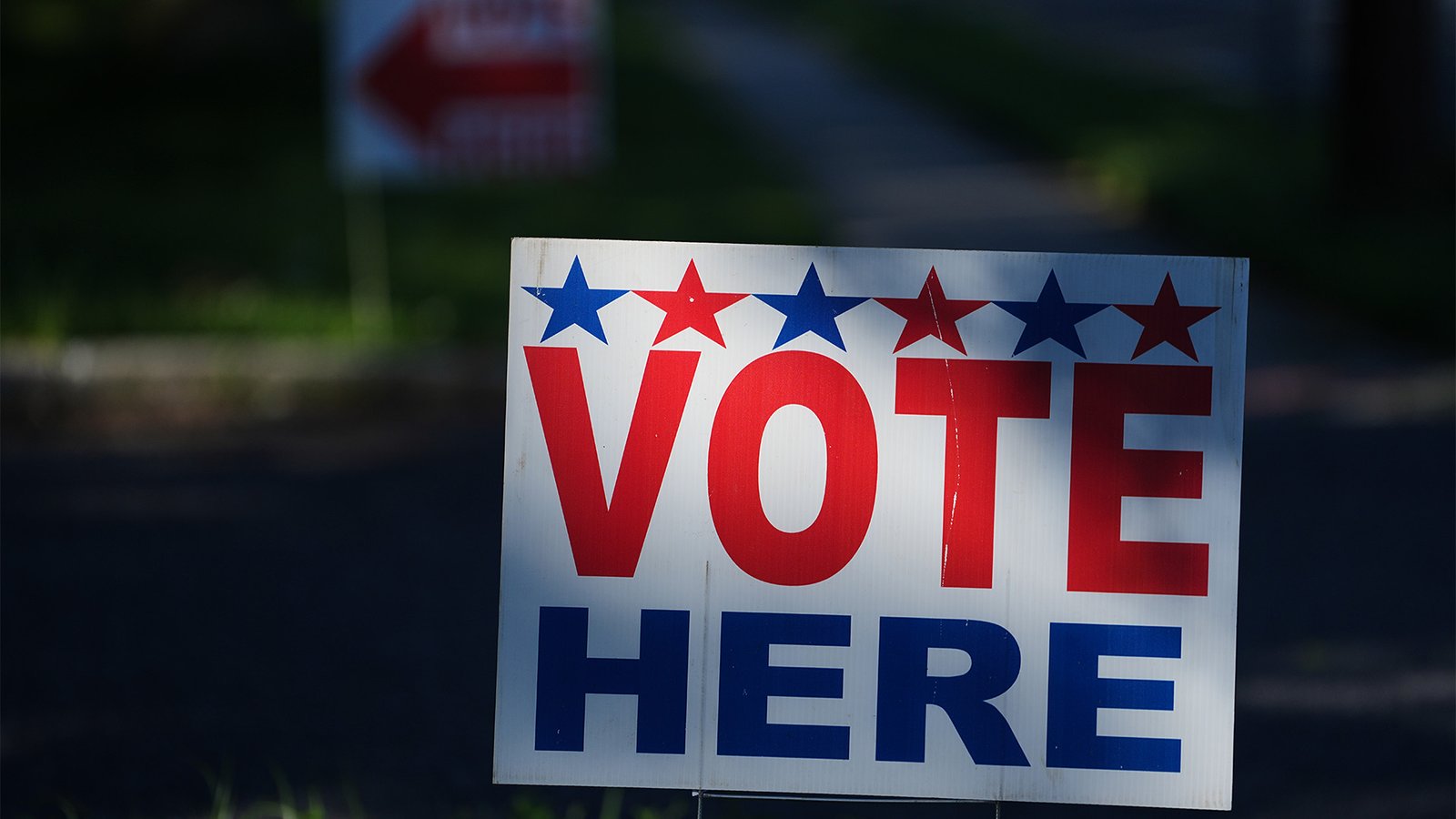
The John R. Lewis Voter Empowerment Act, signed by Gov. Mikie Sherrill on July 2, protects the right to cast ballots and ensures that minority groups have full access to the electoral process. New Jersey is the 11th state to pass such legislation.
Nuzhat Chowdhury, director of the Democracy & Justice program at the nonprofit New Jersey Institute for Social Justice, said it is an important step in light of Louisiana v. Callais, the U.S. Supreme Court ruling on April 29 that declared race-based congressional district mapping was unconstitutional. Chowdhury called that a blow to the federal Voting Rights Act.
That legislation “was passed specifically to make sure that we were delivering on the promises of the 14th and 15th Amendments, which protect voters of color from racial discrimination and make sure that their voice is not diluted,” Chowdhury told NJ Spotlight News.
The district mapping decision was disastrous for minority groups across the country, Chowdhurdy said. New Jersey’s law, though, will protect voting power here, she said.

“Unfortunately what we have seen since 2013 is that there have been multiple Supreme Court decisions which have significantly weakened the protections of the federal Voting Rights Act,” Chowdhury said. “What the John R. Lewis Voter Empowerment Act does is make sure to fill in all of those places in which the federal VRA no longer protects us.”
Overseas voting challenge
In another case, the court on June 29 upheld Mississippi’s counting of postmarked mail-in ballots for five days beyond Election Day. New Jersey has a six-day deadline. “Mail-in voting is one of the ways in which voting is made much more accessible to all communities,” she said. “It is safe, it is very popular and widely used.”
Ahead of the November mid-term elections, which will determine whether Republicans maintain control of the U.S. Senate and House, a candidate for New Jersey’s Third Congressional District mounted a legal challenge to a 2022 state law that allows some individuals overseas to cast ballots. In a lawsuit, candidate Michael McGuire and the Republican National Committee argue that the law is unconstitutional.
New Jersey Attorney General Jennifer Davenport said the state is committed to fighting the lawsuit.
“It’s important to keep in mind who the New Jersey law is impacting,” Chowdhury said. “It tends to be military members, other U.S. citizens overseas, and children of members of the military.”
This story is made possible in part by the Corporation for Public Broadcasting, a private corporation funded by the American people.
We’re in this together.
For a better-informed future.
Support our nonprofit newsroom.



