
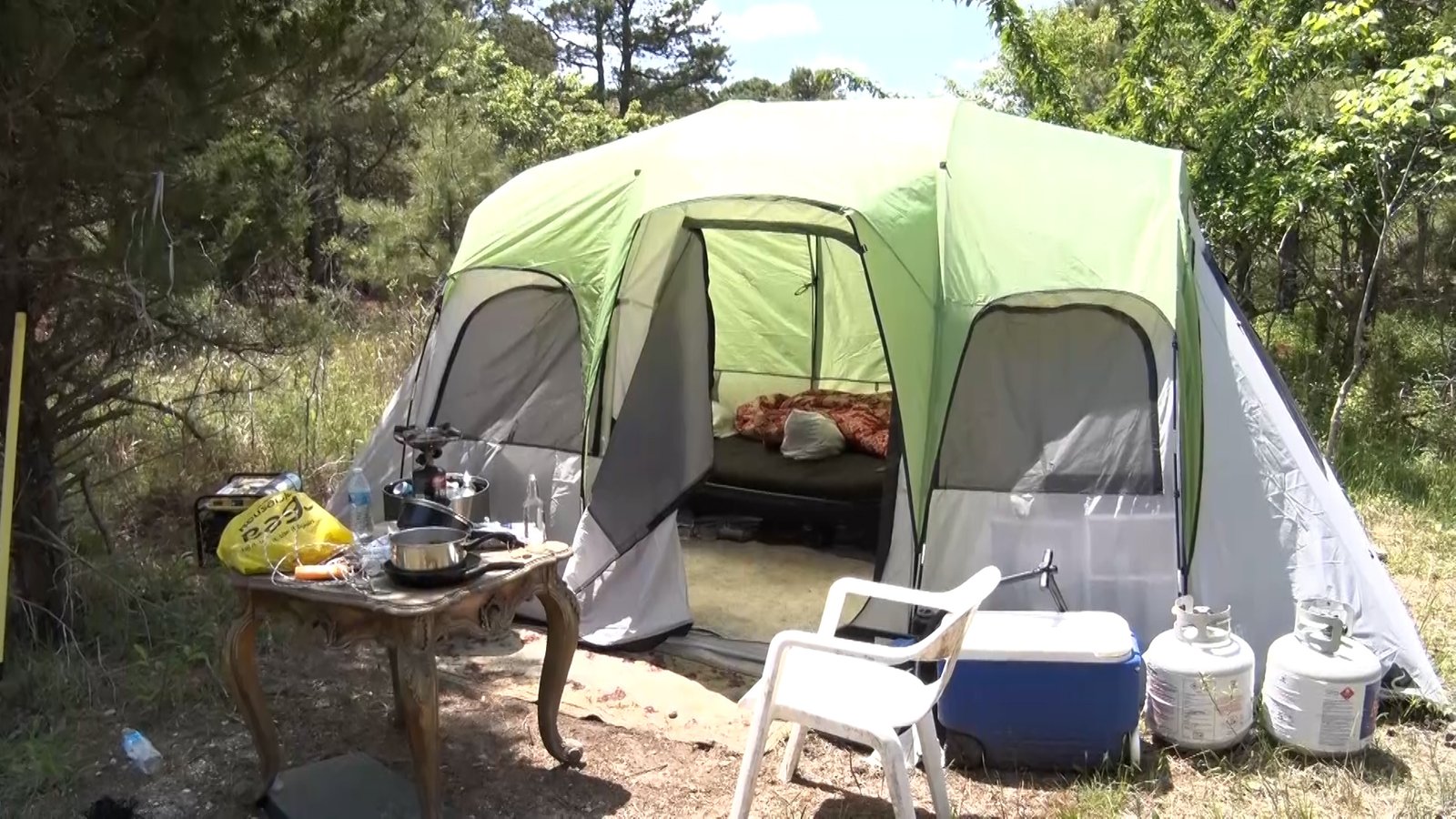
 Since the pandemic ended, the streets of New Jersey have become home to more and more people each year. During 2025, more than 172,000 residents sought out housing stability resources by calling 211, the statewide assistance referral service. The one-night-a-year Point-in-Time Count identified nearly 14,000 unhoused individuals in January.
These numbers are higher than in Connecticut or Vermont, yet in the Garden State, we spend a lot fewer dollars per person on homelessness.
There’s no upside to spending less on homelessness support when taxpayers still pay millions of dollars for emergency services and jail cells for people experiencing homelessness. Other states have realized that, as research shows, spending more on housing and shelters has been proven to be more cost-effective, while also improving the lives of our neighbors.
 Credit: (Princeton University Eviction Lab)
New Jersey allocated around $180 million to homeless services for the current fiscal year. That’s an average of $13,556 per unhoused individual. Meanwhile, Connecticut and Vermont both spend more than $20,000 per person experiencing homelessness. Dedicating more money to earlier interventions is cheaper, in the long run, than spending less by underfunding service providers, research shows.
This has been shown all over the country over many years:
- A 2024 Florida study found annual state spending of $31,065 per person experiencing chronic homelessness, while permanent supportive housing would average $10,000.
- In Los Angeles, permanent supportive housing was associated with a nearly 60% reduction in public service costs, an analysis found, and clients also experienced improved mental and physical health.
- In Chicago, housing and case management interventions stood to save $5.5 billion over 10 years, according to 2010 hospital research. These costs are so high for people who are experiencing homelessness compared to their peers in large part because the experience of homelessness causes both physical and emotional trauma.
- In New Jersey, spending for a beneficiary experiencing homelessness was as much as 27% more than that for a housed individual with similar characteristics, according to a 2020 Medicaid study. Three-fourths of that additional cost was attributed to hospital inpatient and emergency department visits. Something as basic as being unable to provide an address at discharge could result in a longer inpatient stay than their peers. These aren’t negligible differences. The care for one unhoused woman in Camden exceeded $100,000 in emergency room costs alone.
When people have access to safe housing, use of public services like these goes down as they move from living in a state of crisis and focus on safety and well-being.

While some people argue that government resources are limited and that funding homeless services competes with other priorities, the New Jersey 2026 budget to address homelessness accounts for just 0.32% of statewide funding. By comparison, funding for homelessness accounts for 0.51% in Illinois — without counting the $78 million provided by the city of Chicago — and 1.23% in Massachusetts. In other states, elected officials have learned this key takeaway: Inaction is the most expensive cost to local governments in addressing homelessness.
Beyond health care costs, failing to provide shelter or housing puts a fiscal burden on the legal and public education systems. Los Angeles County government determined that it costs $20 million a year to enforce prohibitions against loitering, panhandling and other offenses frequently associated with people experiencing homelessness. For children who are homeless, governments bear the cost of school transportation to prevent interrupting their education. Tragically, from 2023-2024, New Jersey logged a 29% increase in families with children experiencing homelessness.
Without additional funding, homelessness numbers will continue to balloon. Resources are already stretched thin and it’s estimated that New Jersey will see increases both in shelter demand and unsheltered homelessness of over 90% each this year, according to the New Jersey Coalition to End Homelessness. And for many residents, housing continues to remain out of reach even when they have jobs: More than half of the people living in homeless shelters nationwide are employed. The data show that the threat of homelessness transcends employment status, and the safety net isn’t large enough to catch everyone.
When evidence shows that building out that safety net saves taxpayer dollars, the next move feels clear.
The Senate and the Assembly are considering resolutions that would provide an additional $40 million for homeless services statewide. While that amount wouldn’t allow New Jersey to address the needs fully, it would contribute to a multiyear plan to strengthen housing stability resources and ensure fewer residents experience a crisis. These resolutions ask our state legislature to follow nationwide evidence-based best practices by investing earlier and investing strategically, so that every New Jersey resident can confidently feel at home.



