
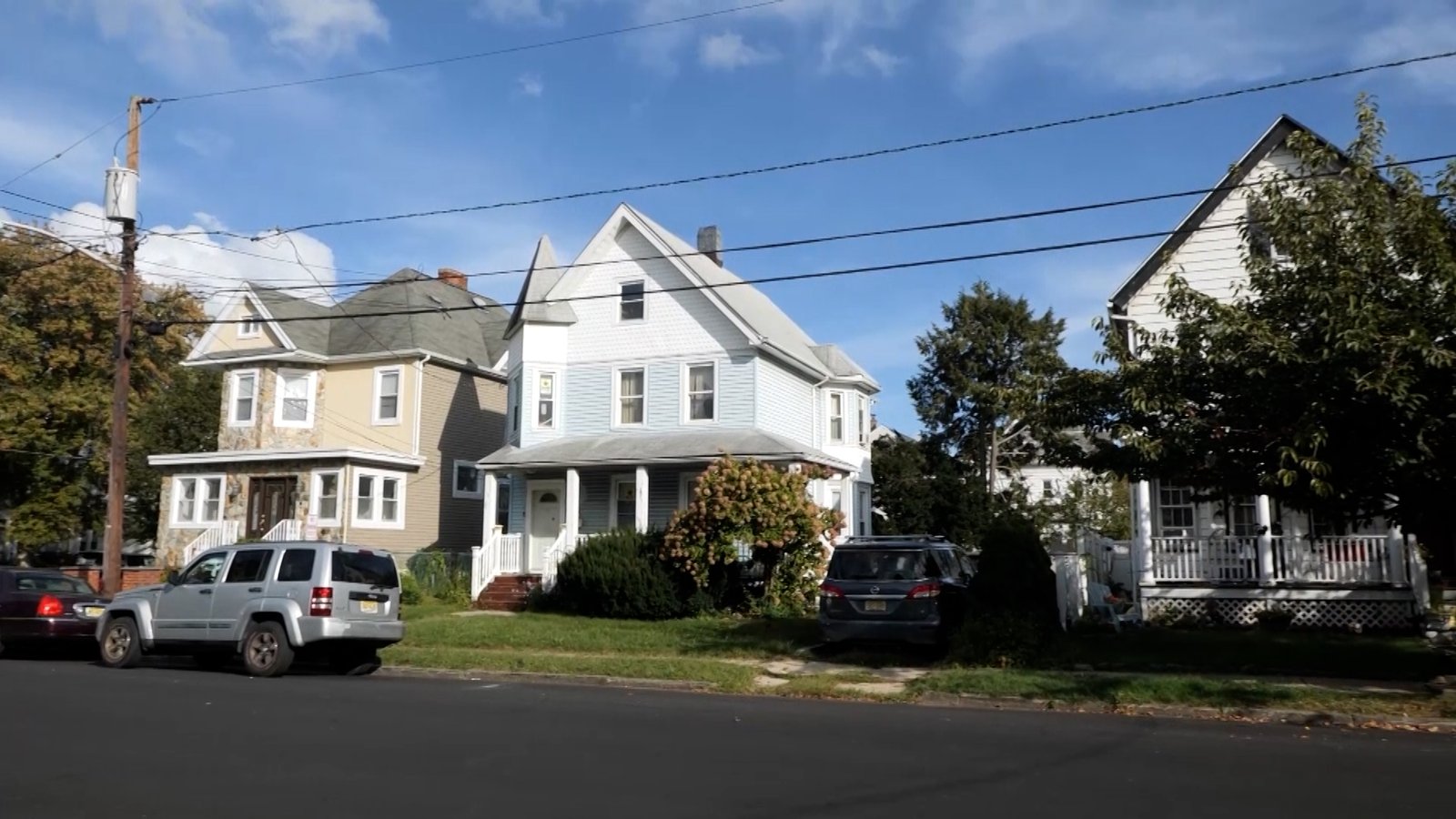
 I love living in New Jersey. As I look toward retirement, though, I wonder how I’ll afford to stay in my home.
I have practiced here as a veterinarian since graduating in 1991. I bought my house in 1999 and have watched its value climb along with New Jersey’s housing costs. With that rising value, though, came rising taxes, so when my Stay NJ benefits arrived this year, I appreciated the extra cash.
Yet with school districts facing layoffs and so many lower-income New Jerseyans struggling to meet basic needs, now is not the time to send me a check for thousands of dollars.
 Credit: (Cranbury Democratic Committee)
Stay NJ sounds impossible to oppose. Who could be against cutting property taxes in half for seniors? But look closer, and the picture changes. This isn’t a property tax cut. It’s a direct government subsidy for homeowners, and one with a steep price tag: Left unchanged, the program will pull $1.2 billion from the same fund that pays for our public schools.
A fair tax system asks those who can afford it to contribute their share, while people with fewer resources get more support.
As written, Stay NJ gets this wrong in two ways. New Jersey lawmakers, in the waning days of negotiating a fiscal 2027 budget that must be in place by July 1, have an opportunity to turn the program around.

First, the income limit is so high that people like me, with successful careers and above-average incomes, still qualify for the maximum benefit of $6,500. Someone earning $475,000 a year can take home the same check as someone living on $20,000 in annual Social Security income.
Second, because benefits are based on a property tax percentage, the program pays more money to people who own more expensive homes. The benefits keep growing until property taxes reach $13,000, well above the state average of $10,570. Those with modest homes receive a fraction of the maximum benefit, while someone with a mansion collects the full $6,500.
Gov. Mikie Sherrill’s proposal would fix both problems.
Lowering the income cap to $250,000 from $500,000 means state taxpayers stop subsidizing wealthier homeowners. And reducing the maximum benefit to $4,000 protects most seniors while trimming the subsidy that flows to owners of high-value homes.
We’re in this together.
For a better-informed future.
Support our nonprofit newsroom.



