
 Imagine the following scenario as a parent, school administrator or resident of New Jersey.
Two days before classes start, the school district receives a call that a certified science teacher — for a credit-bearing, required course — suffered a medical incident and needs a seven-week leave of absence.
The district has two options: Hire a substitute with little to no science background, or provide a certified science teacher to instruct remotely, with students to have in-class supervision.
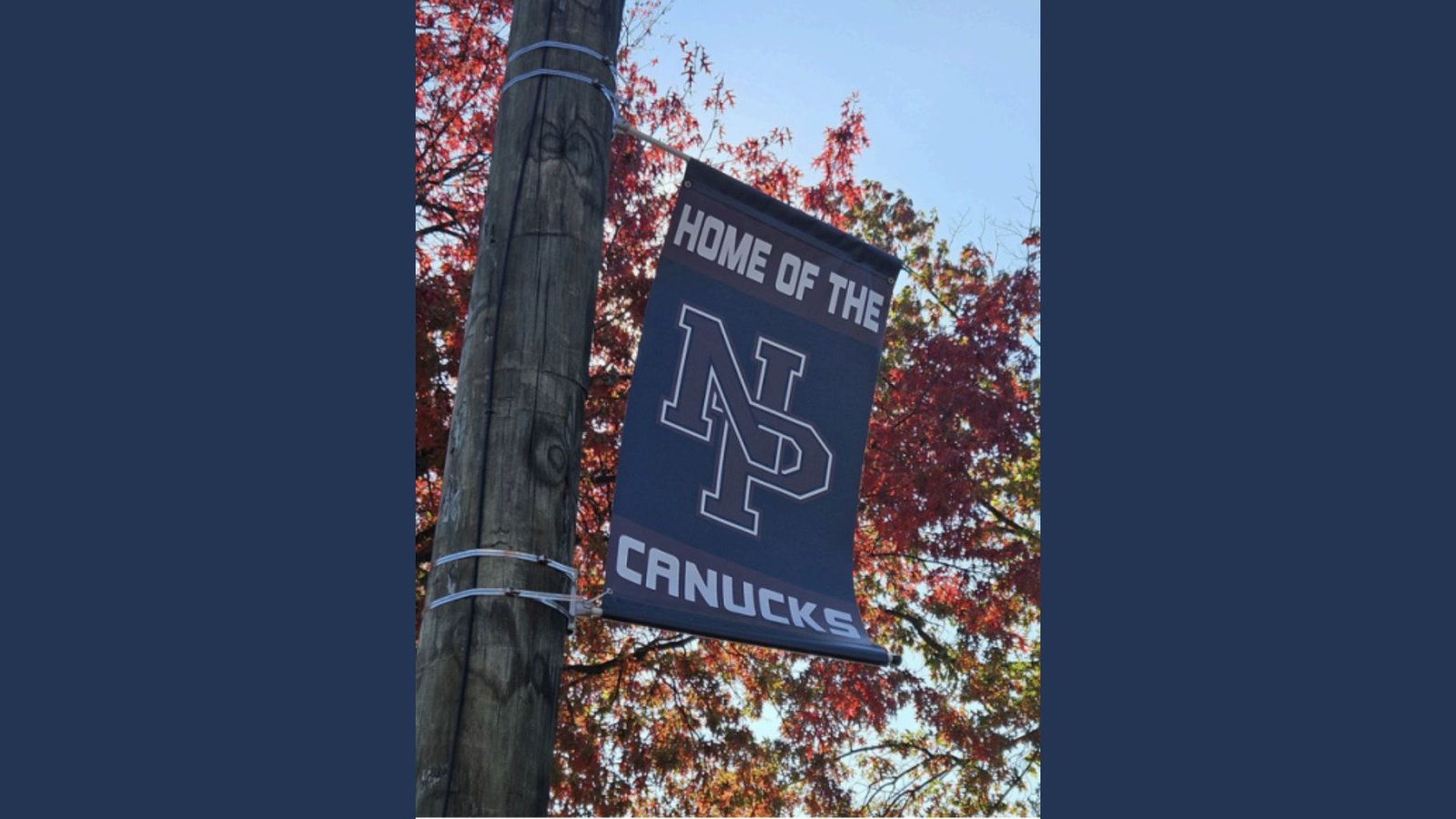
The 3,575-student North Plainfield school district, short certified teachers, opted for the remote route. That drew a complaint from the local teachers union. A final decision in that matter by the New Jersey commissioner of education highlights a regulatory Catch-22, highlighting a painful disconnect between rigid, pre-pandemic legal frameworks and the realities of running a school district.

New Jersey school superintendents wake up with a common mission: to provide a thorough, compliant, efficient and high-quality education. When state law mandates a course that students need to graduate, and no qualified teacher can be found, what realistic options remain?
Strenuous search
New Jersey schools must provide a minimum number of credits in world languages and biology for students to graduate.
If a district fails to offer these courses, it risks state sanctions and compliance consequences. However, these consequences are largely bureaucratic in nature.
What matters most is that students need instruction by content-area certified teachers, not substitutes who may have little to no knowledge of the subject. It is worth noting, too, that standard New Jersey substitutes can work if they have a minimum of just 60 college credits, or 30 if currently matriculated.
From 2022-2024 North Plainfield undertook a strenuous search to fill critical teaching roles for Spanish, French, American Sign Language and biology.
How many qualified applicants applied?
Zero.
What is district leadership supposed to do? Cancel the course? Tell high school seniors they cannot graduate because an in-person teacher is impossible to find in the local applicant pool?
It is unreasonable to hire just anyone. That may look good on paper. Students, though, would not be receiving a “thorough and efficient education.” as the state constitution demands.
So much for innovation
Faced with this staffing emergency, North Plainfield found a temporary solution used around the country: The school board contracted with a reputable, well-regarded provider of virtual instruction by certified teachers.
To understand why this worked, it helps to look at how classes functioned.

Students were not sitting at home on laptops, but were in their classrooms, where they had district-certified and board-approved staff members to monitor and assist. The virtual instructors taught a curriculum aligned to the New Jersey Student Learning Standards. Finally, not a single local union member displaced, laid off or supplanted.
In short, North Plainfield acted in good faith to fulfill its education promises.
New Jersey districts for many years have relied on contracted nurses, therapists and athletic trainers without controversy. Yet temporary emergency academic instructors are treated differently.
They often work alongside our staff. They navigate the same education ecosystems. They can even can be dues-paying union members subject to Teach NJ evaluation frameworks.
If outsourcing critical medical and therapeutic support services is widely accepted, why is an emergency academic bridge treated like a systemic violation?
Bureaucratic handcuffs
The district acted reasonably and within its legal authority to operate during an emergency, according to an April 28 final decision by Education Commisioner Lily Laux in a petition brought by the North Plainfield Education Association.
Yet, in a classic case of no good deed goes unpunished, the state ruled that because these remote instructors handle teaching, grading and testing, they must be legally classified as traditional “teaching staff members.” This single definition triggered a mountain of compliance requirements that significantly undermine the viability of virtual partnerships:
- Certification: Instructors must hold a valid certificate issued specifically by the New Jersey State Board of Examiners, regardless of their out-of-state credentials.
- Fingerprinting: Despite passing other background checks, instructors were required to be vetted specifically through the New Jersey State Police.
- Board votes: Instead of approving a single vendor contract, the board must conduct individual, recorded roll-call majority votes for each remote teacher.
- Observations: The district must evaluate these private contractors three times a year using the local rubric — a requirement designed for evaluating district employees and tracking tenure-eligible performance, not private contractors.
- The commissioner closed by warning that any future third-party contracts will face “close scrutiny” regarding local recruitment efforts. While we should assume positive intent, state leadership is clearly viewing this emergency solution through a hyper-bureaucratic lens rather than a practical one.
The path forward
No superintendent would choose virtual instruction over a certified teacher physically present in the classroom. When recruiting efforts fail to produce qualified candidates, though, districts need practical options that keep students learning and on track for graduation.
The question raised by the North Plainfield case is not whether virtual instruction is preferable. It is whether carefully supervised, temporary virtual instruction should be available as a last resort.
If the answer is no, then the state must provide an alternative that allows districts to satisfy both their legal obligations and their educational responsibilities. Until then, districts remain responsible for meeting mandates — without being given the tools necessary to fulfill them.



