
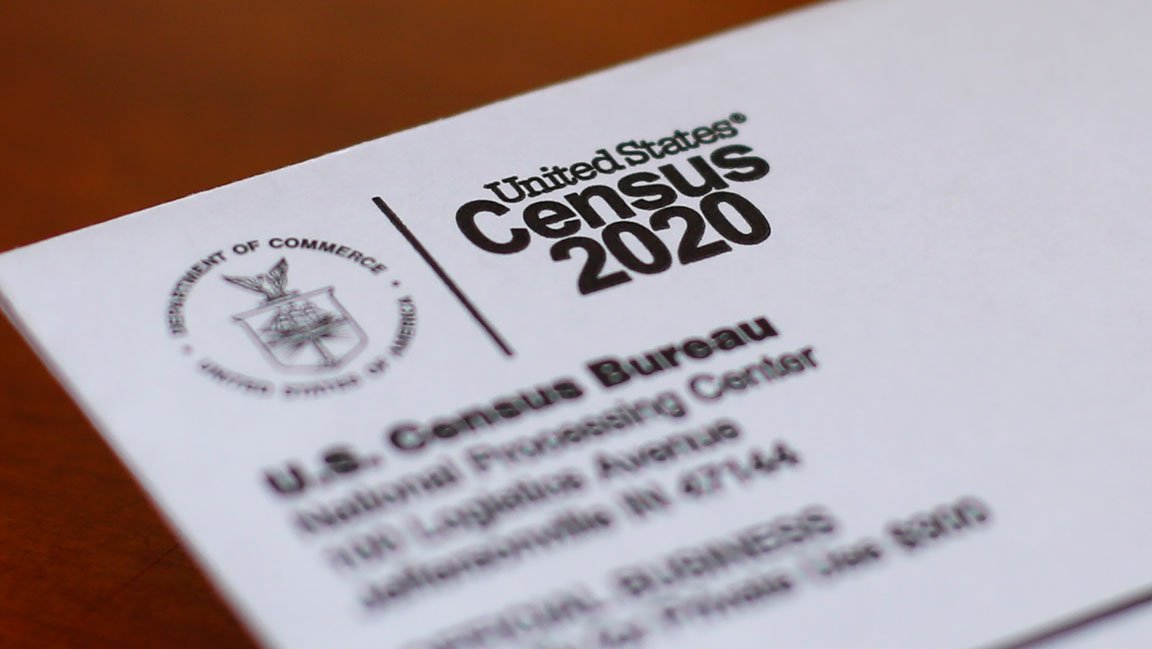
 Across the country, voting rights protections are weakening, redistricting efforts are intensifying and confidence in democratic institutions is eroding. Amid these challenges, the U.S. Census — one of our nation’s most consequential democratic exercises, and possibly one of its most overlooked processes is facing unprecedented threats.
The Census is far more than a population survey. It is one of the most powerful tools in U.S. government. Its results shape congressional districts, determine political representation and direct billions of federal dollars to communities. The decisions made through the Census lock in power, resources and public policy priorities for 10 years.
As federal attacks on the Census intensify, New Jersey must recognize what is at stake and begin to prepare now.
Politicized process
For much of our country’s history, the Census was a scientific and apolitical tool. We counted those living in our state and were allocated federal funds and representation. Under the first Trump administration, tthough, he Census became politicized, with unfounded claims that it was a tool of fraud and deception.

While New Jersey worked hard to ensure the 2020 Census proceeded, lawmakers are deeply misguided if they believe they can repeat that for 2030. The next Census will be conducted under far more difficult circumstances.
Unlike 2020, the federal government is actively gutting the Census Bureau. Staffing and funding cuts have significantly weakened the bureau’s capacity, with more than 1,500 staff lost through buyouts, early retirements and budget reductions. Efforts continue, via litigation and federal legislation, to add a citizenship question, threatening to mute participation by immigrant communities.
At the same time, critical preparation efforts are being scaled back. The 2026 Census Test — intended as a 2030 dress rehearsal — has been reduced in scope, with fewer testing sites, less geographic diversity, English-only materials and untried collection methods.
The overlooked
Against this backdrop, New Jersey must be ready.
National population growth is slowing and reports project that states including New York and Pennsylvania are likely to lose congressional seats. Even a modest New Jersey undercount could jeopardize our representation in Washington and weaken our voice for the next decade. In 2020, an undercounted New York lost a congressional seat by just 89 people.

One challenge is that the Census has historically undercounted populations that are cautious of a hostile government and are reluctant to share information. That includes immigrants, renters, low-income residents and the unhoused. While New Jersey had a strong count in 2020, significant undercounts occurred urban communities such as Paterson, Newark and Elizabeth.
The good news is that New Jersey has an opportunity right now to get ahead.
In the next 12 months, local governments will participate in the Local Update of Census Addresses, a critical process by which communities verify the Census Bureau’s address lists. It may sound technical, but the update is one of the most important steps in ensuring a complete count. If an address is missing, the people who live there are likely to be uncounted. If people are missing, funding and representation are lost.
An investment, not an expense
We cannot wait to start in 2028 or 2029. By then we will have put ourselves at a disadvantage and all but guarantee an undercount. We must begin now to ensure an accurate figure and then get all the federal funding we are owed to invest in our communities.
As New Jersey lawmakers finalize the budget for the fiscal year that starts July 1, they should include robust funding for Census preparation and outreach. A relatively modest investment of $3 million-$5 million today can help ensure that every New Jerseyan is counted, protect our representation in Congress and secure billions of dollars in federal funding.
The Census is not another expense. It is an investment in our children, our families and our future.
New Jersey’s 2020 Census successes came from preparation and partnership. The 2030 Census will be different, and complacency is our enemy. Federal resources are shrinking, Census infrastructure is weakening and trust in government is declining. The groundwork for 2030 is being laid now, and our greatest threat to a complete count is the belief that we can wait.



