
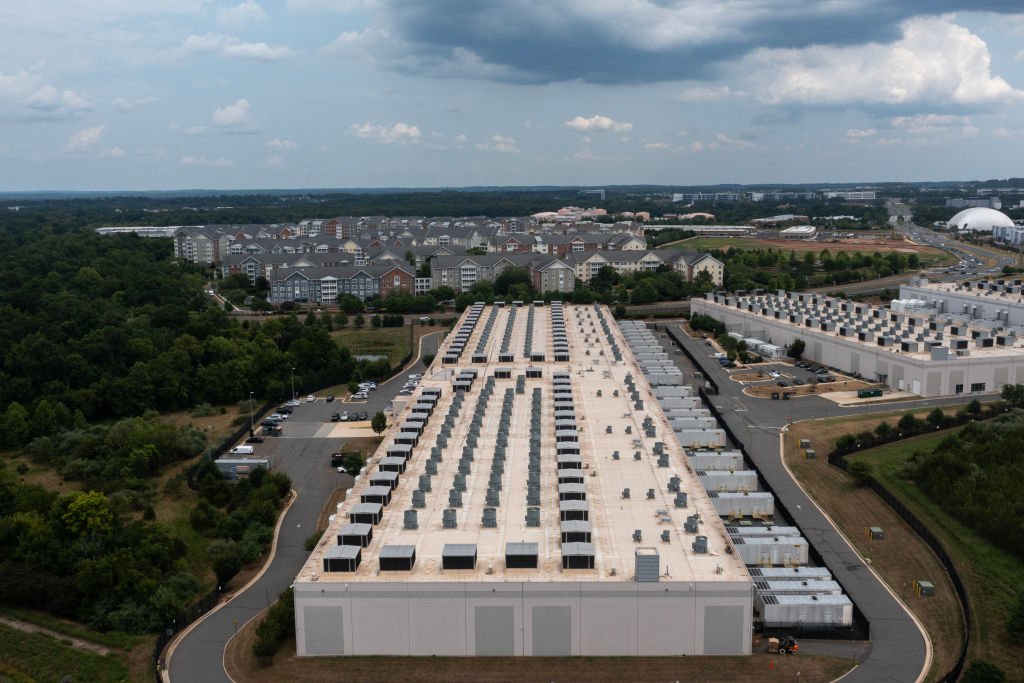
The nation’s largest electricity grid — which includes Washington D.C., New Jersey and a dozen other states — received a green light from the Trump administration on Tuesday to require data centers and other large customers to turn on back-up generators during this week’s heatwave.
The order, signed by U.S. Secretary of Energy Chris Wright, allows PJM Interconnection to tap into diesel back-up generators, battery arrays and more as a “last resort” to prevent power shut-offs as temperatures climb to dangerous heights in the latter half of the week.
“Currently, there are tens of gigawatts of readily available backup generation that have remained largely untapped,” Wright wrote in his order. “Deployment of backup generation resources … can prevent avoidable blackouts, thereby saving lives and reducing costs to the American people.”
Wright’s emergency order will last through July 3. It does not apply to certain facilities serving a critical need, including hospitals, 911 call centers, water treatment plants, air traffic control towers and defense facilities.
But it does include AI data centers, which have wreaked havoc on PJM’s markets because of their immense energy demands.
PJM also received approval from the U.S. Department of Energy on Tuesday to require power generating facilities to operate to fuel the grid — even if they would surpass pollution limits by doing so.
“Because the additional generation may result in conflict with environmental standards and requirements, I am authorizing only the necessary additional generation on the conditions contained in this Order,” Wright wrote.
It is up to PJM to call upon the power plants to operate and set the parameters, and it must notify the Department of Energy when additional power generation resources are tapped to go beyond its pollution allowances.
Power generators are to comply with environmental regulations, including recordkeeping requirements, to the “maximum extent practicable” during the emergency. According to PJM officials, the order could result in exceedances of sulfur dioxide, nitrogen oxide, carbon monoxide, ammonia and wastewater releases. The order expires at 11:59 p.m. on July 3.
PJM is predicting high demand through the weekend, peaking on Thursday, when demand is projected to set a new record for the grid at 166,304 megawatts, surpassing the previous record of 165,563 megawatts, set in 2006.
The National Weather Service is predicting extreme heat with temperatures topping 100 degrees Fahrenheit through the July 4th weekend.
PJM is operating under a hot weather alert through July 3. For Wednesday, July 1, the grid operator also issued a “maximum generation alert,” which calls on transmission and generation owners to defer any possible equipment maintenance or testing activities until the heatwave passes.
The grid operator has also issued a “load management alert,” advance warning that it could use demand response programs on July 1, programs that pay customers who sign up to allow for energy reduction during emergencies.
In anticipation of the heat wave, utilities have been offering customers tips to conserve power whenever possible in order to lower their bills.
The lists include setting thermostats at higher temperatures such as 78 degrees, using appliances later in the day, cooking outdoors when possible and using fans for cooling, but turning them off when no one is present in a room.
This article first appeared in Maryland Matters, which is part of States Newsroom, a nonprofit news network supported by grants and a coalition of donors as a 501c(3) public charity. Maryland Matters maintains editorial independence. Contact Editor Steve Crane for questions: [email protected].



