
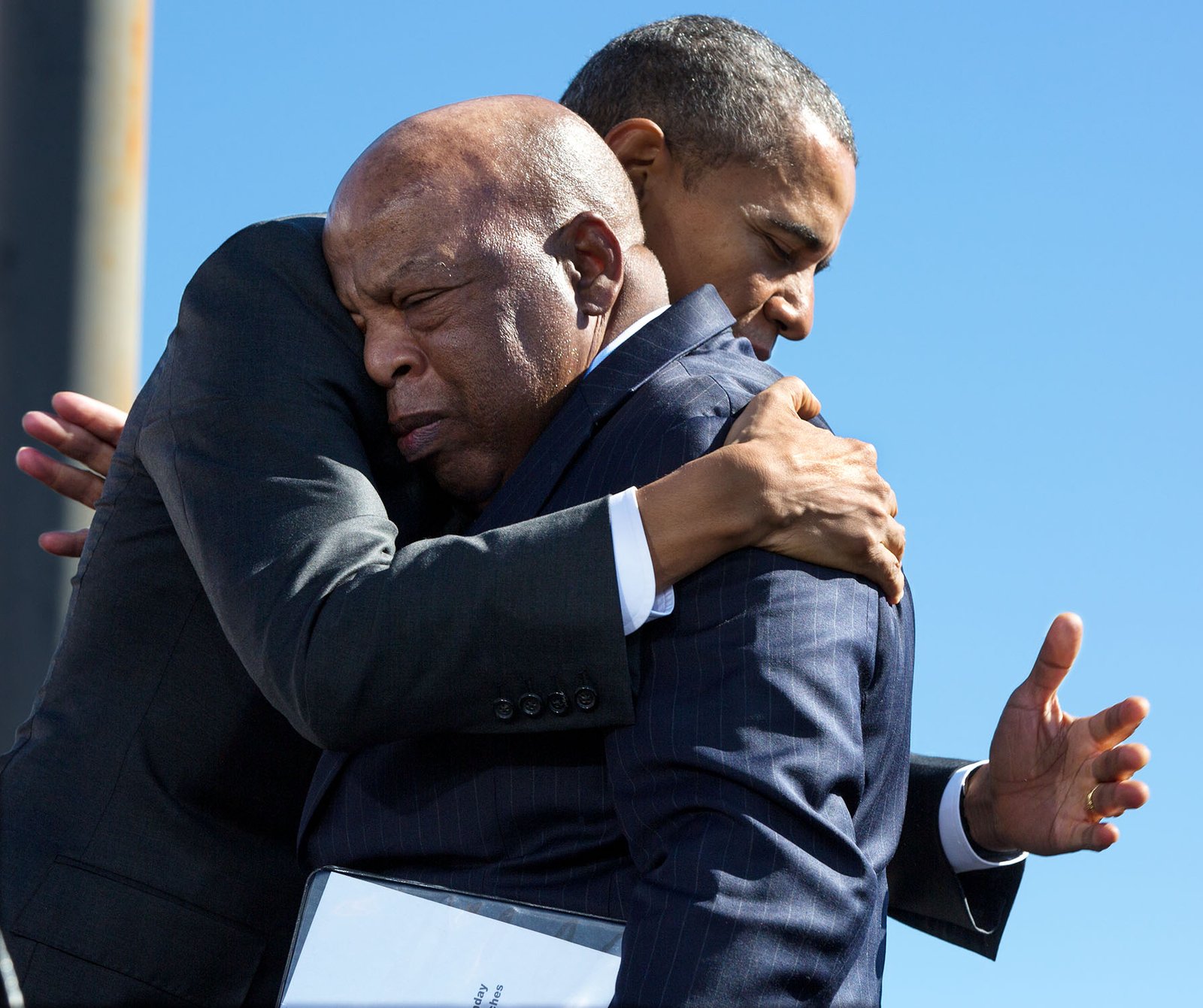
Gov. Mikie Sherrill on Thursday signed the John R. Lewis Voter Empowerment Act of New Jersey into law, making New Jersey the tenth state to enact its own voting rights law.
The new law, named for the late Georgia congressman and civil rights leader John R. Lewis, was approved by the Legislature on Tuesday along party lines after months of debate and amendments.
The legislation was sponsored in the Senate by Senate President Nick Scutari, Senate President Pro Tempore Shirley Turner (D-Lawrence), and Sen. Joe Cryan (D-Union). Assemblywoman Verlina Reynolds-Jackson (D-Trenton) was the Assembly prime sponsor.
The law declares it to be New Jersey’s public policy to encourage participation by all eligible voters and ensure that members of protected classes, including racial, color, and language-minority groups, have an equal opportunity to participate in the political process. It directs courts to interpret voting laws liberally to protect the right to vote and ensure equitable access to voter registration and elections.
Scutari said the legislation is intended to preserve confidence in New Jersey’s election system.
“The cornerstone of our democracy is the right of every eligible citizen to cast a ballot in free and fair elections,” Scutari said. “We must remain vigilant and ensure our election laws evolve to meet new challenges that threaten this fundamental right. By strengthening safeguards against voter suppression, expanding access to the ballot, and promoting greater transparency, this legislation helps ensure every eligible New Jerseyan can participate in our democracy with confidence. We should never take that responsibility for granted.”
Reynolds-Jackson called the measure “a meaningful step toward ensuring every eligible voter can fully participate in our democracy.”
“This legislation reflects the principle that voting is a fundamental right that should be protected, not restricted,” she said. “By strengthening safeguards against discrimination, improving language access, increasing transparency, and creating stronger protections for voters, New Jersey is reaffirming that our democracy works best when every eligible voice has an equal opportunity to be heard.”
The law prohibits state agencies, local election offices, and political subdivisions from adopting voting qualifications, election procedures, or policies that deny or abridge the voting rights of protected classes or create material disparities in voting opportunities.
It also establishes standards for claims involving alleged vote dilution resulting from election methods and authorizes courts to order remedies for violations.
The statute expands language-access requirements. Political subdivisions that meet specified population thresholds must provide ballots, election notices, instructions, voter information, and other election materials in designated languages in addition to English. They also must provide bilingual election workers when available. The Attorney General will determine which jurisdictions qualify for additional language assistance using census or comparable government data.
The bill originally would have created an independent Division of Voting Rights, but that provision was removed before final passage.
The law also establishes a preclearance process requiring certain covered political subdivisions to obtain approval from the Attorney General before implementing specified election-related changes. Covered jurisdictions are identified under criteria set forth in the statute.
Additional provisions require greater public participation in municipal and county redistricting in covered jurisdictions. They include multiple public hearings before and after draft maps are released, outreach to non-English-speaking communities, publication of proposed maps and explanatory reports, and additional opportunities for public comment before final adoption.
The act also creates a process allowing prospective plaintiffs to notify political subdivisions of alleged violations before filing suit, giving local governments an opportunity to take corrective action. Under certain circumstances, plaintiffs who successfully prompt remedial action may recover up to $50,000 in documented costs associated with preparing their claims, subject to periodic adjustment.
Turner said the legislation responds to growing concerns about voting rights nationwide.
“Throughout the last several election cycles, we have seen voting rights come under attack across the country in ways that have raised serious concerns about access to our democratic process,” Turner said. “At a time when proposals are advancing nationally that could make it harder for eligible citizens to vote, especially for women and communities of color, it is critical that New Jersey continues working to protect and strengthen access to the ballot box.”
Cryan said the measure carries forward Lewis’ legacy.
“John Lewis dedicated his life to protecting the right to vote and ensuring every American had a voice in our democracy,” Cryan said. “This legislation continues to work by strengthening voter protections, improving transparency in election administration, and helping ensure every eligible New Jerseyan can participate in the democratic process without unnecessary barriers or intimidation.”
New Jersey is the first state to pass its own voting rights law since the U.S. Supreme Court’s decision in Louisiana v. Callais.



