
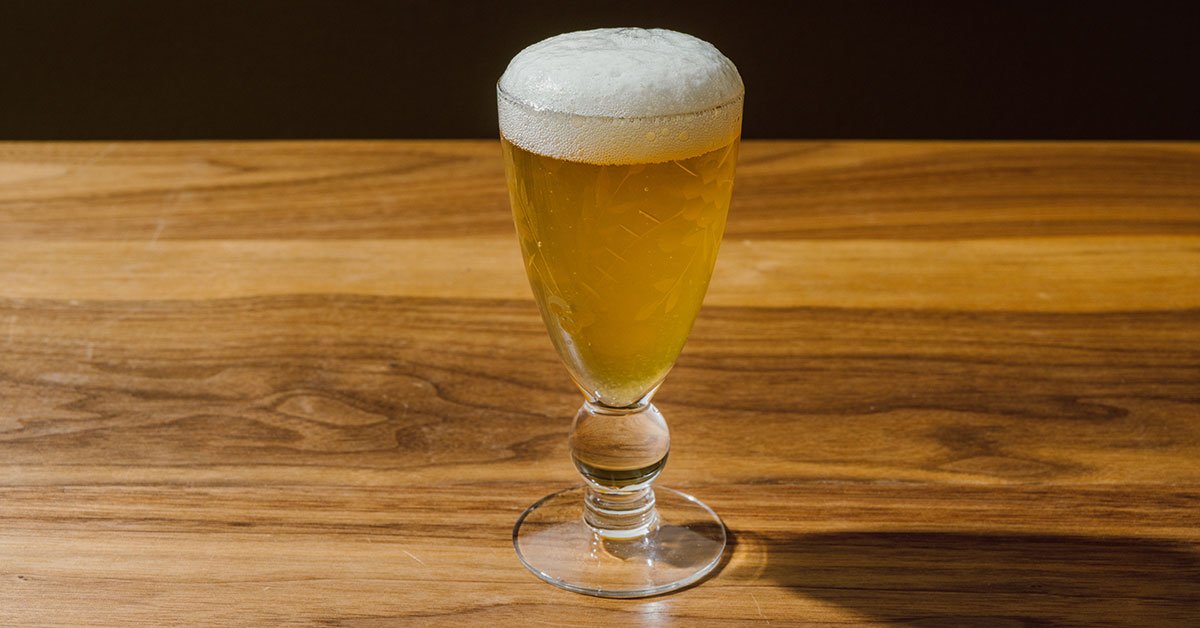
Having sung the praises of fun-size Martinis, mini Manhattans, Snaquiris, tiny beers and wines served in stout tavern glasses, it’s safe to say that we love a diminutive drink. The reasons are simple: You’re technically drinking less, so you can easily try different things, and little drinks also make great aperitifs or digestifs if you’re at home and batching big to “serve small.” Over the past few years, there has been real innovation in the cute-cocktail space.
Recently, at the newly opened Somssi in New York, I was delighted to see a dedicated “little beverages” section on the menu. I’ve had a mini Martini at happy hour or a shot-sized version of a bar’s signature drink, but they’re just not as common in a restaurant setting, so when I saw them, I had questions. Are they little welcome drinks, to open your palate? Digestifs if you want to linger with one more thing after dinner? Yes, and.
“Anytime anybody sees those, they immediately get curious. I’ve been asked so many times already: What is a little beverage?” says head bartender Christian Gray. He says it’s open-ended. Somssi’s little beverages—which are served in various etched, spiked and bobbled cordial glasses sourced in the Midwest by Margaret Muza—are fully composed cocktails, just in a smaller format. And they’re different from those on the regular cocktail menu, which includes a Cognac highball and a Scotch sour made with spruce tips, among others. “We were mostly excited about the opportunity of sneaking them in at various points in the meal,” says Gray. You might drink one at the bookends of your dinner, sure, but the team might also bring you one while you wait for a dish, or you might want one between courses—consider them Trou Normands of sorts.
To meet those varied needs, the drinks are versatile. The Countermand, for example, is a mini reverse Martini that’s vermouth-forward, so it’s a good starter cocktail, but it’s also refreshing and aromatic, making it slot well later into the evening. For the bar team, the format also makes drinks that could feel “cumbersome,” as Gray puts it—like that reverse Martini, which, in full-size, some find cloying—more appealing. The Campus Queen, based on a drink created by Brad Thomas Parsons called the Brunch Box, might turn away non-beer-drinkers, but Gray says in the tiny glass, without the weight of ounces and ounces of pilsner, a surprising number of guests love the drink. His take is punched up with grapefruit oleo saccharum and alpine amaro. The most popular little beverage, meanwhile, is the Cherchez La Femme, a shaken mix of Clairin, mango and lime.
One of the most interesting ways people are engaging with the format is alongside a classic cocktail. Gray says he’s seen guests drinking the full-sized, house Martini intermittently with the Countermand. “That was fun because they could explore the flavors, their similarities and differences,” he says. Others are drinking them alongside wine or sake from the extensive beverage program. The approach reminded me of an online trend that seems to have stuck (I still hear people referencing it IRL): drinking three drinks at once, “one for fun, one for energy, one for hydration.” And why not? The small glasses offer a more-affordable price point (and lower net level of booziness).
Could this convert the cocktail-curious into studied drink enthusiasts? Or open the hearts and minds of the “I only drink wine with dinner” crowd? I think it could, at least a little bit.



