
I have found, in my journeys, that most people lack perspective. And those who think they do really don’t have enough.
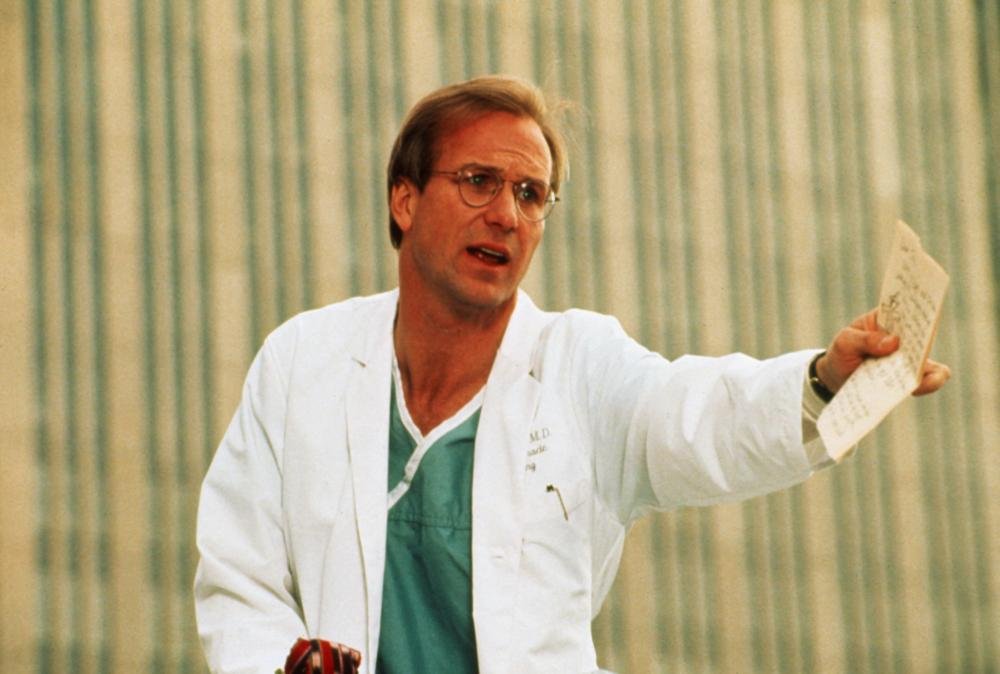
I was rewatching the 1991 movie The Doctor, in which William Hurt plays a brilliant, accomplished surgeon who is supremely arrogant and emotionally detached from his patients. Script flipped. The good doctor gets diagnosed with a life-threatening tumor and soon experiences the coldness and detachment that the doctor’s patients are all too familiar with. A cancer diagnosis, a hospital bracelet, and the doctor is now the patient. The person who once treated patients like numbers and charts became one himself. He is forced to wait, worry, and wonder if they will see him and give him a straightforward answer.
What is the point of all this? It shouldn’t take a crisis for us to develop compassion. But the sad truth is that more often than not, it does. When you are in charge and calling the shots, it is tempting to value speed over sensitivity and outcomes over people. You might try to convince yourself that efficiency obviates the need for kindness and that results are all that matter.
All until you are on the other side of indifference. And then it hits you. The rushed conversation. The unanswered question. Slowly, the feeling that you are just another item on someone’s punch list. It is at that moment that the little things, the tone, the patience, the willingness to listen don’t seem so little. At some point, the perspective starts to take shape, and it is slowly but surely revealed that your past ways of callously getting things done, as if we were all robots, aren’t quite right.
Hurt’s character learns this valuable lesson the hard way. In the end, and after a long road and some soul searching, the doctor regains his health and then some: he gains something far more valuable. He gains perspective, and he gains the sight to see people not as problems to solve, but as human beings navigating moments that they didn’t ask for and moments that frighten them.
This is a lesson not confined to hospitals. It travels well in all places and in all professions.
In politics, in law, in business, and in life, we are all guilty of moving too fast, judging too quickly, or forgetting that the person in front of us might be carrying something heavy that we can’t see. Listen to the quiet voice inside you that reminds you to pause and listen a little longer. It is your inner voice that instructs you to treat people the way you want to be treated if the roles were reversed. And one day, they might be.
We can choose a perspective. We can choose compassion. We can decide that people matter more than process, and remember it shouldn’t take a hospital bracelet for you to understand the plight and pain of a fellow human being.
The post The O’Toole Chronicles: Reflections appeared first on New Jersey Globe.



