
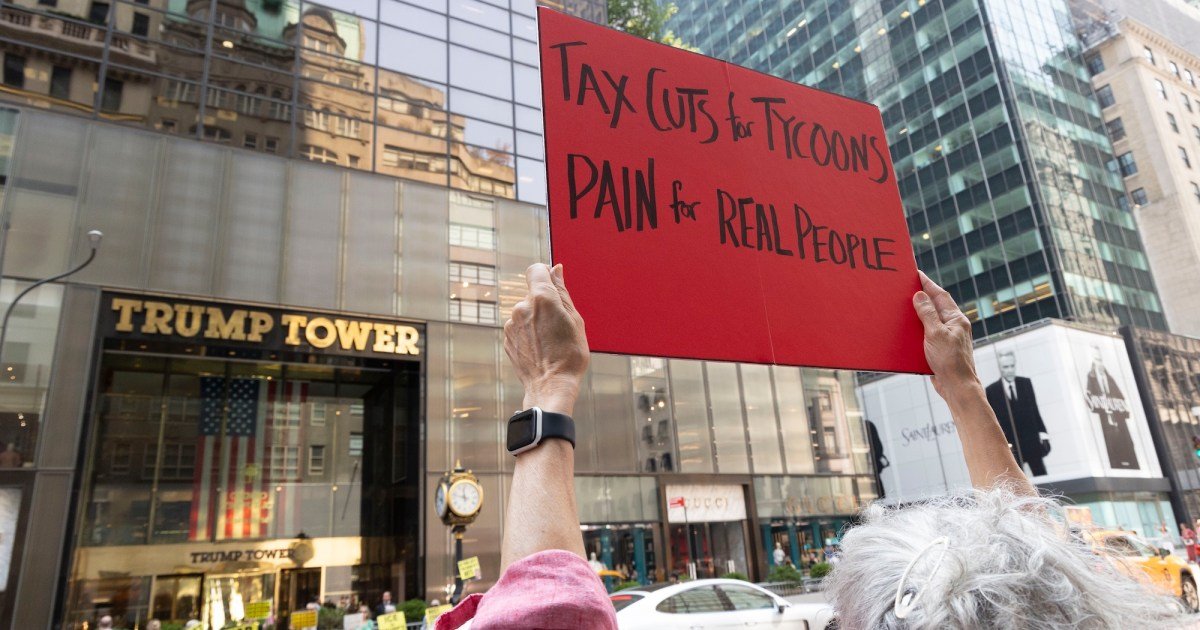
Medicaid work requirements do nothing to meaningfully increase work. Gina M Randazzo/Zuma
On Friday, Nebraska became the first state to enact Medicaid work requirements, mandatory for states with Medicaid expansion due to Trump’s One Big Beautiful Bill Act. Notably, the state did it seven months before the deadline.
Now, around 70,000 adults below the age of 65 in Nebraska who have Medicaid through its expansion could risk having their health insurance ripped away from them.
Medicaid work requirements do not increase employment. Instead, the administrative burden of work requirements only serves to kick people off this governmental health insurance. Additionally, a majority of people on Medicaid, who are not on Supplemental Security Income, work full or part-time jobs. This underlines how rhetoric around work requirements is just false.
The Center on Budget and Policy Priorities also highlighted that there is not enough time to implement what could be considered less cruel systems for Medicaid work requirements. The center called for work requirements to be pulled, “but short of that, states need more time to ensure their policies, systems, and staffing plans are in place to minimize the number of eligible people whose health care is taken away.” This also highlights the cruelty of Nebraska’s implementation of work requirements before the January 1, 2027 deadline.
Especially because an interim rule from the Health and Human Services Secretary Robert F. Kennedy Jr. is not even due until June 1. I previously raised concerns about what an interim rule could look like from Kennedy:
A person with debilitating chronic pain, or a serious autoimmune illness, may appear “able-bodied” by the standards RFK Jr. appears poised to implement—even as they face hurdles in qualifying for Social Security disability due to not being considered disabled enough. HHS declined to answer a series of questions for this article, instead offering a general statement that the agency “remains committed to protecting and strengthening Medicaid for those who rely on it…while eliminating waste, fraud, and abuse.”
There are some exemptions to Medicaid work requirements, including for people with chronic illnesses and pregnant people. According to Nebraska’s Department of Health and Human Services’ website, the state will be considering work requirement exemptions during checks every six months. There is a list of conditions for people on Medicaid that qualify for people with exemptions, but understandably, not every serious health issue is on there. Notably absent is Long Covid, a post-infectious disease caused by a Covid infection that can very much impact someone’s ability to work.
“I don’t see how any state could protect people with disabilities from these kinds of cuts,” Georgetown University professor Edwin Park told me last year before Republicans voted to enact Medicaid work requirements and nearly $1 trillion worth of Medicaid cuts.
Now, it’s a waiting game to see how draconian Medicaid work requirements roll out throughout the country.



