
Gold’s surge to record highs isn’t just boosting investor portfolios (1). It is helping to turn the metal into a form of everyday money you can use to pay for everyday goods and services.
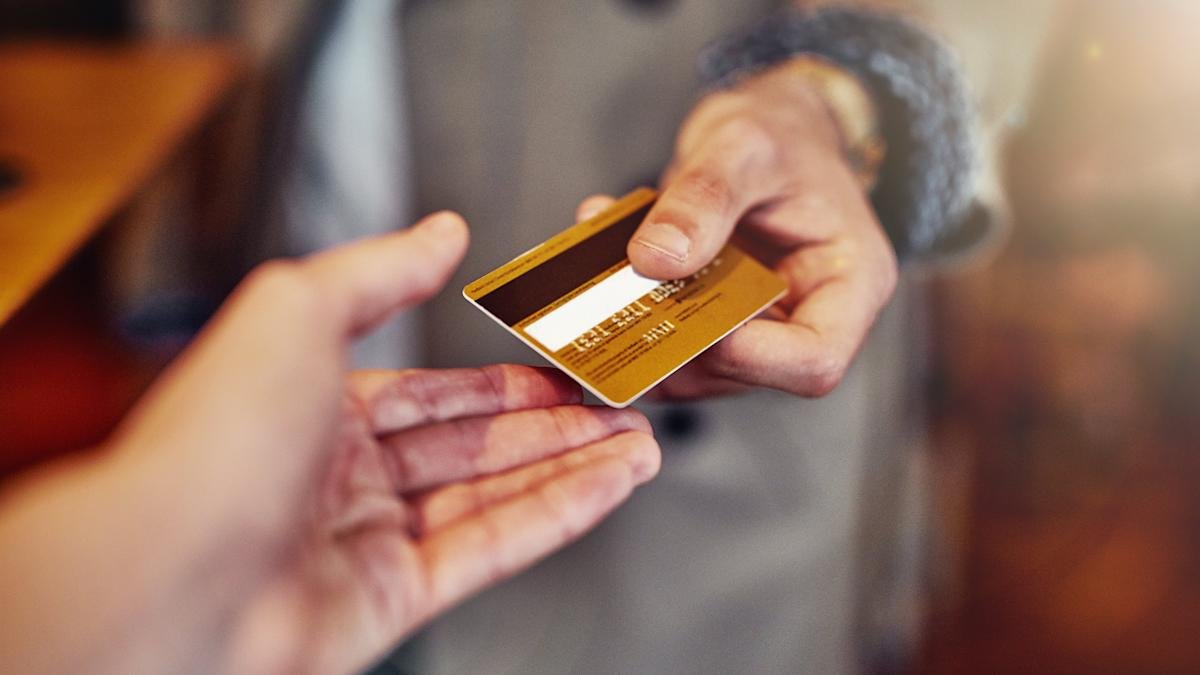
Technology now allows consumers to spend gold with a debit card, converting small amounts into cash at the point of purchase. The concept isn’t new, but as inflation continues to bite and the value of gold rockets, state legislatures and a growing group of fintech platforms are increasingly throwing their weight behind it (2).
The pitch is simple: while rising prices erode the value of traditional money, gold, which has long been viewed as a hedge against inflation, keeps up and even grows in worth.
But not everyone is convinced that gold-backed payment systems are a good thing. Critics question who benefits and warn that fees, taxes and other frictions could limit their appeal.
Gold-backed debit cards allow users to spend gold as if it were cash.
Instead of holding a balance in dollars, users hold physical gold — typically stored in secure vaults. When they make a purchase, a small portion of that gold is instantly sold and converted into currency to complete the transaction.
Companies like Glint have been at the forefront of this model, issuing prepaid debit cards backed by gold stored in Swiss vaults (3). Users fund their accounts in traditional currency, which is then converted into gold they legally own.
This isn’t a new thing. Gold-backed payment systems have existed for years. However, interest in them is now really starting to build, thanks to gold’s soaring value and enduring reputation as a hedge against inflation and a safe haven in uncertain times.
Unlike cash sitting in a bank account, which can lose value as prices rise, gold has historically maintained and often increased its purchasing power over time. With inflation reshaping how consumers think about money, that distinction is resonating more strongly.
For example, $1,000 in cash from 2020 would be worth about $780 in today’s dollars, meaning it has lost roughly a fifth of its value to inflation (4). By contrast, $1,000 invested in gold at the start of 2020 would be worth roughly $1,800 to $2,000 today, depending on the exact timing of purchase and sale (5).



